International Crisis Group analyst Riccardo Fabiani warned that Morocco felt emboldened by Washington after 70,000 people entered Ceuta in July, while Prime Minister Pedro Sánchez told Spain's parliament no solid evidence showed Rabat planned the crossings.
Speaking to The Guardian on August 6, barely a week after the mass arrivals on July 30 and July 31, Fabiani, who directs the North Africa project at the conflict-prevention and policy research organization, pointed to ties between Rabat and the White House. He said Morocco felt emboldened and had an administration in Washington willing to back it, raising the question of how heavily that political support weighed on Moroccan conduct during a crisis on the Spanish border.
Fabiani suggested that the closeness between Moroccan King Mohammed VI and United States President Donald Trump could influence Rabat's response. However, the analyst expressly left open the question of whether there had been any coordination between Morocco and Washington.
One month later, appearing before the Congress of Deputies, the lower house of Spain's parliament, Sánchez gave a specific benchmark on the state of the official inquiries. The prime minister told lawmakers that as of September 3, no agency had provided the Spanish government with solid evidence that Morocco had planned or carried out the episode.
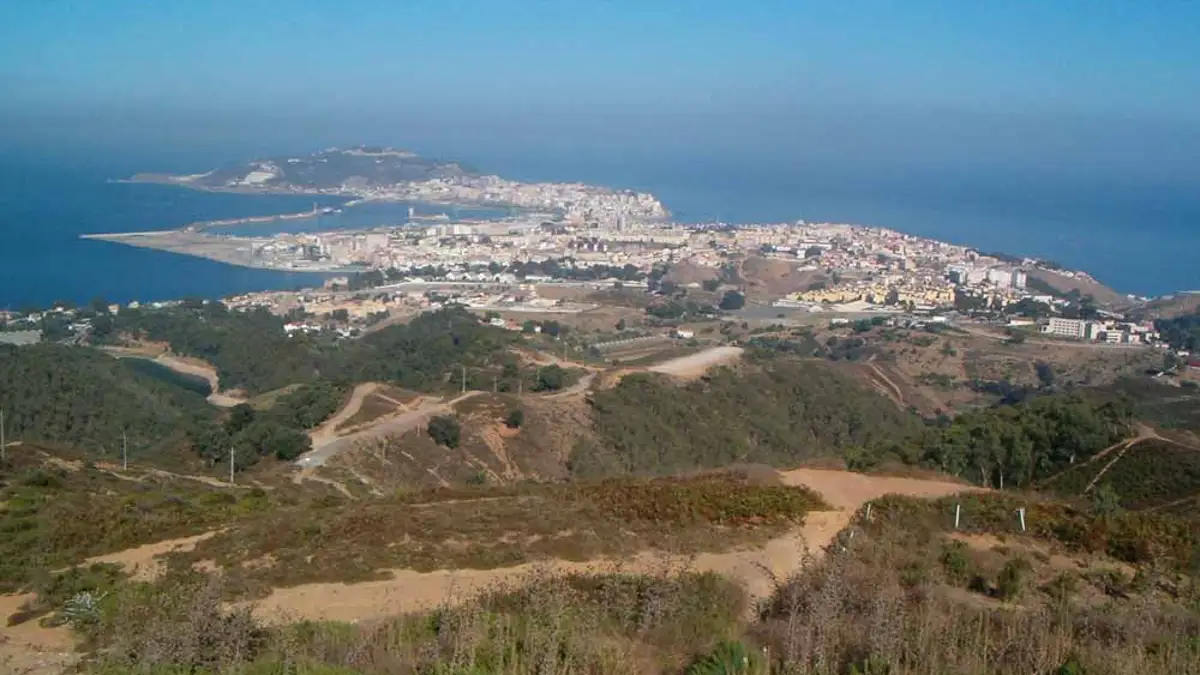
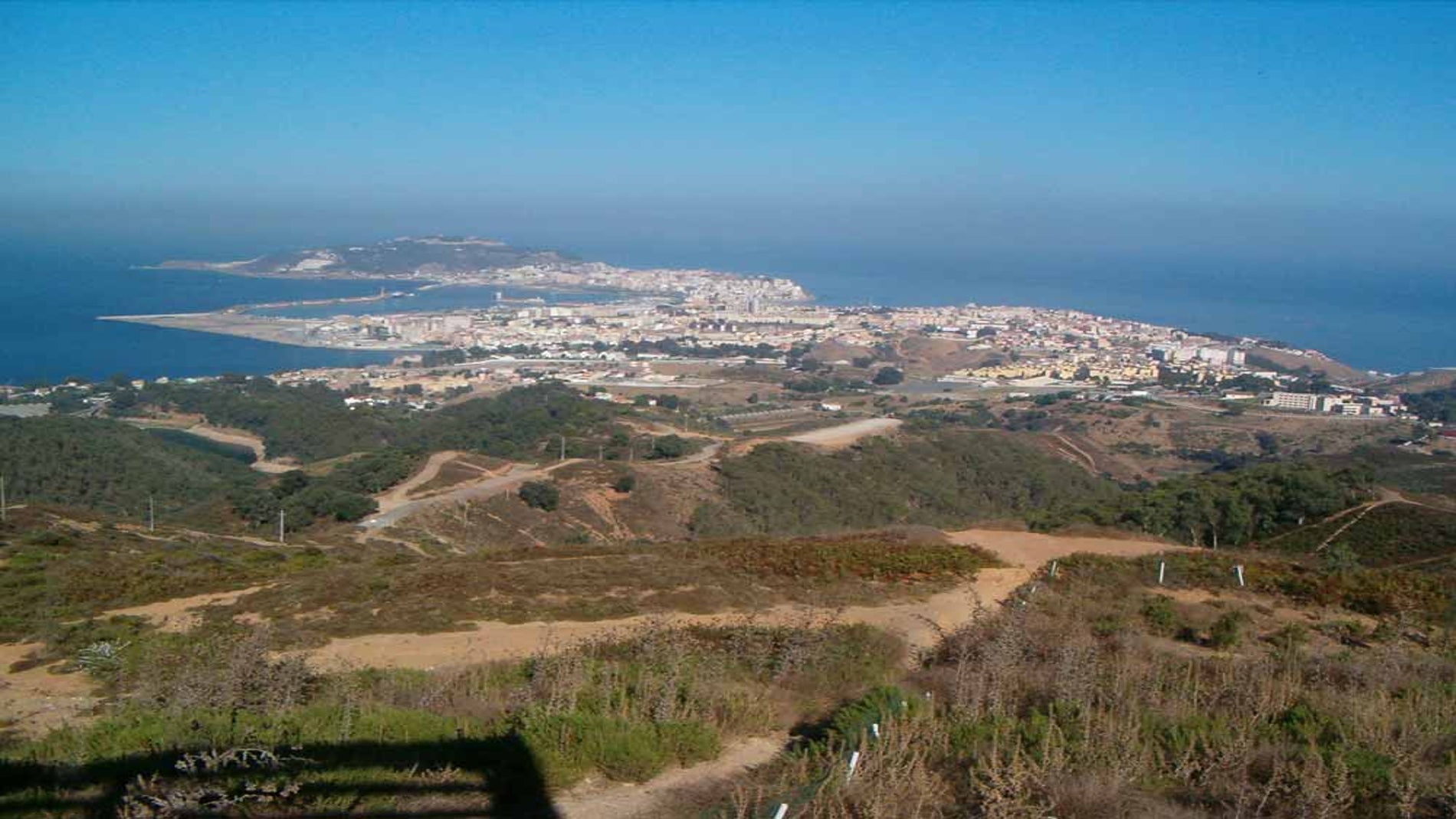
That distinction between diplomatic confidence and direct orchestration was central to assessing what happened in Ceuta on July 30 and July 31. Sánchez put the number of people who arrived in the city in a matter of hours at around 70,000. He explained to parliament that attempts to enter by swimming had increased in the preceding weeks, but after the executive reviewed warnings and communications from the days before the crisis, none of the reports received had anticipated an influx of that magnitude.
US backing for Morocco and Western Sahara ties
Fabiani placed Rabat's outlook within a relationship with the United States that had grown closer during Trump's first presidential term. In December 2020, the United States recognized the sovereignty that Morocco claims over Western Sahara, a decision that coincided with Rabat's diplomatic rapprochement with Israel.
Western Sahara is a disputed territory in northwest Africa that sits at the center of Moroccan foreign policy. According to Fabiani's analysis, the December 2020 precedent gave King Mohammed VI clear reasons to cultivate continued support from the United States on a core national priority.
That American recognition, however, applied specifically to Western Sahara rather than to Spanish territory. Ceuta is a Spanish autonomous city on the north coast of Africa bordering Morocco, meaning its legal and diplomatic status differs fundamentally from that of Western Sahara.
Spanish trade with Morocco and regional rivalry
Morocco's relationship with Washington does not represent the entirety of Rabat's strategic and economic interests. Spain was Morocco's leading customer and leading supplier in 2024, according to the Spanish Ministry of Foreign Affairs, with bilateral merchandise trade reaching 22,693 million euros.
At the same time, Morocco's regional rivalry with Algeria continues to shape Rabat's position on Western Sahara and its broader foreign relations. Within that web of economic and diplomatic ties, what an external ally is prepared to support in one territory does not make it possible to anticipate how that partner will respond to a crisis in another.
Supreme Court rumor and border crossing triggers
In his account to parliament, Sánchez identified the spread of a misreading of a Spanish Supreme Court ruling regarding entries by sea as one of the triggers for the July crossings. According to the prime minister, messages misinterpreting the judicial decision circulated widely on social media.
Sánchez added that some individuals took advantage of the situation to sell equipment and assistance for the sea crossing into Ceuta. While that explanation addressed the rapid spread of a rumor among people attempting the passage, answering what decisions were taken on each side of the Ceuta border during those hours requires data of a different nature.
National security declaration and European Union funding
The institutional measures adopted after the July arrivals left a clear public record. On August 25, Spain's Council of Ministers, the collective decision-making body of the Spanish cabinet, declared a situation of national security interest in Ceuta.
On September 9, the European Commission, the executive branch of the European Union in Brussels, announced an allocation of 114.7 million euros to Spain along with additional operational assistance in Ceuta. The political debate over Morocco's regional weight thus carried an immediate practical dimension for local residents: how to sustain reception facilities and municipal services in a city that had received tens of thousands of people in hours.
The chronology frames both Fabiani's assessment and Madrid's findings. In August, Fabiani described the room for maneuver that, in his view, Rabat believed it enjoyed thanks to Washington, while in September the Spanish government detailed what it had been able to document regarding the border entries. Between those two statements, a central question remained unresolved by either source: who made each decision while the social media rumor spread, and what instructions, if any, came from outside.
Test yourself
How many people arrived in Ceuta during the mass crossings on July 30 and July 31, according to Prime Minister Pedro Sánchez?
How much funding did the European Commission announce for Spain on September 9 alongside additional operational assistance in Ceuta?
What did Pedro Sánchez identify as one of the triggers for the July crossings into Ceuta?
Have your say
How should Spain and the European Union prioritize their response to border pressures in Ceuta?
Where it happened
Ceuta, Spain