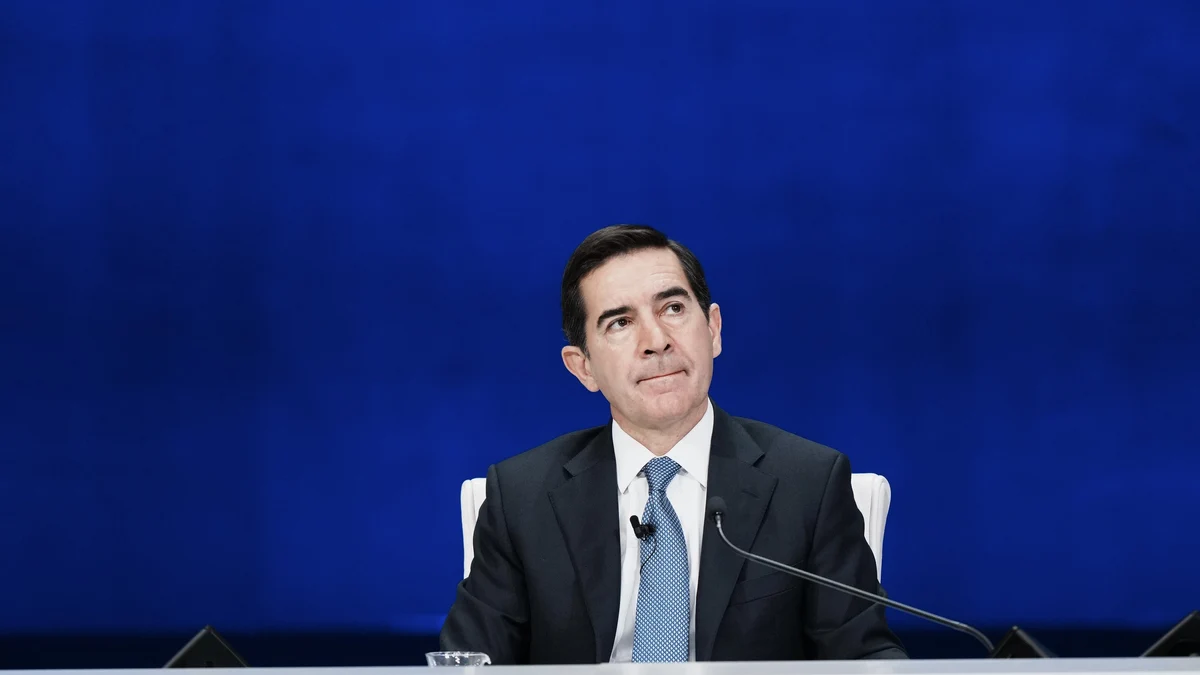
Spain's Ministry of Transport and Sustainable Mobility, now led by Carlos Cuerpo, has set minimum service levels for a nationwide strike at state rail operator Renfe scheduled for Tuesday, November 17. Commuter trains will run at between 50% and 75% of normal capacity depending on the time of day, while high-speed and long-distance services will operate at 72%.
Workers across the entire Renfe group have been called to strike by the company's general works committee, which groups the Semaf train drivers' union, the CCOO and UGT federations, SFF-CGT, the Sindicato Ferroviario and Alternativa Ferroviaria (Alferro). The unions are demanding greater safety on the network following the accidents at Adamuz, in the province of Cordoba, and Urda, in the province of Toledo, which together killed 115 people.
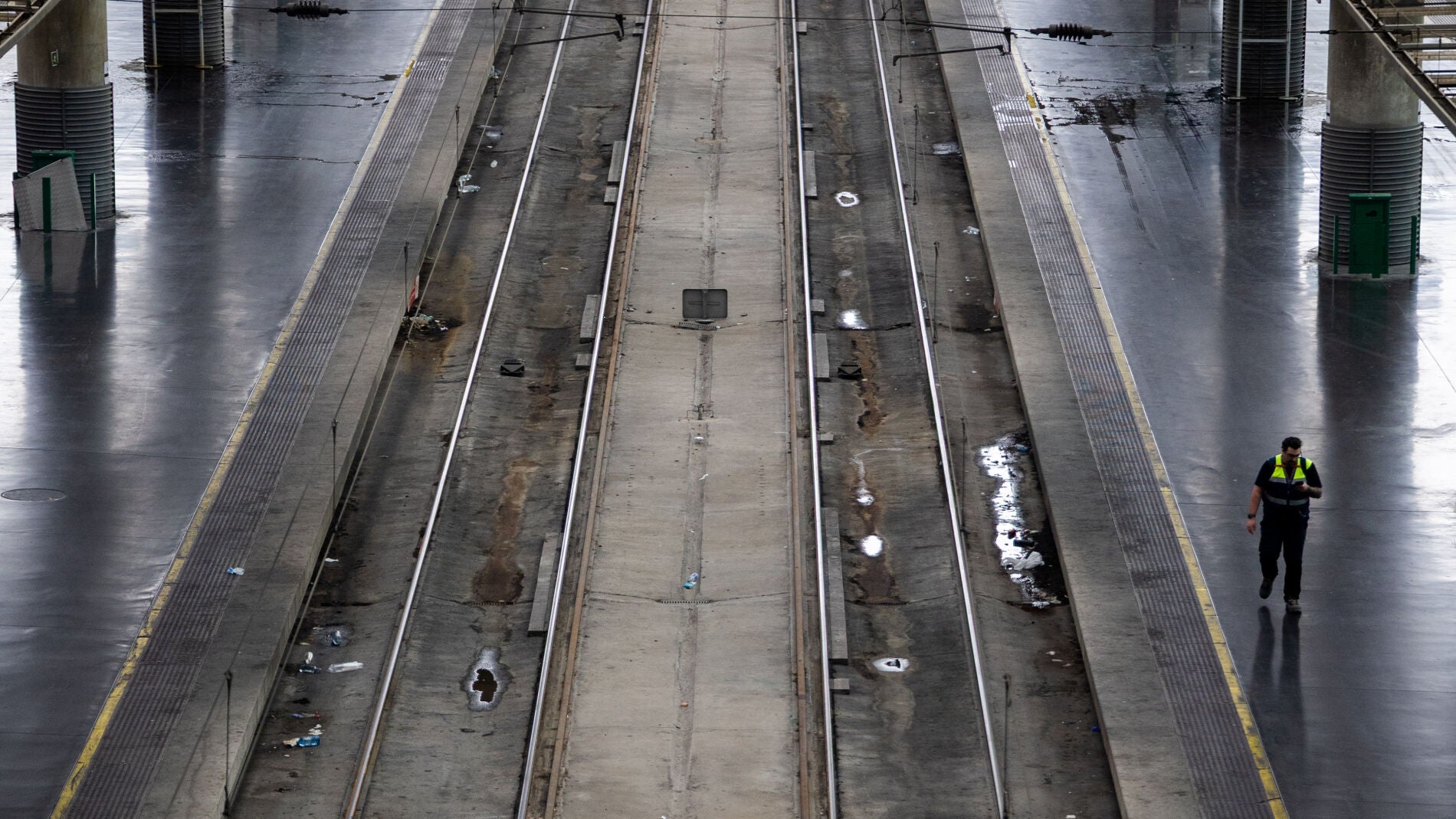
Minimum services by route
Renfe said in a statement that minimum service on Cercanias commuter lines would be 75% during peak hours, defined as 6am to 9am, 1.30pm to 3.30pm and 6.30pm to 8.30pm. Outside those windows, 50% of the usual number of trains will run for the rest of the day.
On Media Distancia regional routes, the company guaranteed an average of 65% of services. High-speed AVE and long-distance trains will run at 72% of their normal schedule. Freight transport will be the most affected, with minimum services set at just 26% of planned operations.
Why workers are striking
The stoppage is a direct response to the two fatal accidents at Adamuz and Urda, which the unions say exposed serious safety failings on Spain's rail network. The general works committee is using the strike to press Renfe and the government for concrete improvements to prevent further loss of life.
Renfe is Spain's state-owned national railway company, operating the country's commuter, regional, long-distance and high-speed AVE services, as well as freight. It answers to the Ministry of Transport and Sustainable Mobility, the government department responsible for setting transport policy and, in the case of a strike affecting an essential public service, for fixing the minimum levels of service that must be maintained.
What Renfe says
Renfe said in its statement that it regretted in advance any inconvenience the strike might cause to passengers. The company did not give further detail on how it planned to manage the reduced timetable beyond the published percentages for each type of service.
The strike is due to go ahead across the whole of Spain on November 17, affecting Cercanias commuter lines, Media Distancia regional trains, AVE and long-distance high-speed services, and freight transport, under the minimum service levels set by the ministry.
What happens next
The strike is due to take place across Spain on Tuesday, November 17, under the minimum service levels set by the ministry.
Test yourself
What minimum service level was set for Renfe's high-speed and long-distance trains?
What is the strike demanding, according to the unions?
What triggered the unions' safety demands?