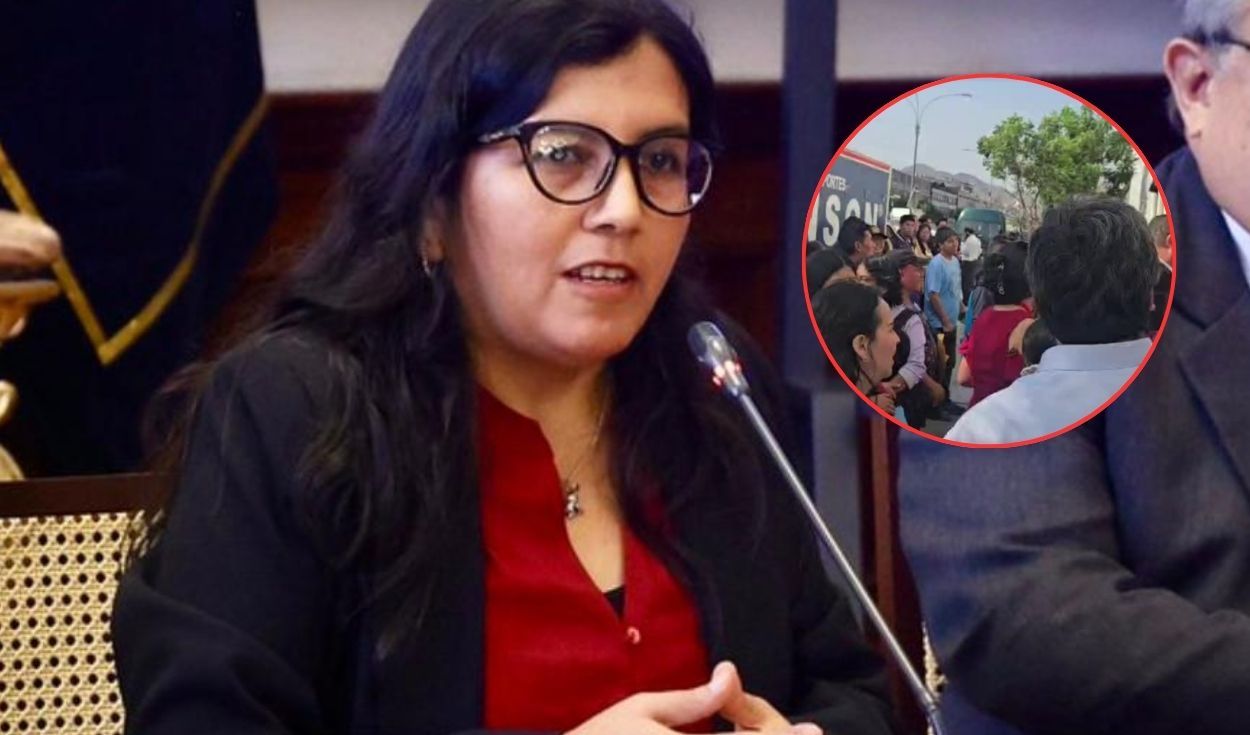
About a dozen citizens protested outside the Santos Atahualpa building of Peru's Congress on Tuesday after being barred from entering a public hearing held by the Constitution Commission.
The demonstrators stated that they had been invited to the public hearing by several political groups, including the Fuerza Popular party. However, congressional staff informed them upon arrival that the meeting room had already exceeded its official capacity limit. In response to the restriction, the protesters demanded to be allowed inside to participate, with one citizen stating that they had traveled to the building only to be kept standing outside.
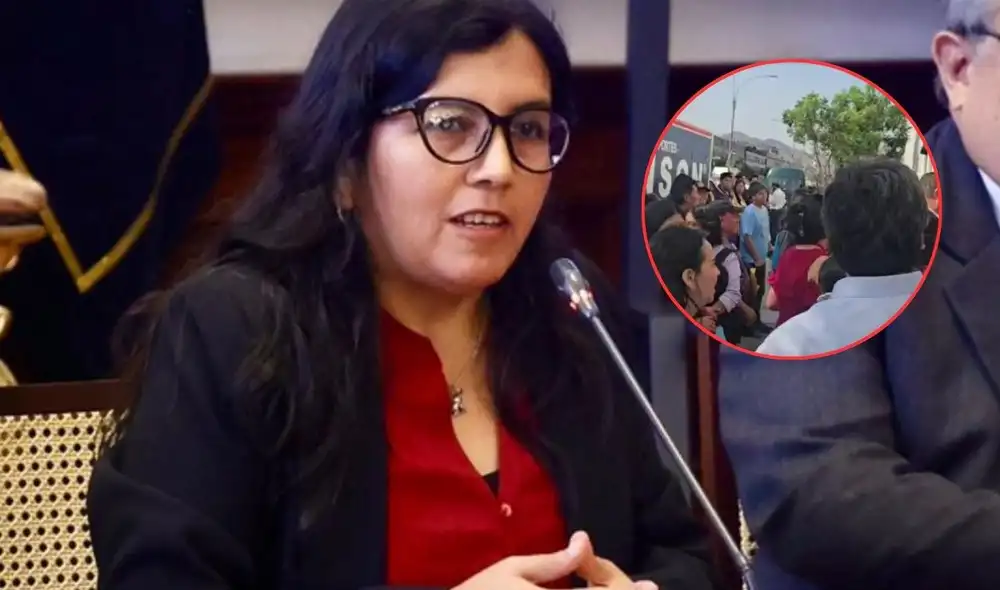
Protest outside congressional building
The public hearing began a few minutes after its scheduled start time of 3:30 p.m., presided over by congresswoman Gianina Avendaño of the Juntos por el Perú coalition, who serves as president of the Constitution Commission. Avendaño arrived at the venue 30 minutes late for the session.
The executive board of the committee also features secretary Heber López, representing the Obras parliamentary group, and vice president Fernando García of the Partido del Buen Gobierno.
Upon her arrival at the Santos Atahualpa building, Avendaño greeted representatives from various political organizations who were present for the hearing. The attendees included Roxana Rocha and Frank Krklec of Renovación Popular, Rossana Alayza of Buen Gobierno, and Jaime Abensur of Fuerza Popular.
Panels on security, environment and labor
The Congress of the Republic of Peru is the country's unicameral legislative body, headquartered in the capital city of Lima. Auxiliary legislative facilities such as the Santos Atahualpa building host parliamentary committee sessions, working groups, and public hearings designed to facilitate citizen involvement in legislative debates.
The Constitution Commission, formally known as the Commission on Constitution and Regulation, is one of the primary standing committees in the Peruvian parliament. It is tasked with evaluating constitutional amendments, legal reform initiatives, civil rights policies, and executive branch requests for delegated legislative authority.
Tuesday's public hearing was divided into three structured panels. The first panel was organized to analyze legislative requests regarding indigenous rights and environmental policy. The second panel addressed human rights and public safety, while the third panel focused on labor policy.