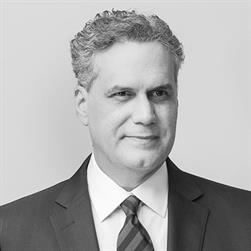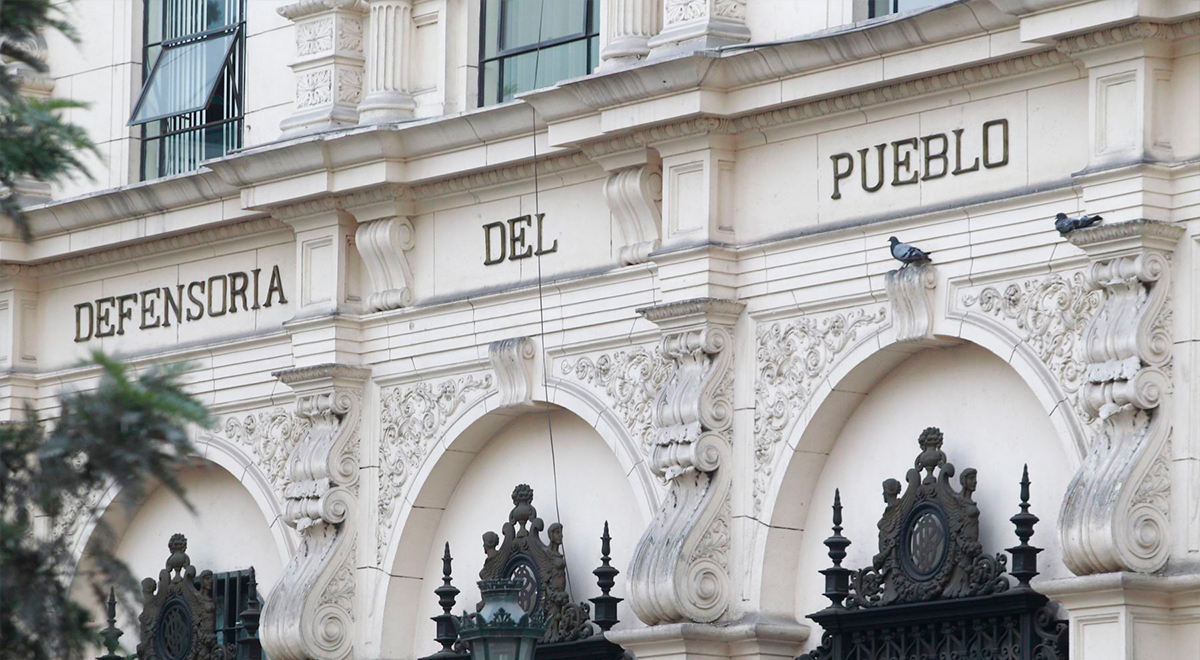
Peru's Defensoria del Pueblo, the country's national ombudsman office, marked its 30th anniversary this month, an occasion clouded by prosecutorial investigations and public criticism of its current leadership, according to a column by lawyer and columnist Pedro Grandez Castro. The institution opened its doors on September 11, 1996, under its first ombudsman, Jorge Santistevan de Noriega.
The Defensoria del Pueblo is an autonomous constitutional body tasked with defending citizens' fundamental rights and overseeing the proper functioning of the state and public services. Grandez noted that Peru's 1993 Constitution devotes only two of its 206 articles to the office, and that it was created amid widespread institutional skepticism before quickly winning public trust under Santistevan de Noriega.
Santistevan de Noriega took office in March 1996 and served until 2000, years marked by resistance to then-President Alberto Fujimori's attempt to secure a third, unconstitutional re-election, which Santistevan repeatedly described as a built-in flaw of the electoral process. Grandez wrote that Santistevan often argued citizens stood above politics, and that public officials owed their legitimacy to attending to the priorities of the most vulnerable.
Legal Battles That Defined the Early Years
To lead the office's Constitutional Affairs division, Santistevan de Noriega recruited Samuel Abad Yupanqui, who held the post from 1996 to 2005 and turned the Defensoria into a leading constitutional litigant. Under Abad's direction, the office challenged Article 337 of the Civil Code, which had left it to judges' discretion, based on the education and customs of spouses, to decide whether cruelty or dishonorable conduct justified a divorce.
The Constitutional Tribunal, in Case File 018-96-I/TC, ruled in favor of the claim, striking down a 19th-century provision that had made protection from spousal abuse dependent on a victim's social class. The same division also fought Peru's forced-conscription law, a practice dating to the 19th century that was challenged through successive constitutional actions until the 2008 Military Service Law ended the forced recruitment of sons from the poorest families.
A Line of Ombudsmen
Santistevan de Noriega was followed by a period of interim leadership under Walter Alban, from 2000 to 2005, who maintained the office's standing and expanded its presence nationwide. Beatriz Merino then became the first woman to hold the post, serving from 2005 to 2011. Grandez recalled how Merino described the office's work with victims of Peru's internal armed conflict, saying a people without memory is a people without destiny. Under her leadership, commissioners were sent to hundreds of remote districts to reach some of the poorest communities, many of which did not know the ombudsman's office existed.
Eduardo Vega led the Defensoria from 2011 to 2016, strengthening its work on behalf of vulnerable groups and pushing for the passage of Law 30470, which created a state policy for the humanitarian search and recovery of the more than 20,000 people who disappeared in Peru between 1980 and 2000. Walter Gutierrez then served from 2016 to 2022. Grandez wrote that while Gutierrez did not match his predecessors' focus on indigenous communities and other vulnerable groups, he kept up the office's core role of denouncing abuses, including in November 2020, when the Defensoria firmly condemned the disproportionate use of force that helped bring down the short-lived government of Manuel Merino, who had briefly become interim president after Congress removed his predecessor.
Current Leadership Under Fire
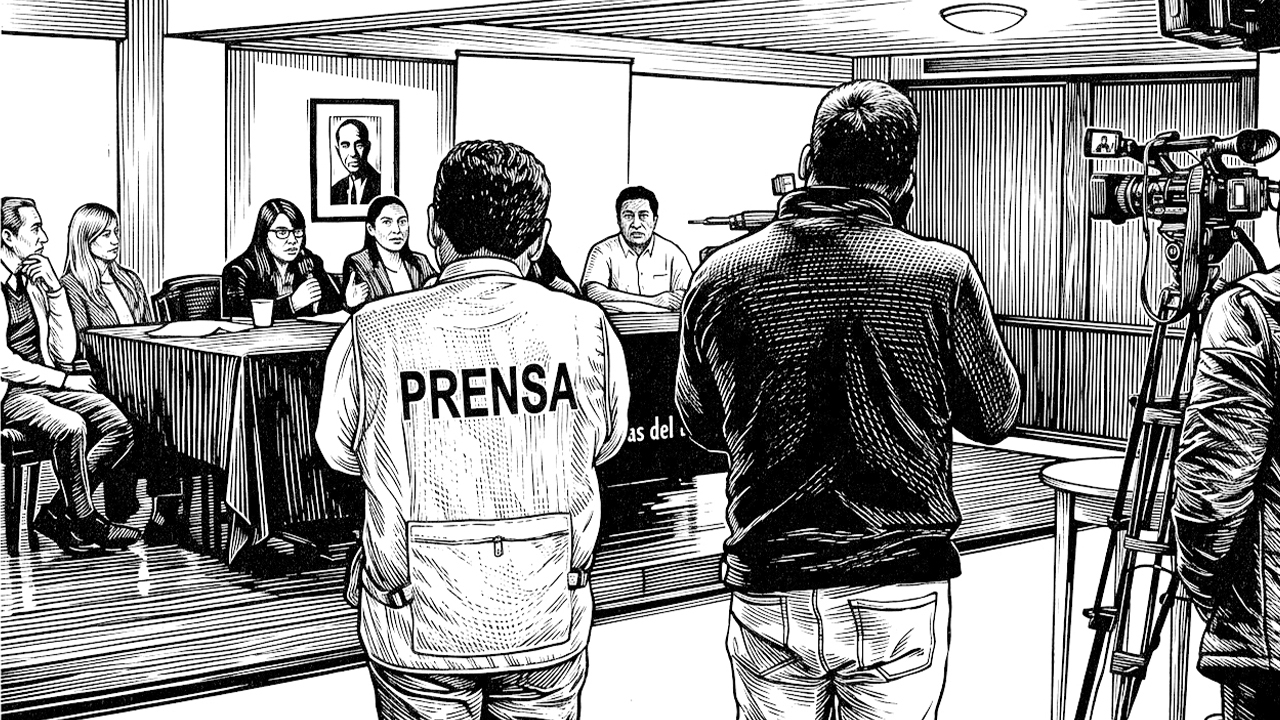
Grandez argued that thirty years of this history would merit a triumphant celebration, but that the solemn September 11 session could not be read apart from the record of the current leadership. He said today's Defensoria faces prosecutorial investigations over alleged favoritism in hiring and promotions, and that it has brought a constitutional challenge against Peru's asset forfeiture law, a law that the judiciary's own specialized subsystem had warned would benefit organized crime structures.
The current ombudsman also had to apologize before Congress after suggesting, in a radio interview, that the president's popularity would rise if she followed her father's example and moved to shut down Congress, Grandez wrote.
According to Grandez, the erosion of the Defensoria's public image is not new. Last year, three former ombudsmen, Walter Alban, Eduardo Vega and Eliana Revollar, met to mark the institution's anniversary and remember Santistevan de Noriega. Revollar later said the group had asked what Santistevan would have made of today's Defensoria, and that all three agreed they could no longer stay silent while watching the credibility of an institution they had helped build come apart.
President's Remarks Spark Criticism
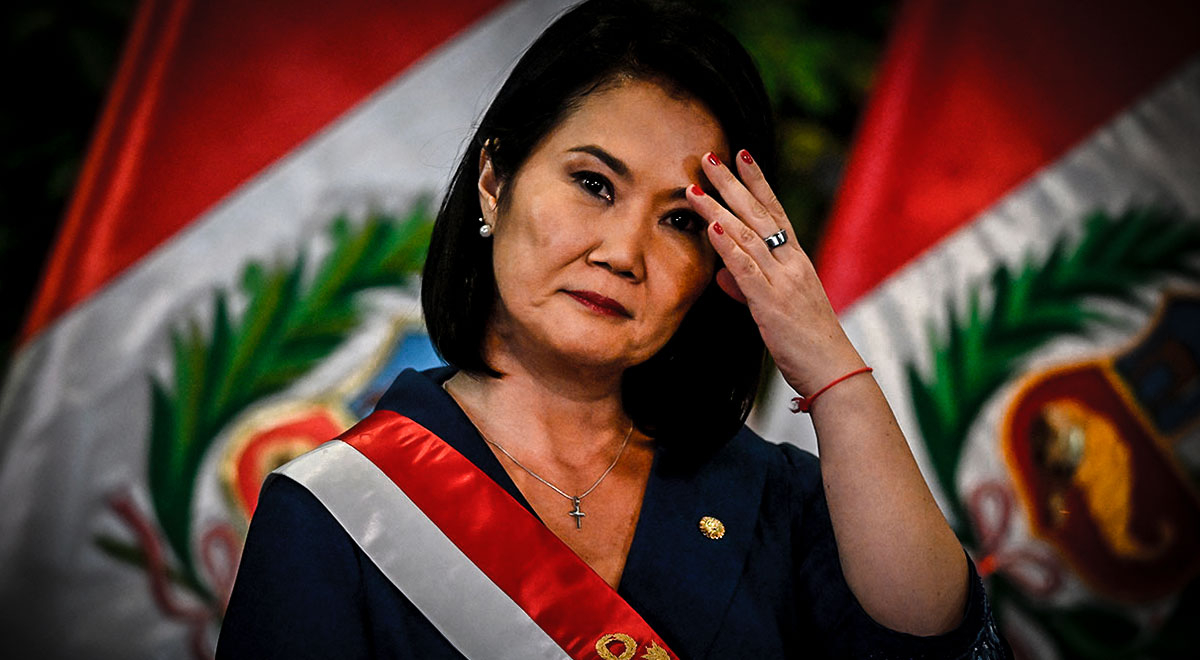
It was against this backdrop, with the constitutional complaint against the current ombudsman still fresh, that President Keiko Fujimori attended the September 11 ceremony and praised the institution's independence and its contribution to strengthening democracy, Grandez wrote. He said some editorial writers had called the remarks a further misstep, pointing to a disconnect between the president and public concern over an ombudsman accused of currying favor with the very power the office is meant to oversee, while serving interests that remain unclear but are far removed from the people the institution was created to serve.