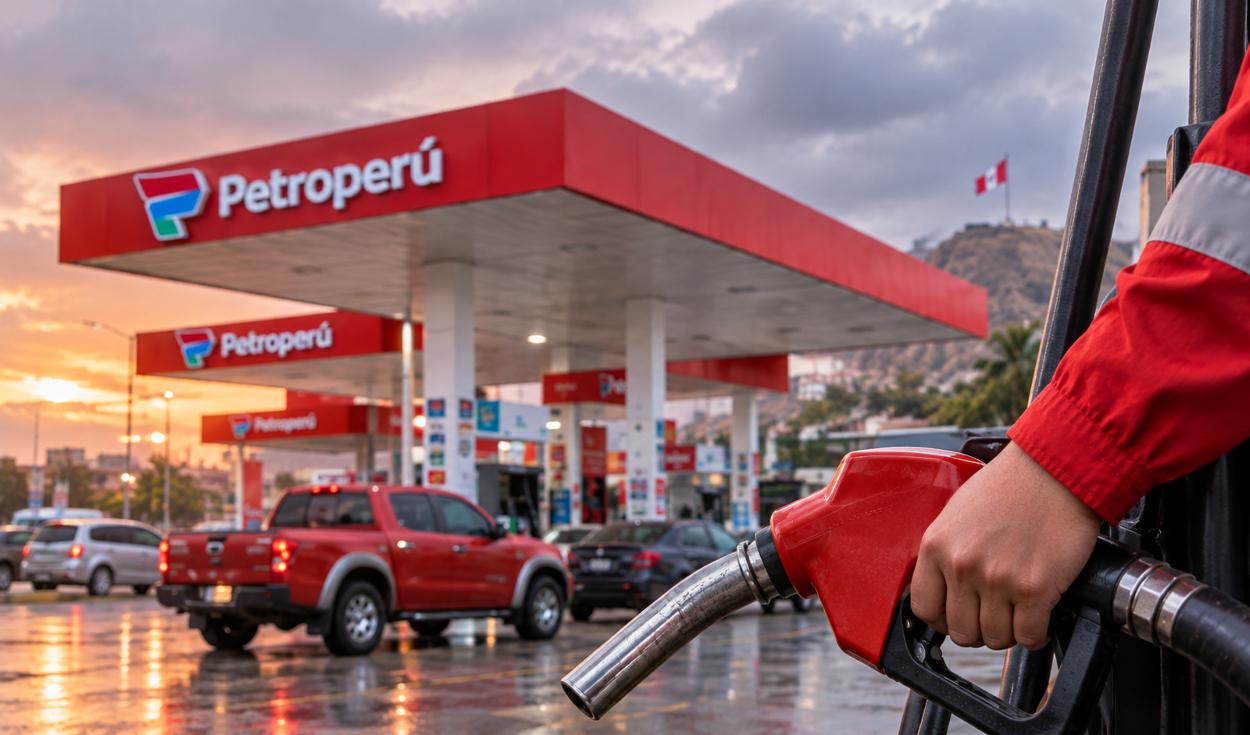
Peruvian oil workers are demanding that the government strengthen the operational and financial capacity of state oil company Petroperú to guarantee supplies of diesel, gasoline and liquefied petroleum gas (LPG) during the 2026-2027 El Niño weather phenomenon, warning that heavy rains, landslides and flooding could cut off the country's main transport routes.
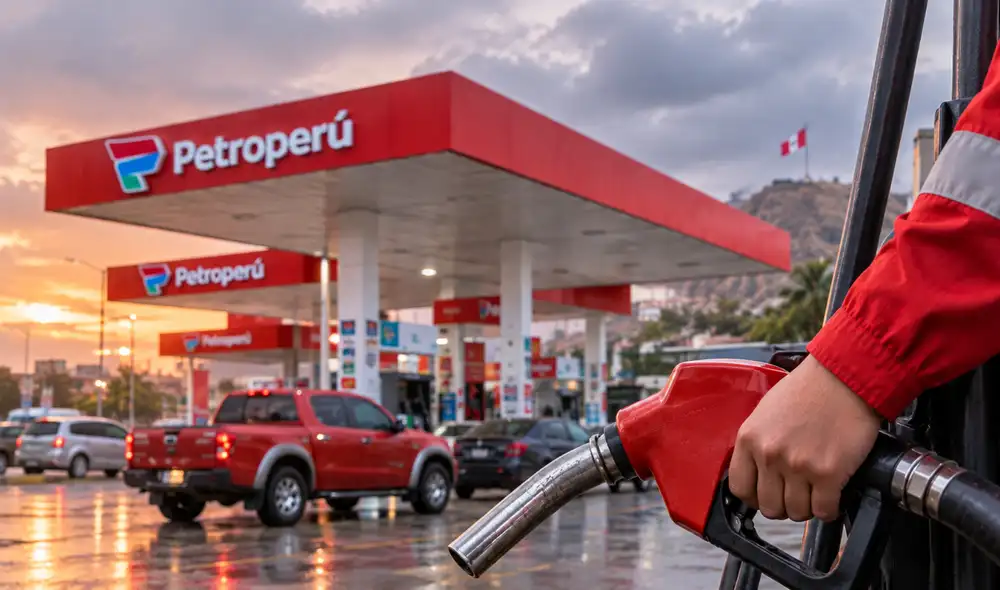
The warning from the Federación Nacional de Trabajadores Petroleros, Energía y Afines del Perú (Fenpetrol), Peru's national federation of oil and energy workers, follows a declaration by the Ministry of Energy and Mines (Minem) placing hydrocarbon activities tied to national fuel supply under a state of emergency for up to eight months.
The declaration, issued through Ministerial Resolution No. 490-2026-MINEM/DM, instructed energy regulator Osinergmin to evaluate and set transitional measures to preserve fuel supply. Fenpetrol said the declaration needs to be backed by concrete decisions on the role Petroperú will play during the emergency.
Why diesel and LPG supplies are at risk
The federation said the risk goes beyond potential shortages at filling stations. When floods and landslides cut off towns, households that rely on LPG for cooking can run out of gas, while diesel becomes essential for moving food, running ambulances and operating machinery in affected areas.
Fenpetrol argued that Peru needs to get ahead of these logistical problems and build response capacity before rains cut off roads, rather than reacting once a crisis has already begun.
Calls for Talara refinery and storage to join contingency plan
The federation wants the New Talara Refinery, along with Petroperú's sales plants, terminals and storage infrastructure, to be included in the national contingency plan. It is calling for the state oil company to have management autonomy and access to financing on market terms, plus the working capital needed to buy crude, maintain its facilities and get fuel dispatches ready in advance, without relying on fresh transfers from the national Treasury.
According to Emergency Decree No. 003-2026, Petroperú held more than 75% market share in the fuel markets of Loreto, Ucayali and Madre de Dios as of March this year. These are regions where distribution depends on complex logistics and where blocked routes can threaten supply to remote communities. Petroperú also supplies fuel to the armed forces, whose deployment can be necessary for evacuations and delivering humanitarian aid.
The Camisea gas disruption as a warning sign
A crisis in March this year, when natural gas transport from the Camisea gas field was interrupted, exposed the vulnerability of Peru's energy system. Reduced availability of natural gas for vehicles pushed up demand for other fuels and raised concerns about supply and prices for LPG, gasohol and diesel.
At the time, Carlos Puente, director of the Asociación de Grifos y Estaciones de Servicio del Perú, the association representing Peru's filling stations, warned of the impact on the market and asked the government to back Petroperú. The company said it had increased the number of tanker trucks reaching its sales plants and was supplying diesel to a cold reserve plant in the electrical system.
Oil workers say that episode showed how a disruption at one point in the supply chain can quickly push pressure onto other fuels. With El Niño approaching, they argue Peru needs inventories distributed across different regions, alternative dispatch routes and resources ready to respond without waiting for a crisis to hit.
Workers oppose fragmenting Petroperú
Fenpetrol also asked the executive branch and Congress to push for the repeal of provisions in Emergency Decrees No. 010-2025 and No. 003-2026, which it says allow or facilitate the fragmentation of Petroperú. The first decree authorizes reorganizing the company through equity blocks and puts state investment promotion agency ProInversión in charge of that process.
The federation warned that separating or handing strategic assets to private operators could make it harder to coordinate refining, storage and distribution, right when the country needs to secure supply across its territory. It is demanding that the government define which localities will get priority during the emergency, what reserves will be available and which routes will be used if the main access roads are blocked.
Fenpetrol is calling on Petroperú to enter the rainy season prepared, with the financial and operational capacity to supply fuel even to areas that could become isolated.
What happens next
Osinergmin is tasked with evaluating and setting transitional measures to preserve fuel supply during the up to eight-month emergency declared by the Ministry of Energy and Mines.
Test yourself
What is Fenpetrol asking the Peruvian government to do?
What market share did Petroperú hold in Loreto, Ucayali and Madre de Dios as of March 2026?
What event in March 2026 raised concerns about fuel supply and prices?
Have your say
Should Peru prioritize strengthening Petroperú over reorganizing it during the El Niño emergency?
Where it happened
Lima, Peru