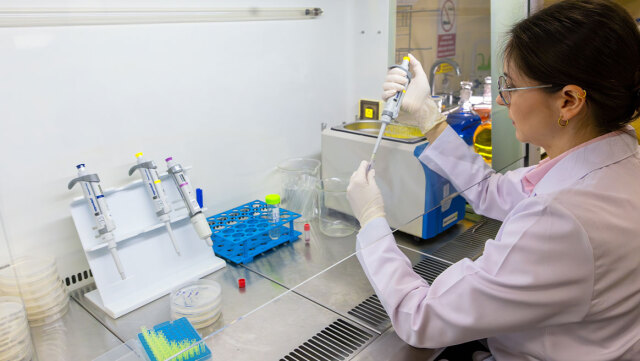
Biobanks, organised collections of biological samples such as blood and DNA linked to medical records, are becoming essential infrastructure for pharmaceutical research, biotechnology and precision medicine. Across Europe, investment in these facilities is accelerating, with smaller countries such as Cyprus seeking a role in an ecosystem that links scientific research, the pharmaceutical industry and technological innovation.
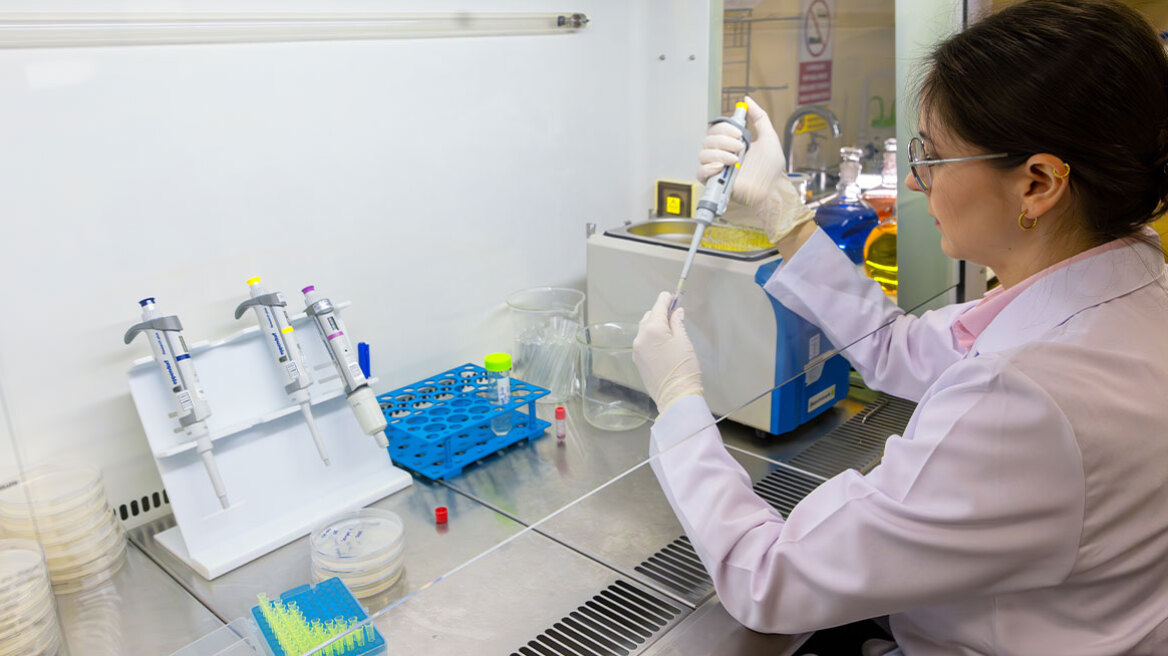
Developing a new drug can take years of research and huge investment with no guarantee of success, and one of the biggest obstacles is gathering reliable biological samples and information that let scientists understand how a disease works. Biobanks offer a way around that bottleneck, giving pharmaceutical companies access to genetic material and linked data for identifying therapeutic targets, biomarkers, and clues to why patients respond differently to treatment. Their value is especially high in research into rare diseases, where collecting enough samples is a challenge in itself, and the approach underpins precision medicine, which tailors prevention, diagnosis and treatment to a patient's genetic profile.
A Ten-Kilometre Head Start
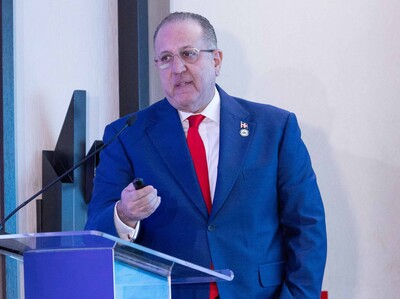
Dr Mariella Voutounou, a researcher at the Centre of Excellence biobank.cy at the University of Cyprus, said that when a doctor or scientist wants to begin research into a condition, it marks the start of a time-consuming marathon. Someone who already has an entire biobank and that wealth of information in their toolkit starts 10 kilometres ahead of everyone else, she said.
Europe's €45 Million Investment
The strategic importance of genetic data is reflected in the Genome of Europe programme, which aims to build a shared genetic reference base for European populations. It brings together 49 partners from 27 European countries with a total budget of €45 million, of which €20 million comes from the European Commission. The project's goal is to analyse at least 100,000 human genomes in order to map Europe's genetic diversity more precisely and support new diagnostic and therapeutic tools. Alongside it, the European Genomic Data Infrastructure initiative is building systems that let researchers analyse data from different countries under controlled access, without needing to centralise all the raw files in one place.
Cyprus Invests in the DNA Economy
Cyprus takes part in the European effort through the Centre of Excellence for Biobanking and Biomedical Research, biobank.cy, at the University of Cyprus. The biobank began operating in 2011, and its growth accelerated from 2019 with European, state and university funding. It now has more than 12,000 volunteers and about 123,000 biological samples, of which 17,000 have already been released for research use. The Centre says it has carried out 3,000 genome analyses, employs about 50 specialised staff, and had 14 research projects under way in 2026.
Katerina Strati, associate professor at the University of Cyprus's Department of Biological Sciences, said what had been missing was infrastructure, pointing to the importance of funding for the development of genomic research. The Cypriot population draws particular research interest because its genetic traits are not always well represented in international databases. Through the CYPROME programme, 1,446 Cypriots underwent whole exome sequencing, analysing the regions of DNA that code for proteins. Researchers identified 42 genetic variants with potential clinical use, affecting about 5% of participants, knowledge that could help build more targeted prevention and diagnosis strategies.
From Genetic Research to Drug Development
One example of the link between research and drug development comes from the study of a rare hereditary neuropathy. Dr Grigoris Papagrigoriou, chief scientist at biobank.cy, said the Centre systematically monitors patients with a specific genetic mutation, gathering data on how the disease progresses. The research identified a molecule with potential therapeutic action, which a pharmaceutical company has now taken on for further development. The company would now develop it as a drug, Papagrigoriou said, something that requires a great deal of experience and capital.
The activity has a Greek dimension too. The Greek Biobank Network, BBMRI.gr, coordinated by the Foundation for Biomedical Research of the Academy of Athens, takes part in the equivalent European infrastructure, BBMRI-ERIC. The Institute of Applied Biosciences at the Centre for Research and Technology Hellas in Thessaloniki also plays a significant role, with genetic analysis and molecular diagnostic capabilities.
A Market Worth Hundreds of Billions
Precision medicine is becoming one of the fastest-growing areas of healthcare. The US market research firm Grand View Research estimates the global market will reach $135 billion in 2026 and could exceed $400 billion by 2033. The shift toward personalised treatment is already visible in drug approvals: according to the Personalized Medicine Coalition, 38% of the new therapeutic molecular entities approved by the US Food and Drug Administration in 2024 were personalised medicines. The market spans everything from genetic diagnostic tests to targeted therapies, with biobanks forming a key part of its research infrastructure.

Funding and Data Protection
Taking part in this growing market requires significant investment. Biobank.cy's annual budget runs between €2 million and €2.5 million, according to Marina Konstantinou, the Centre's chief operating officer. To secure its long-term viability, the Centre is looking at partnerships with pharmaceutical companies, universities and other private bodies to fund further research and retain specialised staff.
Handling genetic data comes with strict conditions, since DNA holds sensitive information not just about the volunteers themselves but about their biological relatives. Georgia Charalambidou, who oversees ethical, legal and social issues at biobank.cy, said the first step is to give volunteers enough information; participants are told of their rights and sign a consent form before taking part. For biobanks, volunteers' trust is a precondition for developing both scientific research and partnerships with the pharmaceutical industry.

Test yourself
How many partners and countries make up the EU's Genome of Europe programme?
How many biological samples does Cyprus's biobank.cy hold?
What does Grand View Research estimate the global precision medicine market will be worth in 2026?
Have your say
Should pharmaceutical companies be given greater access to biobank genetic data to speed up drug development?
Where it happened
Nicosia, Cyprus