

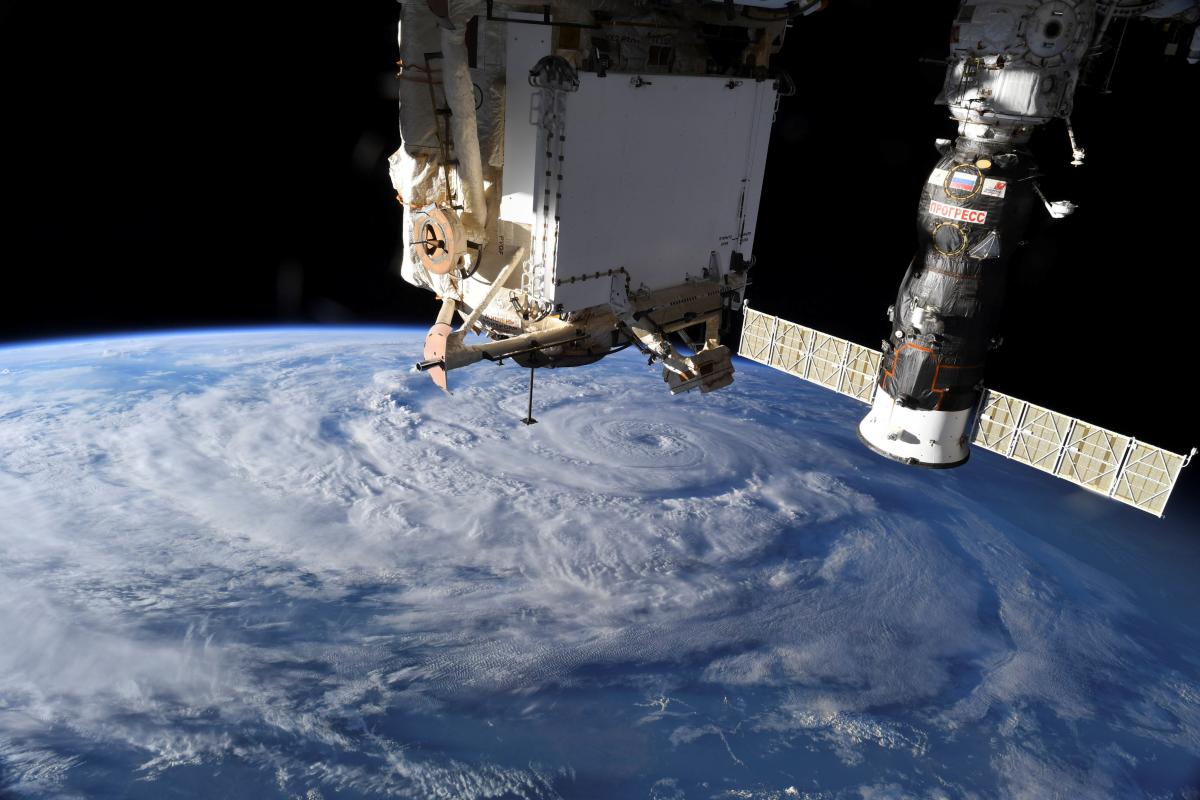
NASA has signed a contract with SpaceX to develop a spacecraft, based on the Cargo Dragon cargo vessel, that will bring the International Space Station back to Earth, according to Space Daily. The station was built in orbit between 1998 and 2000 and has been continuously occupied ever since.
The SpaceX vehicle will provide the final push to deorbit the ISS. Under the current plan, a controlled atmospheric entry is scheduled for late 2030, after the last crew leaves the station.
Why the station can't fall freely
At around 430 tonnes, the ISS is too large to be allowed to fall uncontrolled. Operators plan to direct the debris toward an uninhabited part of the southern Pacific Ocean, aiming for so-called Point Nemo, the location on Earth farthest from land. It sits roughly 2,688 kilometers from the nearest land in three directions: Ducie Island, Motu Nui and Maher Island in Antarctica.
The $843 million contract
In June 2024, NASA selected SpaceX under a fixed-price contract worth up to $843 million. The company will design and deliver the deorbit vehicle, which NASA will then own and operate; launch services are procured separately.
The craft is based on Cargo Dragon but will have an enlarged cargo trunk fitted with additional Draco engines. It is meant to dock with the station, help control its orientation, and finally carry out the orbit-shaping maneuvers for atmospheric entry.
According to the report, deorbiting the ISS is not the same as simply dropping it. The spacecraft only needs to change the station's speed enough for it to cross the atmosphere at the planned location and begin its fall; gravity does the rest.



