NASA has extended the Voyager 2 interplanetary station mission after executing a power-saving operation to keep its instruments operating for at least another year.
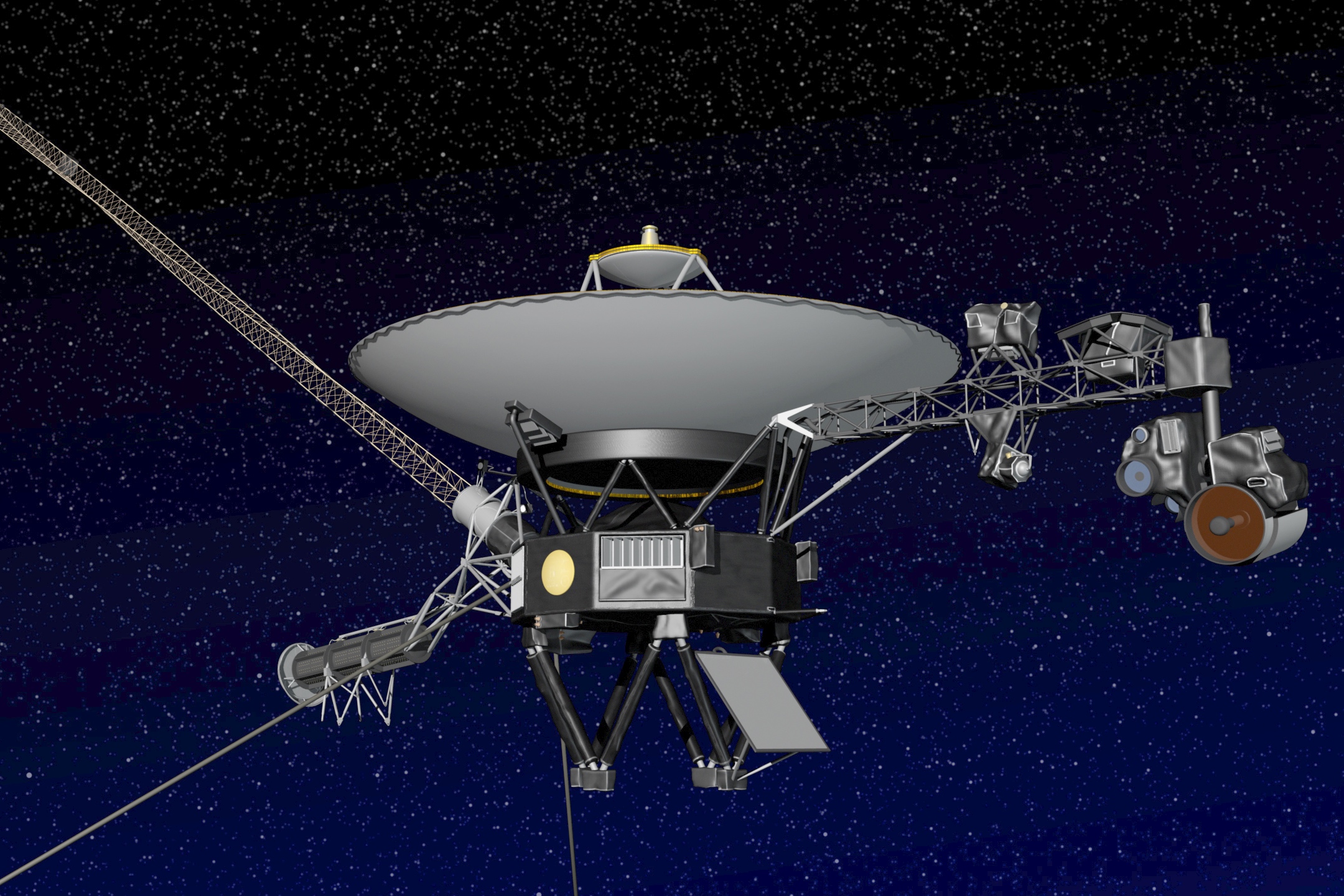
The space agency said the operation, named Big Bang, involved shutting down several power-intensive devices at the same time and replacing them with lower-power counterparts. Engineers also had to ensure the spacecraft maintained a temperature high enough to operate.
According to NASA, the power savings will allow three instruments on the station to function for at least one more year. Without the Big Bang operation, the agency said one of those instruments would have been shut down before the end of 2026. NASA plans to perform a similar procedure on Voyager 1.
Spacecraft history and equipment
In March 2025, NASA reported that scientific instruments on Voyager 1 and Voyager 2 were continuing to be turned off to reduce energy consumption on the active missions. In July, the ScienceAlert website reported, citing NASA, that Voyager 1 would reach a record distance from Earth in the autumn.
Voyager 1 and Voyager 2 are the only human-made objects to leave the Solar System. The spacecraft are identical, each having a launch mass of 815 kilograms with hydrazine fuel and fitting inside a four-meter cube when deployed. Beyond scientific instruments, both probes carry messages from humanity to potential alien civilizations.
Voyager 2 launched in August 1977, departing 16 days before Voyager 1.