


Spanish supermarket chain Mercadona has implemented a systematic color-coding scheme across its spice jar caps to help shoppers instantly distinguish between ground spices, aromatic dried herbs, and pre-mixed seasonings.
The Valencia-based retail giant designed the visual navigation system to overcome customer confusion on crowded supermarket shelves, where small cylindrical bottles frequently obscure text labels when turned away on display racks.
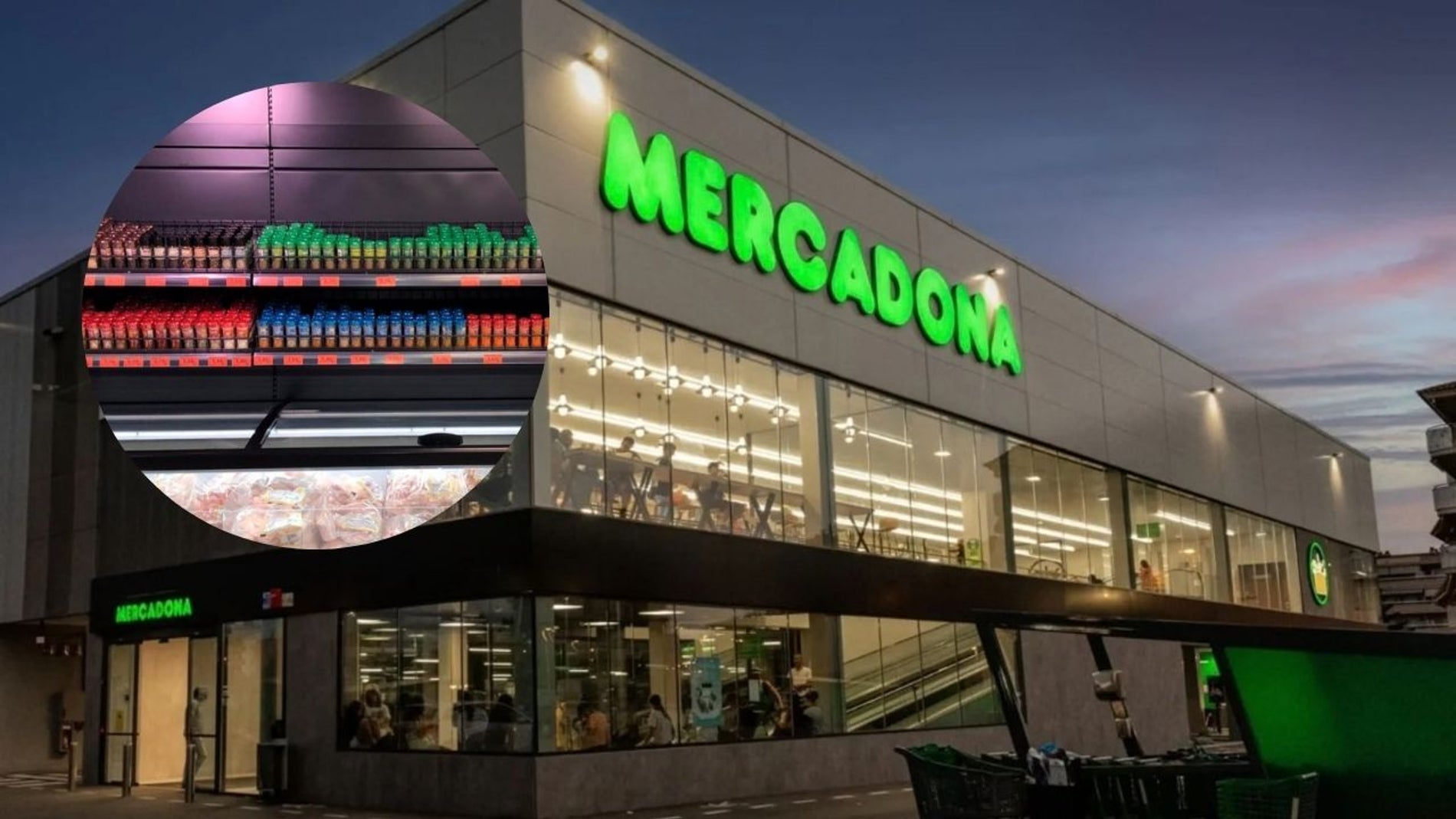
The measure forms part of a broader aisle strategy that relies on consumer psychology and visual navigation rather than traditional promotional displays. Retail industry analyst David Ferro noted that Mercadona has notably chosen to eliminate promotional endcap displays altogether across its supermarket aisles.
Strategic layout decisions also influence store entrances across the grocery sector. Two neuromarketing experts explained that Mercadona places fresh fruit right at the main entrance because starting a shopping trip with a healthy decision prevents the human brain from feeling guilt, which directly conditions the items selected for the rest of the shopping basket.
The layout choices come as competing grocery chains adjust their retail presence across Spain. French retail group Carrefour recently responded to rivals Lidl and Mercadona by converting three of its supermarket locations into Express convenience stores, while retaining all 44 workers employed across those locations.
Spice category color breakdown
Under the color classification, Mercadona assigns red caps to jars containing ground spices. This category includes milled products such as cinnamon, paprika, cayenne, ground pepper, as well as granulated garlic and garlic powder.
For spices in their whole form, the retailer uses brown caps to separate unground ingredients from their processed equivalents. Ingredients that are also sold in powder form under red caps, such as whole peppercorns or cinnamon sticks, are packaged under brown caps when sold in their original format.
Green caps are reserved exclusively for dried herb preserves rather than traditional spices. Mercadona selected green to establish a visual connection with plant origins, placing the shade on jars of oregano, rosemary, basil, and thyme.
Seasoning blends and lid labeling
The remaining two colors on the spice display distinguish specialized food products. Orange caps are used for food coloring, matching the vibrant shade of the product inside. Blue caps identify pre-mixed seasonings and spice blends, a category that has gained popular weight in customer shopping baskets for adding quick flavor to meals.
To further assist shoppers and prevent wrong additions to recipes, Mercadona now prints the specific name of the ingredient directly on the top surface of each cap. The top-facing text ensures that customers can verify the contents instantly without needing to turn or lift the jar from the shelf.
Executive statements and store history
The focus on customer ease reflects broader operational principles set by Mercadona president Juan Roig. Addressing a past strategy mistake involving packaged fresh produce, Roig noted that stores saw no customer queues and that the company came close to losing all of its customers.
Roig also outlined the priority structure governing decision-making at the company, placing capital at the bottom of his list behind the customer, the worker, the supplier, and wider society.
Retail appliance deals and labor commentary
In other grocery market developments, German discount retailer Lidl announced the launch of a super-automatic coffee machine featuring an integrated grinder for 199.99 euros, aimed at customers seeking bar-style coffee at home.
In workforce analysis, electrician Juan Castro stated that the expansion of artificial intelligence will eventually cause electricians and skilled trade professionals to become the highest-paid workers in the economy.
In defense analysis, military expert Yago Rodríguez reported that entire frontline units had arrived at deployment zones wearing 1960s steel helmets and carrying stripped-down rifles without optical sights.
Public loans, weather warnings, and court cases
In public finance policy, journalist Juan García Jiménez outlined new requirements for government-backed housing loans that allow eligible first-time home buyers to request up to 50,000 euros in state assistance.
Meteorological reports warned of an incoming DANA high-altitude isolated depression weather system. Reporter H. de Miguel noted that heavy rain and severe thunderstorms threaten to impact key regions during the upcoming Pilar long weekend holiday.
In human interest reporting, Mari Carmen Maza, wife of Álex Roca, shared her personal recovery experience, stating that she went from wanting to die to wanting to live, according to coverage by Juan García Jiménez. Meanwhile, court reporter Ricardo Coarasa and journalist Ángela Poves reported that judicial official Tardón highlighted the remarkable complexity and special legal significance of an ongoing court investigation into the invasion of Ceuta.


