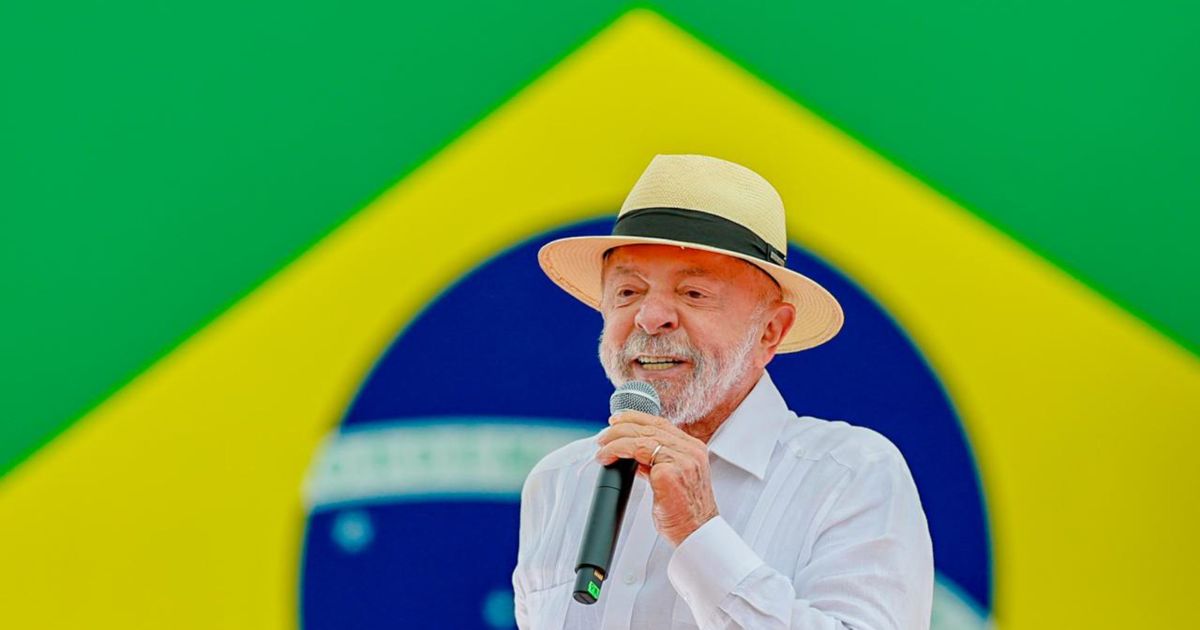
Brazilian President Luiz Inacio Lula da Silva has urged voters over 70 to cast their ballots in the first round of the presidential election.
The president, who is running for re-election, made the appeal on Thursday during a campaign walk in Sao Goncalo, in the metropolitan region of Rio de Janeiro.
Lula told supporters that campaign workers needed to convince citizens aged 70 and older to vote. Pointing to his own campaigning at the age of 80, he questioned why a 70-year-old would stay away, asking whether they had given up on life.
In an informal appeal, he asked whether older people lacked motivation to live, reminding them that they had spouses, children, grandchildren, and great-grandchildren. He urged them to get off their backsides and vote, adding that Brazil needed them and that age was no reason to stay home.
Push for a first-round victory
Lula argued that motivation to take part in the vote was tied to the nation's future, urging his supporters to settle the presidential contest in the first round. With only ten days remaining before the vote, he warned that citizens could not afford to stay away.
Under the Brazilian electoral system, a presidential candidate must secure more than 50 percent of valid votes in the first round to avoid a second-round runoff.
The president also recommended regular physical exercise and urged older citizens to find causes that keep them active. Lula said people grow old if they lack motivation, citing First Lady Rosangela da Silva, known as Janja, along with his granddaughter, the nation, and the Brazilian public as his own reasons to keep fighting.
Optional voting for older citizens
Under Brazilian electoral law, voting is optional for citizens aged 70 and older. This means they are legally entitled to decide whether to turn out on polling day without facing the consequences and penalties imposed on voters who are required to participate.
For literate Brazilians between 18 and 69, voting is compulsory. Those who fail to vote or justify their absence face fines and restrictions on government services or passports.
Mobilising older electors forms a key part of the Workers Party strategy in the final stretch of the campaign. Approximately 17 million Brazilian voters are aged 70 or older, and more than half of that demographic did not cast a ballot during the 2022 presidential election.
Lula walked in Sao Goncalo alongside Eduardo Paes of the Social Democratic Party, who is running for governor of Rio de Janeiro. They were accompanied by two candidates for the Brazilian Senate, Benedita da Silva of the Workers Party and Pedro Paulo of the Social Democratic Party.