A buyer needs 19 years of an average salary to purchase a 50 square metre apartment in central Lisbon, according to a comparison of European cities. That is far less time than in Moscow, where buyers need almost 23 years of average pay, but far more than in Manchester, where five years of wages is enough.
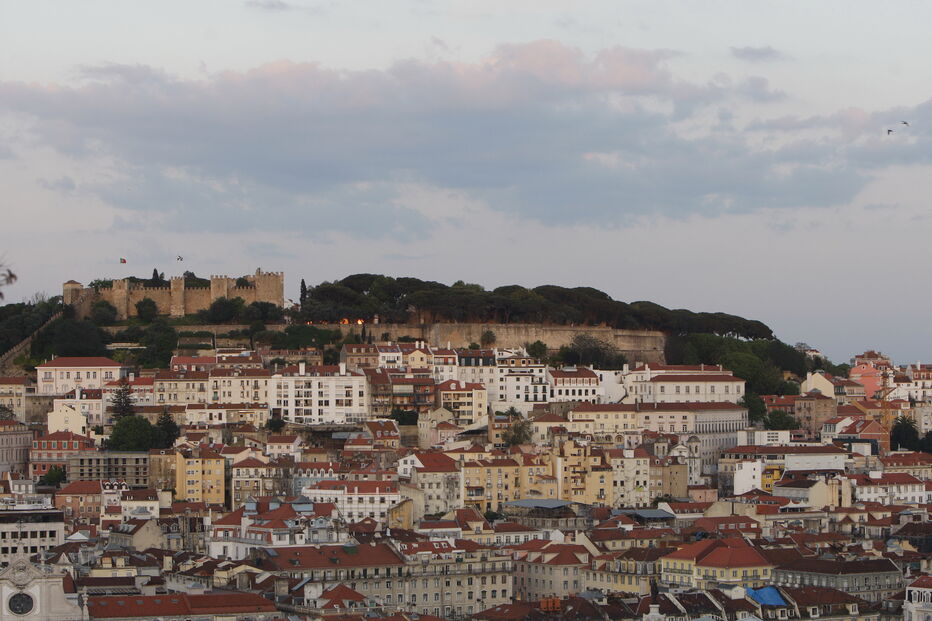
The figures place the Portuguese capital in the middle of a wide European range for housing affordability, with cities in Russia and the United Kingdom marking the extremes cited in the comparison.
High Prices, Low Comfort
Despite the steep cost of buying a home, Portuguese households are among those in the European Union with the greatest difficulty keeping their homes warm. Portuguese homes rank among the least comfortable in the bloc, with families struggling to heat them adequately.
The combination highlights a gap between the price of housing in Portugal and the quality of the stock available. Buyers in Lisbon are paying years of their income for properties that, once purchased, can still leave residents exposed to cold.
Why Lisbon Ranks Where It Does
Lisbon has seen years of rising property prices, driven in part by demand from foreign buyers and investors drawn to the city's historic centre and its climate. Average wages in Portugal remain among the lower end in Western Europe, which widens the gap between what a typical salary can buy and what property in the capital actually costs.
Manchester, in northern England, has a far larger housing stock relative to its population and lower average property prices than London or other major UK cities, which helps explain why buyers there need only five years of average pay. Moscow, by contrast, combines a large, wealthy population competing for central housing with a property market that has pushed prices well beyond what typical Russian wages can match quickly, requiring close to 23 years of average salary for a comparable flat.
Energy Poverty in Portugal
The difficulty many Portuguese families have in heating their homes points to a broader issue of energy poverty, where households cannot afford to keep their homes at a comfortable temperature. Poor insulation and older building stock are common factors behind this problem in southern European countries, where homes have traditionally been built with warmer climates in mind rather than sustained winter heating needs.
The figures underline the twin pressures facing Portuguese households: a property market that demands close to two decades of wages for a modest flat in the capital, and a housing stock that, once bought or rented, often fails to keep its occupants warm.
Test yourself
How many years of an average salary are needed to buy a 50 square metre flat in central Lisbon?
Which city in the comparison requires the most years of average salary to buy a comparable flat?
What problem do Portuguese households face despite high home purchase prices?
Have your say
Is 19 years of average salary a reasonable cost for buying a home in a capital city?
Where it happened
Lisbon, Portugal