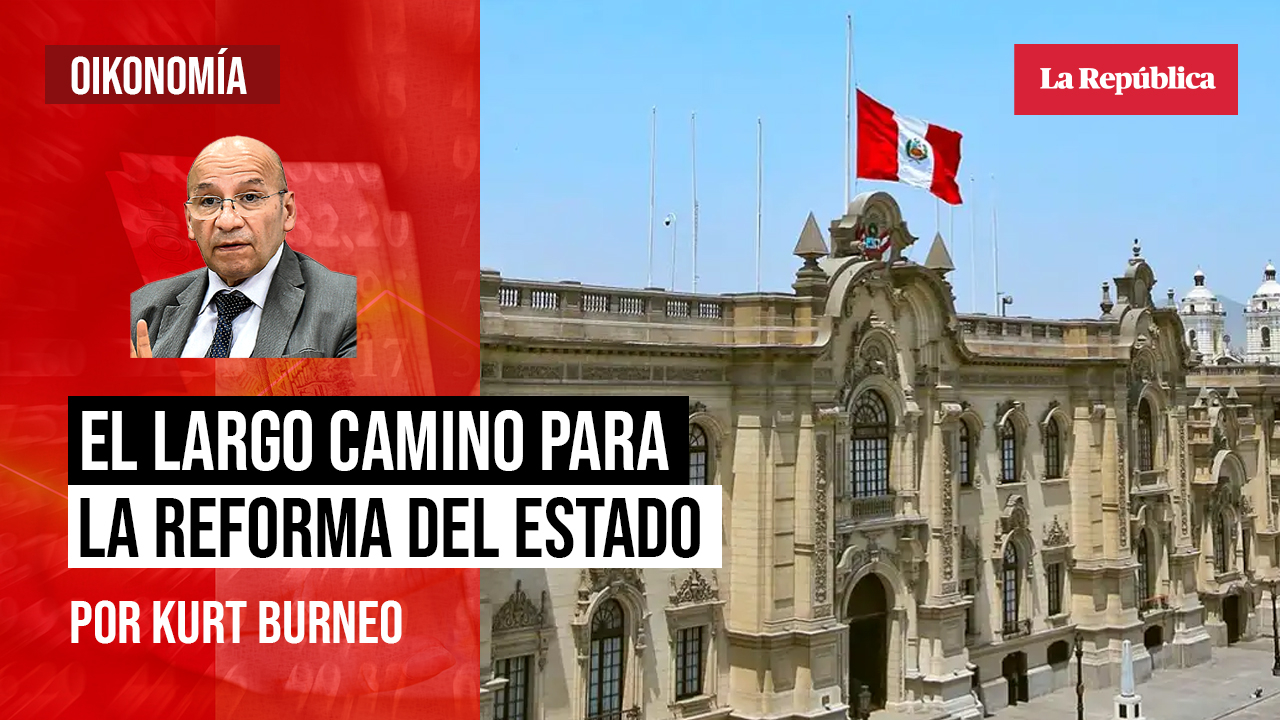
Kurt Burneo, who served as Peru's Minister of Economy and Finance, wrote in a newspaper column that a temporary jump in fiscal revenue driven by high gold and copper prices is masking a deeper problem in how the Peruvian state manages public spending.
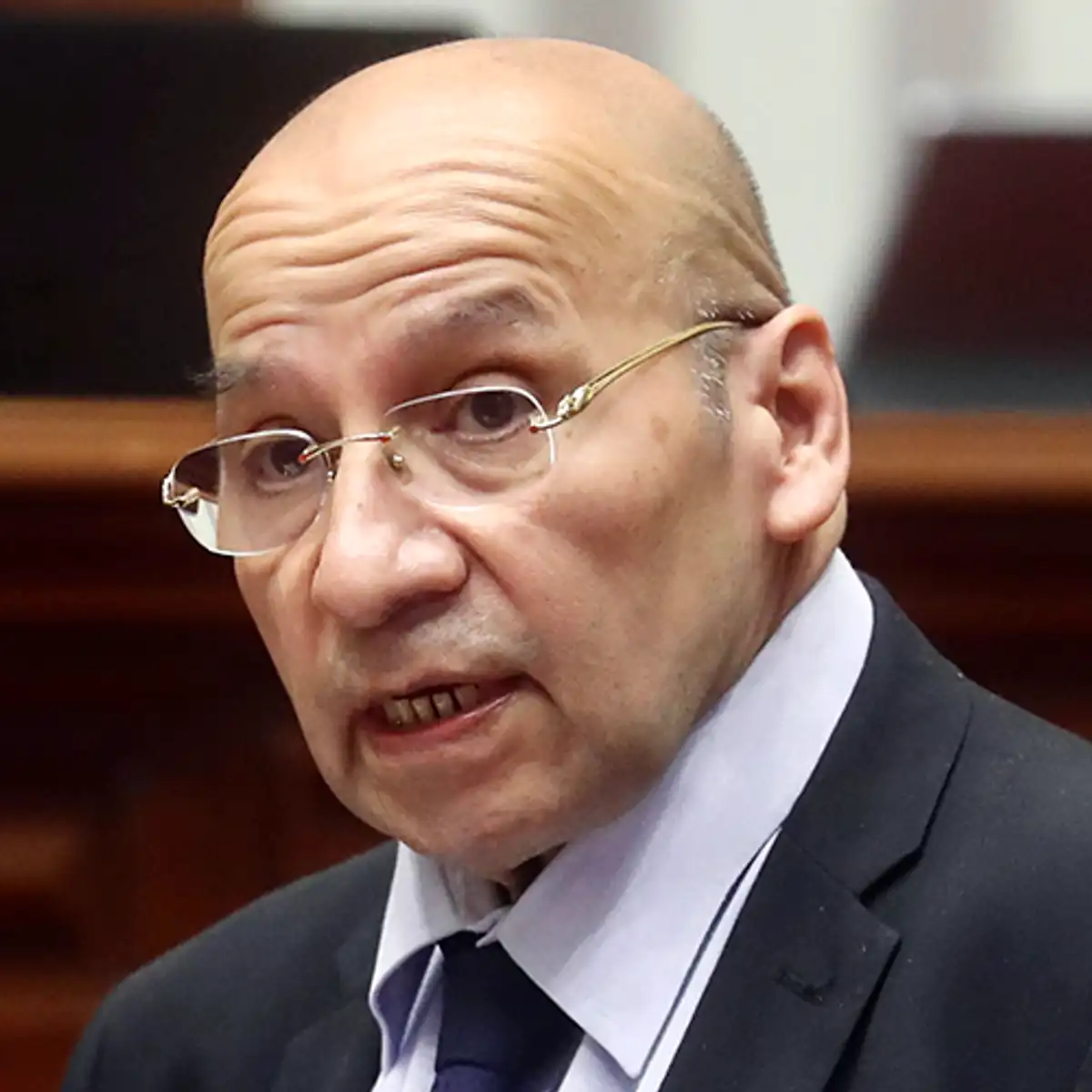
Burneo said the rise in tax collection stems mainly from higher income tax paid on the profits of mining companies, a levy known in Peru as third-category income tax. He said this temporary boost helped cut Peru's projected 2026 fiscal deficit from 1.3% to 1% of gross domestic product, even though government spending, much of it recurring rather than one-off, kept rising.
He warned that if metal prices fall back and the El Niño weather phenomenon hits GDP and tax revenue as expected, Peru would face a fiscal problem still to be resolved. But he argued that money already budgeted for this year is available now, which raises the question of why the state keeps operating with the same inefficiency and ineffectiveness.
Emergency funds left unspent
Citing Peru's Comptroller General's Office (Contraloría General de la República), Burneo said 317 municipalities had executed less than 40% of their Modified Institutional Budget, known as the PIM, as of July 31, 2026. The funds fall under Budget Program 0068, "Reduction of Vulnerability and Emergency Response to Disasters," which is meant to address the effects of the El Niño Phenomenon for 2026 to 2027.
Of those 317 municipalities, 109 had executed 0% of the funds, according to the figures Burneo cited.
Regional and national government gaps
At the regional level, nine regional governments had also executed less than 40% of Budget Program 0068, Burneo said: Áncash, Apurímac, the Constitutional Province of Callao, Ica, La Libertad, Lima, Moquegua, Pasco and Tumbes.
He added that within the national government, the Ministry of the Interior, the Ministry of Women and Vulnerable Populations, the Ministry of Defense, Peru's National Civil Defense Institute and the country's National Fire Brigade authority had likewise spent less than 40% of the resources assigned to the program.
Disconnected administrative systems
Burneo traced the shortfall to weak coordination among Peru's eleven state administrative systems, the rules, processes and tools used to manage public resources. He said these systems currently coordinate with each other only marginally.
As a result, he said, even well-designed public policies run into administrative systems that are disconnected from one another, creating problems not only in executing financial resources but also in meeting the country's projected economic goals.
Burneo is a former Peru Economy Minister who holds a doctorate in business administration from Universidad Ramón Llull-Esade in Spain and a master's degree in economics from the Pontificia Universidad Católica del Perú. He is an economist from the Universidad Nacional Mayor de San Marcos in Peru, was previously a scholarship student at the graduate economics school of the University of São Paulo in Brazil, and is a researcher registered with Peru's Concytec-Renacyt system.
Burneo closed his column by saying the challenge for the state has now been laid out.