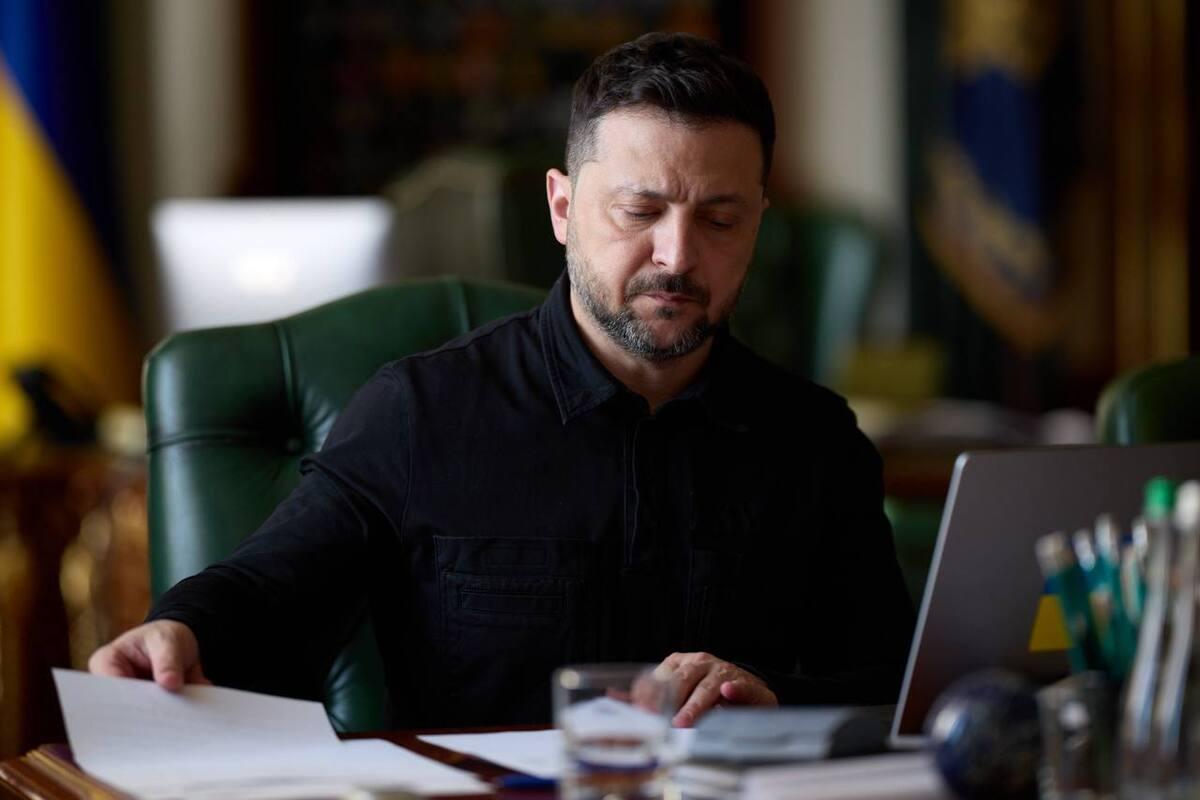
Peruvian President Keiko Fujimori faced criticism from lawmakers after travelling to El Salvador to seek security assistance against extortion and contract killings. The official visit aimed to gather direct experience from the Central American nation's hardline policing and secure international support to tackle violent crime in Peru.
Hernán Sifuentes, the mayor of the Lima district of San Martín de Porres, rejected the congressional pushback on Monday, arguing that failing to support the trip ignored Peru's security emergency. He said international cooperation was essential to restore order and peace for Peruvian families facing criminal gangs.

Sifuentes noted that the Fujimori administration first expanded security cooperation with the United States by joining the Shield of the Americas initiative. The government is now broadening regional ties with Latin American partners, following a visit by Ecuadorian President David Noboa and outreach to El Salvador.
According to Sifuentes, Salvadoran President Nayib Bukele has demonstrated positive results, particularly in recovering territorial control and managing correctional facilities. He argued that the Bukele model offers Latin America a viable method to confront violence, contrasting it with previous regional strategies that yielded little impact.
Security strategy and prison reform
Sifuentes acknowledged that questions remain over how applicable the Salvadoran model is to Peru, given the differences in history, social structures, and national context. However, he maintained that adapting the approach depends on two core pillars: strengthening intelligence operations and implementing local prevention measures.
The first pillar targets the national security system by dismantling criminal networks operating from inside penitentiaries with the help of colluding agents from the National Penitentiary Institute, known as INPE. Sifuentes said restoring order in prisons was an urgent priority, adding that El Salvador possessed deep experience that reached beyond the construction of mega-prisons.
Alongside prison overhauls, Sifuentes called for reinforcing police intelligence units to stop criminal organisations from expanding. He warned that local gangs have adopted foreign methods to carry out intimidation and violence across Peruvian cities.
Peru's correctional system has long faced severe overcrowding and security challenges, with authorities frequently uncovering extortion schemes run directly from prison cells. The National Penitentiary Institute oversees dozens of detention facilities across the country, where organized syndicates have historically coordinated criminal operations outside prison walls.
Public spaces and youth prevention
The second pillar focuses on crime prevention by recovering public spaces for local communities. In San Martín de Porres, the municipal administration has applied Salvadoran methods through an Urban Center for Wellbeing and Opportunities, known as CUBO, located in the Condevilla neighbourhood.
Condevilla was previously considered one of the most dangerous areas in the district, marked by frequent robberies and street violence. The newly built community space now offers free educational and recreational programmes for children, young people, and local families.
The municipal facility is scheduled to open alongside Gustavo Acevedo, the mayor of the Salvadoran district of Santa Ana. Acevedo is returning to Peru following an earlier visit in 2023, when both local leaders signed a formal cooperation agreement to share crime-fighting strategies.
Sifuentes cited comments made by Acevedo during that 2023 meeting, recalling that the Salvadoran official had described the fight against organized crime as a worldwide struggle. Sifuentes said Peruvian politicians needed to keep that message in mind as they debated national security measures.
Regional security and political background
Urban Centers for Wellbeing and Opportunities originally began in El Salvador as part of national efforts to keep youth away from criminal gangs by providing libraries, recreation facilities, and digital classrooms in vulnerable neighbourhoods. The initiative aimed to pair strict law enforcement with community investment in areas historically plagued by gang activity.
Santa Ana is the second largest city in El Salvador, situated in the western department of Santa Ana. San Martín de Porres, located in northern Lima, is one of Peru's most populous municipal districts, where local authorities and residents have confronted persistent challenges with street crime and extortion syndicates.
President Keiko Fujimori has led the conservative Popular Force party through multiple presidential campaigns before taking office in Peru. Her administration has faced growing public concern over rising violence, with commercial operators and local businesses in Lima calling for decisive government intervention against extortion gangs.
In El Salvador, President Nayib Bukele has gained widespread international attention since taking office in 2019 for his aggressive campaign against street gangs. His administration imposed emergency measures and built massive high-security penitentiaries, dramatically reducing violent crime rates in El Salvador while drawing scrutiny from international human rights monitors over due process.
Neighbouring countries across South America have increasingly debated whether Salvadoran tactics can be imported into their own legal frameworks. In Ecuador, President David Noboa has similarly declared internal security emergencies to combat armed drug-trafficking cartels, highlighting a broader regional trend toward militarised and centralised anti-crime operations.