India is bringing its ancient epic story to global movie theaters in a massive two-part film adaptation titled Ramayana: Part 1, scheduled for release worldwide in November. The project represents an unprecedented undertaking for the Indian film industry, aiming to turn one of the country's most celebrated narratives into a major international cinematic phenomenon.
The first film carries an estimated production cost of between $200 million and $250 million, with the second installment projected to have a similar budget. Together, the two films could reach a combined budget of $500 million, making the adaptation the most expensive film production ever realized in India, rivaling the total budget of The Hobbit trilogy.
Hollywood studio Sony Pictures will distribute the films outside India. The high-profile production brings together prominent international music talent, with German film composer Hans Zimmer collaborating alongside Oscar-winning composer A. R. Rahman to create the movie soundtrack.
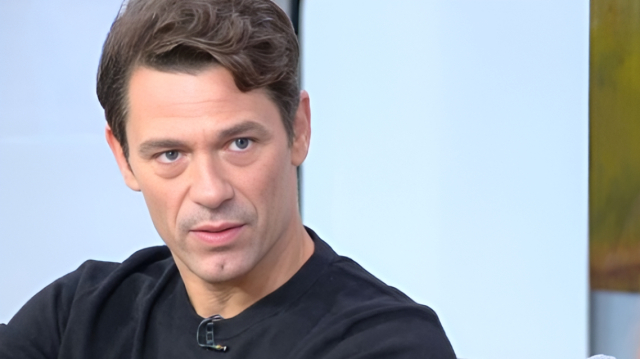
Bollywood actor Ranbir Kapoor stars in the lead role as Prince Rama, while Kannada film star Yash plays the antagonist King Ravana. The first installment will premiere in theaters in November to coincide with Diwali, the popular Indian festival of lights. Filming for the second part is already underway, with its release scheduled for November 2027.
A Story Known to Billions
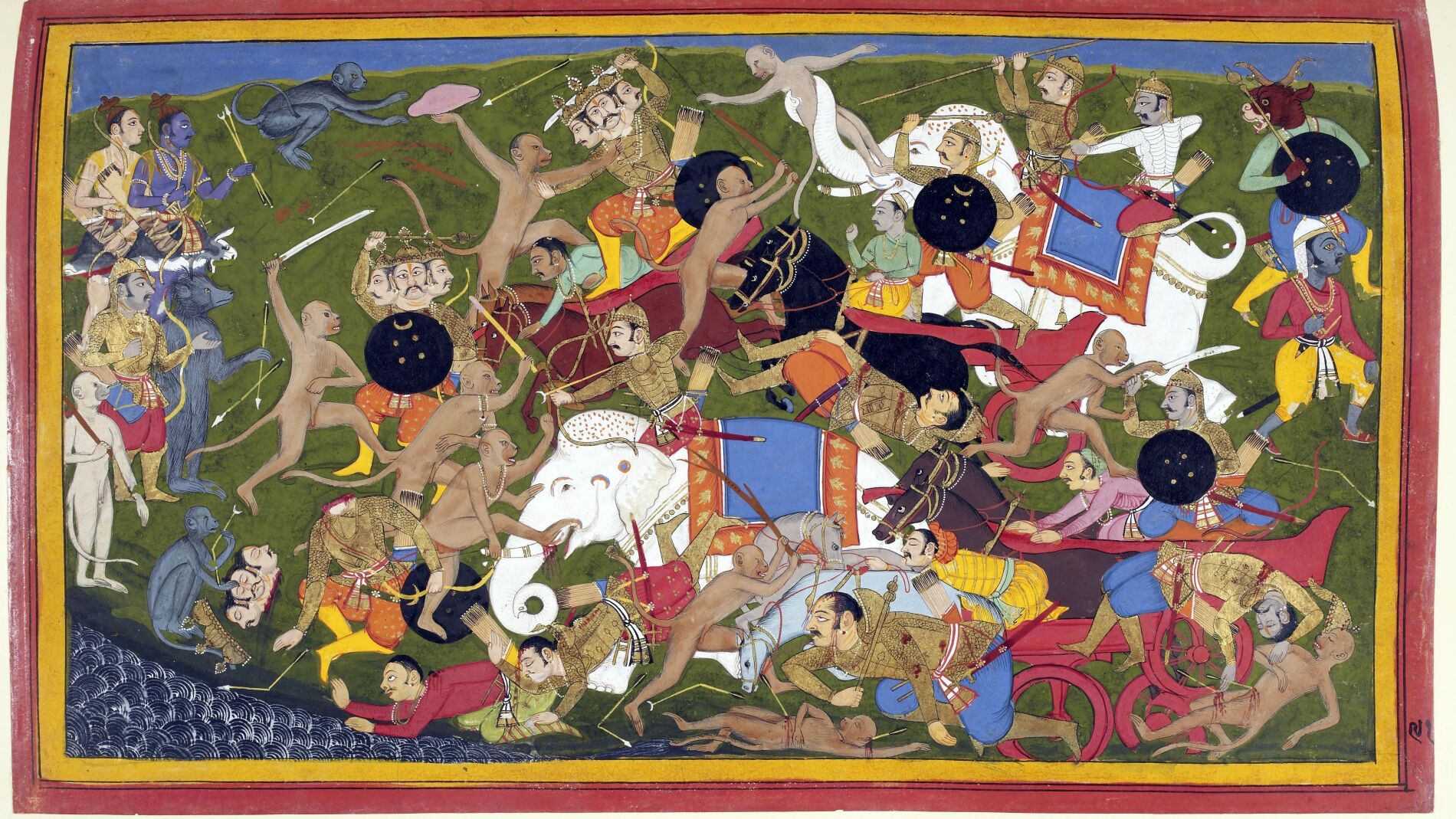
The Ramayana is one of the foundational epic poems of Indian culture. Attributed to the ancient poet Valmiki and composed around the 4th century BC, the saga follows Prince Rama on a mission to rescue his wife Sita after she is abducted by King Ravana.
An estimated audience of more than two billion people is familiar with the story, which has been reinterpreted across literature, theater, cinema, and television for centuries. Among its most popular modern versions was the hit television series Ramayan, broadcast between 1987 and 1988, which became a cultural milestone across the region.
Film producer Namit Malhotra told the BBC that stories from the Ramayana have been passed down by Indian grandmothers to their grandchildren for generations, comparing the narrative's cultural ubiquity to how children learn about Santa Claus or Jesus Christ. Malhotra explained that the new project was conceived from the start for a global audience, originating in India to reach viewers worldwide.
AI Lip-Syncing Technology
To enhance its international reach, the production is utilizing artificial intelligence to adapt the lip movements of actors to different dubbing languages. Developed by visual effects company DNEG, which worked on Hollywood blockbusters such as Oppenheimer and Dune, the technology aligns actor facial movements with translated dialogue.
The AI lip-syncing system allows characters in localized releases, such as the Spanish edition, to appear as though they are pronouncing the dialogue directly rather than appearing dubbed. While the complete list of release languages has not been published, executives confirmed that available versions will include English, Spanish, Mandarin, and several Indian languages.
With a combined budget that could reach $500 million and a narrative recognized for centuries, Ramayana faces its ultimate test in November as producers evaluate whether India's iconic epic can achieve global box-office success.