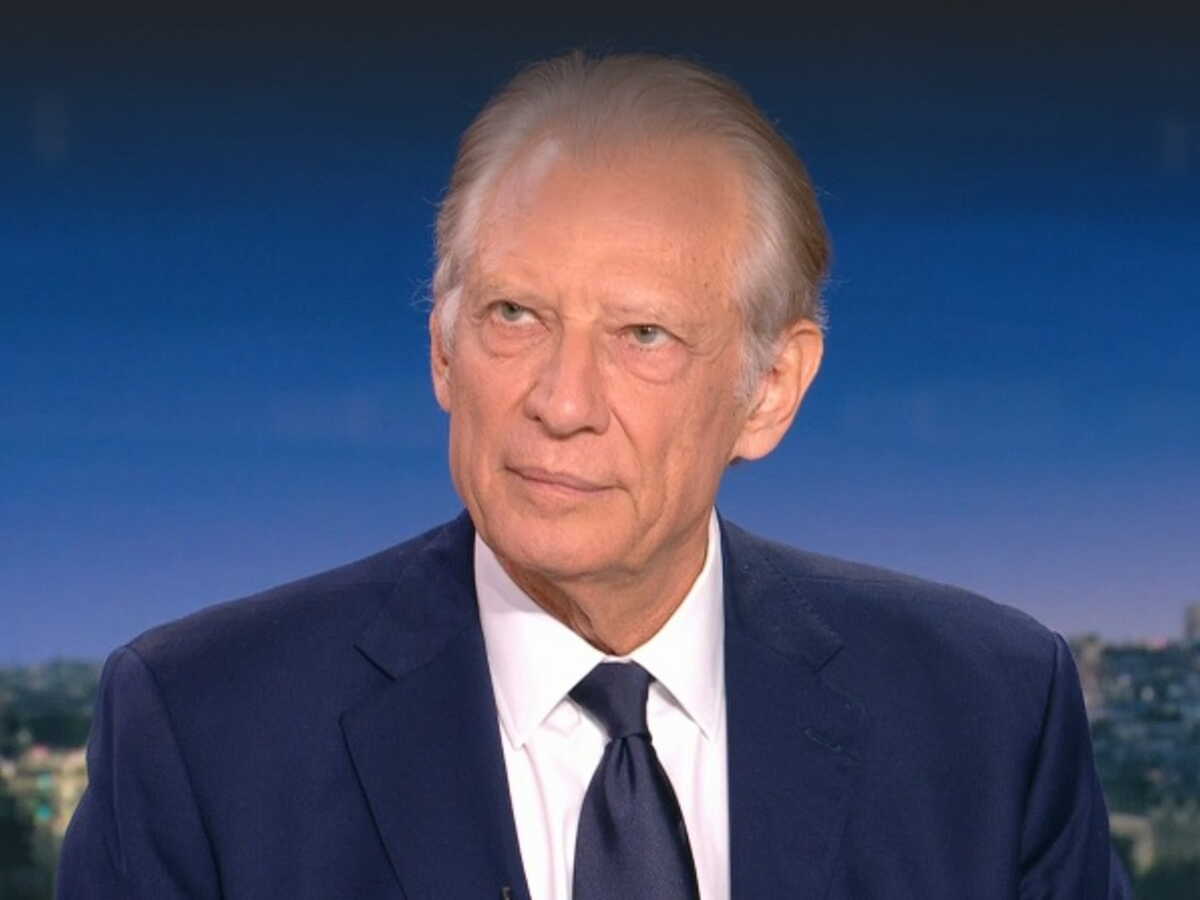
Greece's spending on research and development reached 4.06 billion euros in 2025, a rise of more than 12% in a single year, Deputy Minister of Development Stavros Kalafatis said. The figure is equivalent to 1.63% of gross domestic product.
Kalafatis, who is responsible for research and innovation, presented the data at an event titled "Innovation & AI: Where Are We? What Needs to Be Done," held at the NOHSIS science centre in Thessaloniki.
Private sector drives spending growth
According to Kalafatis, more than 54% of research and development spending now comes from the private sector. Greece ranks 13th in the European Union for related investment. The share of researchers within the country's economically active population is above the EU average, placing Greece 11th in the bloc.
The research and development workforce now exceeds 70,000 full-time equivalent positions, up 37% compared with 2018, Kalafatis said. He added that 1,243 Greek researchers rank among the top 2% of scientists worldwide by scientific influence.
Kalafatis said the central challenge now was converting research excellence into Greek patents, new products, exports and well-paid jobs, closing the gap between the laboratory and the market.
Tax breaks and AI funding
Setting out government initiatives, Kalafatis pointed to tax super-deductions of up to 315% on research and development expenses, and 150 million euros made available through the country's development law for investments in artificial intelligence and other advanced technologies.
He also referred to the "Daedalus" supercomputer and the "Pharos" AI Factory, which he said would strengthen the capabilities of researchers, startups and small and medium-sized enterprises. More than 300 million euros from Greece's Recovery and Resilience Fund has been allocated to equip research centres, he said.
Plans for a new ministry
Kalafatis placed particular emphasis on plans for a standalone Ministry of Higher Education, Research and Innovation, which the Greek prime minister has already announced. The aim, he said, is to cut bureaucracy and improve coordination between universities, research centres and businesses.
Turning to Thessaloniki, Kalafatis said the city has the conditions to become a national centre of technological and productive transformation, citing its universities, the Alexander Innovation Zone, the Centre for Research and Technology Hellas (CERTH), and NOHSIS itself.
Science centre and think tanks weigh in
Dr. Eri Toka, chair of the NOHSIS board, said in her welcome address that the centre's core mission is to bring the public into contact with the sciences and technology, stressing that knowledge must be made understandable and usable by society.
Toka called for stronger cooperation between universities, businesses and the state so that the country's research output translates into innovation and practical applications. She said it was important to track Greece's progress in research and innovation, to gauge public attitudes toward artificial intelligence, and to ensure it is used ethically and legally. Her central message was that artificial intelligence must be used with clear rules and, above all, with the trust of citizens.
Spyros Ignatiadis, president of the Paremvasi Think Tank, said Greece needs to move from producing scientific knowledge to actually putting it to use, strengthening the links between research, innovation and entrepreneurship. He said that despite the country's scientific talent, universities and research centres, the biggest challenge remains turning research into innovation, economic value, competitiveness and quality jobs.
Ignatiadis said Greece cannot simply follow international developments in artificial intelligence or consume technologies produced abroad, but must take an active role in developing and producing them. He listed access to innovation for small and medium-sized businesses, upgrading workforce skills, and ensuring responsible use of technology as priorities. He also highlighted the cooperation between diaNEOsis, NOHSIS and the Paremvasi Think Tank, saying Greece needs not just more knowledge but a greater capacity to use the knowledge it already has.
Call for a more outward-looking economy
Dionysis Nikolaou, general director of diaNEOsis, said Greece needs to shift toward a more productive, outward-looking economic model with greater emphasis on technology and innovation. He said innovation is a key driver of economic growth, international competitiveness and social wellbeing, and that artificial intelligence must be developed with a human-centred focus.
Nikolaou described diaNEOsis's research work, including a series of studies on Greece's research and innovation system, startups and technological development, as well as a new research programme examining the effects of artificial intelligence on sectors including labour, justice, education and entrepreneurship. He said the strategic goal should be a shift away from a low-technology economy toward one built on productivity, specialisation and innovation at every level, from education and public administration to entrepreneurship.
The event was co-organised by the Paremvasi Think Tank, NOHSIS and diaNEOsis, with the stated aim of strengthening public dialogue on the future of research, innovation and artificial intelligence in Greece.
Test yourself
How much did Greece spend on research and development in 2025, according to Stavros Kalafatis?
What share of Greek R&D spending now comes from the private sector?
What new government body did Kalafatis highlight at the event?
Have your say
Do you think Greece's tax incentives for research and development will boost innovation?
Where it happened
Thessaloniki, Greece