Greece will make its first agricultural subsidy payment through a new state-run platform next Monday, Rural Development and Food Minister Margaritis Schoinas announced, with a further payment milestone set for December 30.
The move follows the transfer of the Greek Payment and Control Agency for Guidance and Guarantee Community Aids (OPEKEPE) to the Independent Authority for Public Revenue (AADE). Schoinas said that from the new year, payments are expected to start earlier, since the system will by then be fully ready and under the complete control of the Greek state.
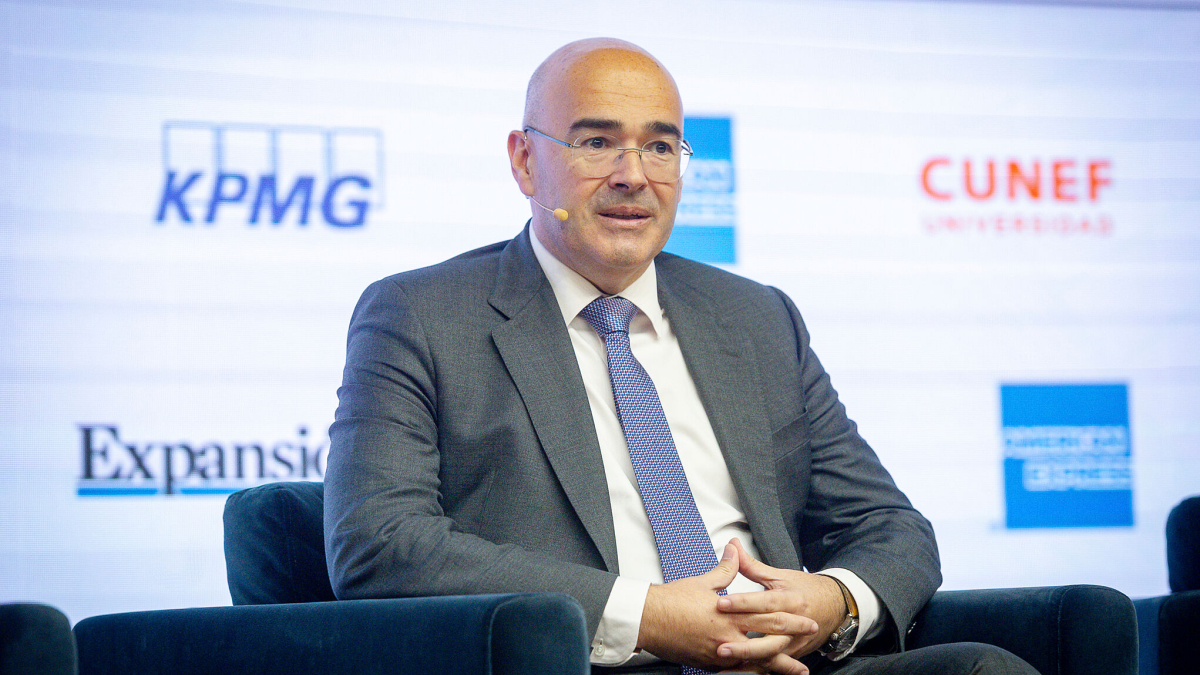
He made the announcement during a discussion with Anna Diamantopoulou, president of the DIKTYO think tank and a former European Commissioner and government minister, at a conference marking the 20th anniversary of Technopolis Thessaloniki. The remarks came in a session titled "The Greek Regions and the European Experience."
Schoinas said that for the first time since Greece joined the European Economic Community, farmers will be paid through a platform that is entirely in the hands of the Hellenic Republic. He stressed that the reform was carried out in the middle of an ongoing payments process.
Background to the OPEKEPE problems
According to Schoinas, in November of last year Greece faced the risk of having all of its agricultural subsidies from Brussels suspended because of longstanding problems in the payment system. Annual European funding for Greek agricultural subsidies amounts to roughly 2.5 billion euros.
He said that cleaning up the payment system and restoring its credibility are a precondition for the primary sector to move into its next phase.
On the political dispute surrounding OPEKEPE, Schoinas said the problems in the payment system had built up over decades and rejected attempts to pin responsibility solely on the period after 2019. He referred to the Greek prime minister's own self-criticism over delays in carrying out the reform.
He argued that moving payments to AADE represents a change in how the system operates, aimed at cleaning up procedures and ensuring aid reaches genuine beneficiaries, with no room for irregular practices.
Plans for a Land Bank
Schoinas said that once payments are normalized, the next priority is tackling the fragmentation of Greek farmland. He announced an initiative to create a Land Bank and to promote voluntary private land consolidation.
He said he has already raised the issue with the Greek prime minister and expects it to be included in New Democracy's program for the next government term. The aim, he said, is to address the problem of small, scattered landholdings by drawing on practices used in Spain, Italy and Portugal.
EU farm policy funding and flexibility
Turning to negotiations over resources under the Common Agricultural Policy (CAP), Schoinas said a final outcome is expected to be decided in December, and he estimated that Greece would not suffer losses.
He placed particular emphasis on the new CAP regulation, which he said gives national governments unprecedented flexibility to set their own agricultural policy priorities. Among the decisions facing Athens are who qualifies as a farmer and how resources are divided between direct payments and investments such as improvement plans, packing facilities and water infrastructure.
The goal, he said, is for European funds not to remain limited to subsidies but to generate added value by boosting production, processing and the international reach of Greek agri-food products.
Communicating EU decisions locally
Schoinas stressed the need for European decisions to be communicated simply and linked to the needs of local communities. He said that whatever is done, decided or thought at the EU level means nothing if it is not understood in Thessaloniki or in Chalkidiki, adding that Europe must not appear distant or elitist.
He said he faces the same challenge today as minister, having to explain the decisions of the Councils of Agriculture Ministers both in Parliament and the cabinet, and to representatives of farmers.
What happens next
The next payment milestone is set for December 30, and the final outcome of EU Common Agricultural Policy funding negotiations is expected in December.
Test yourself
When will Greece make its first agricultural subsidy payment through the new platform?
Which authority is now handling the agricultural payments after OPEKEPE's transfer?
Roughly how much does Greece receive annually in EU agricultural subsidies?
Have your say
Do you think moving agricultural subsidy payments under AADE control will fix Greece's payment problems?
Where it happened
Thessaloniki, Greece