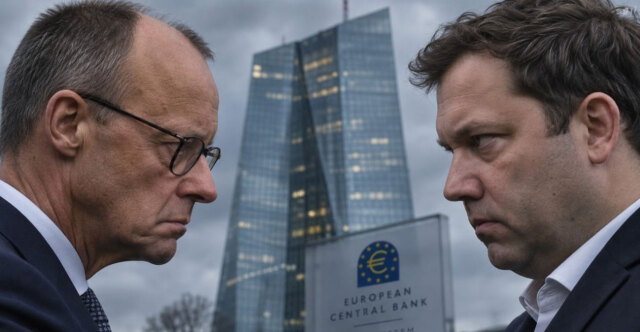
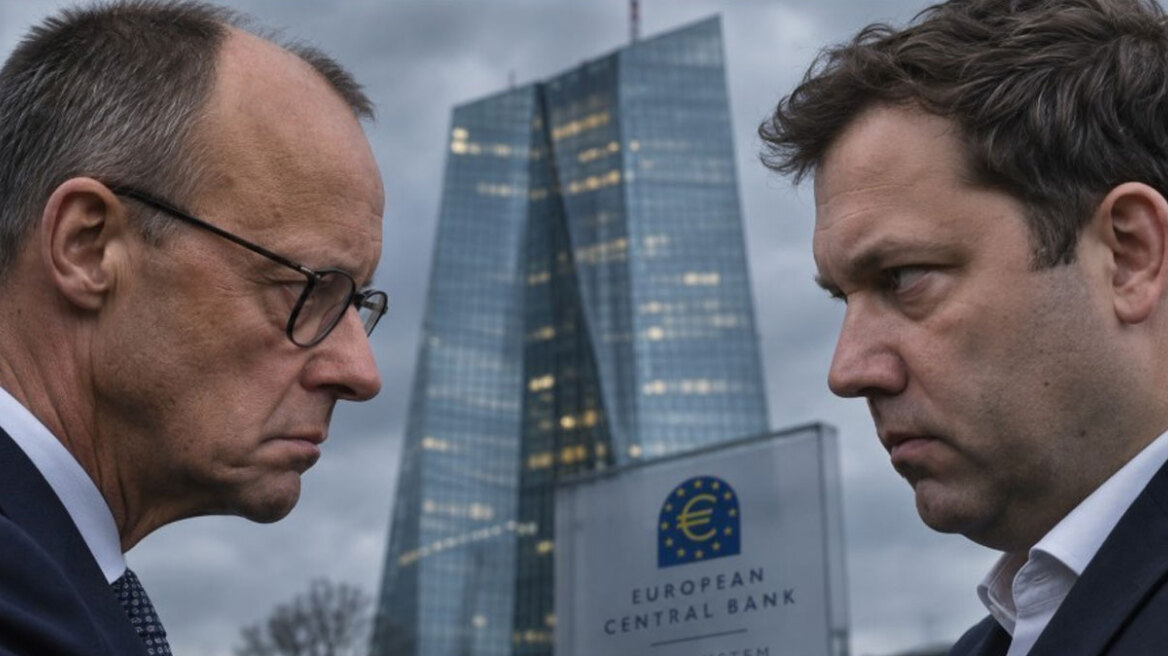
A dispute inside Germany's governing coalition is delaying a broader agreement among European Union governments on the new leadership of the European Central Bank (ECB), as Berlin struggles to settle on a candidate for one of three seats on the bank's Executive Board that must be renewed in 2027.
The deadlock is forcing Paris and other eurozone capitals to wait on Germany's decision, even as a plan gains ground that could install Spain's Pablo Hernández de Cos as ECB president, in place of Christine Lagarde.
Merz and Klingbeil at odds
At the center of the delay is friction between German Chancellor Friedrich Merz and his coalition partners over who Berlin should back in the wider bargaining covering several senior ECB posts.
Merz said on Friday that his government's proposal had not yet been finalized. He told reporters that Berlin intended to submit its candidate next week, adding that agreements were being prepared but were not yet finalized.
Race to succeed Lagarde
Lagarde, a former French finance minister who previously led the International Monetary Fund, has headed the ECB since November 2019. The ECB, based in Frankfurt, sets monetary policy for the eurozone, and its Executive Board is made up of a president, a vice-president and four other members, each appointed to a single eight-year term.
Hernández de Cos has been governor of Spain's central bank, the Banco de España, and also chairs the Basel Committee on Banking Supervision, the international body that sets global standards for bank regulation. A plan that would see him take over the ECB presidency from Lagarde is reported to be gaining support among eurozone governments.
Why Berlin's pick matters
EU governments typically negotiate the ECB's top jobs as a package, so Germany's failure to agree internally on its own nominee is holding up a wider settlement among eurozone capitals. Other governments in the currency bloc cannot finalize their own positions on the Executive Board vacancies until Berlin puts forward its name.
Merz did not name Germany's preferred candidate but said he expected the proposal to be ready for presentation next week, which would allow negotiations among EU governments over the full set of ECB appointments, including the presidency, to move ahead.