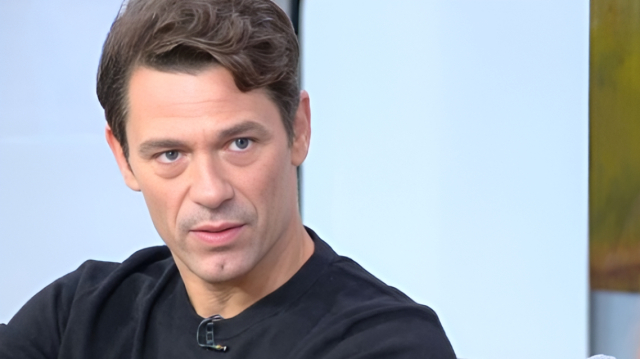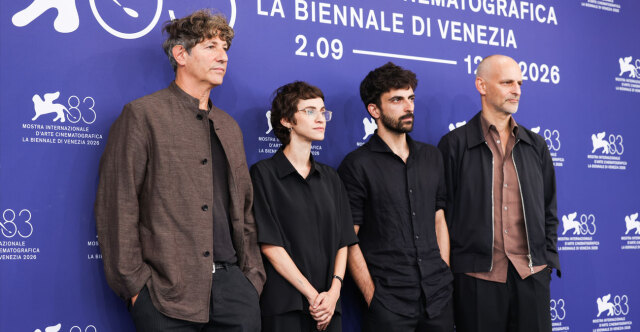
"NAZA," a new documentary by Israeli filmmakers Yuval Abraham and Rachel Szor, received a 24.5-minute standing ovation at its premiere at the Venice Film Festival, setting a historic record for the event.
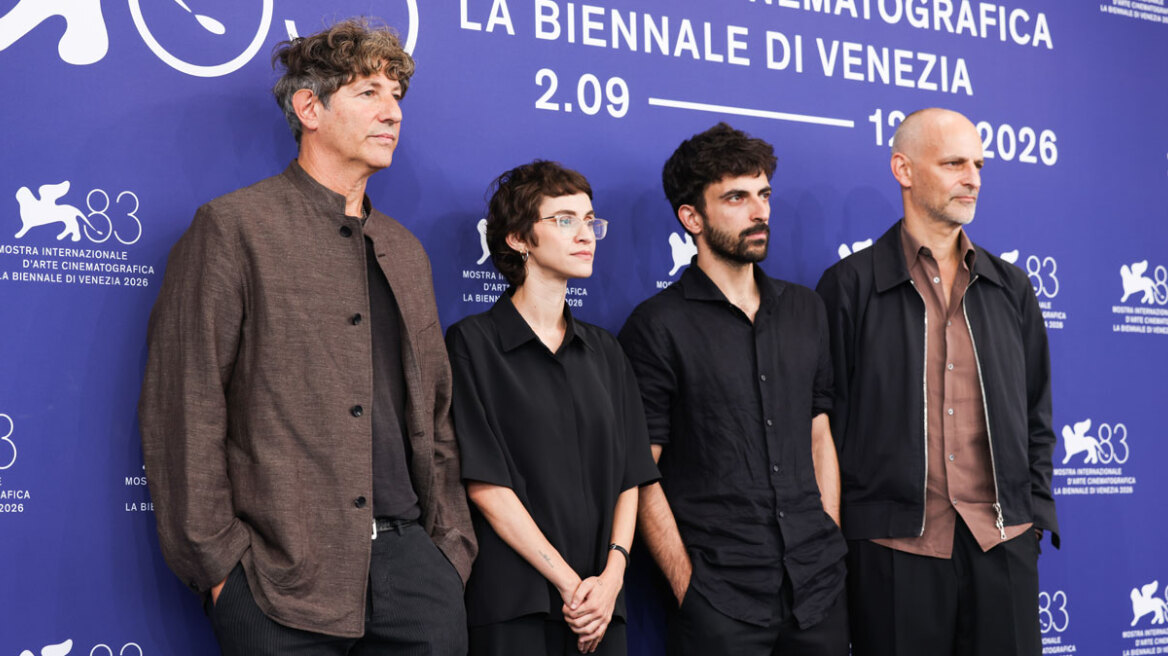
The ovation is the longest ever recorded at the festival, surpassing the 22 minutes earned last year by "The Voice of Hind Rajab." Abraham and Szor appeared visibly moved as the applause continued, while several audience members cried and some held Palestinian flags.
What the documentary covers
According to its official synopsis, "NAZA" sets out to detail the mechanisms behind what it describes as the systematic mass killing of Palestinian civilians in Gaza by Israel. The film was shot in strict secrecy, at night, on rooftops in Tel Aviv, and includes interviews with 24 officers from Israeli military intelligence services and soldiers.
The title "NAZA" comes from an acronym used by Israeli intelligence services for what is termed "collateral damage," referring to the estimated number of civilians expected to be killed in an airstrike.
Watch video of the standing ovation:
A late addition to the lineup
The film was added to the Venice Film Festival's competition program roughly a month after the festival's original lineup was announced. Its creators said the delay was because editing was still under way, following three years of work on the project.
The team behind "No Other Land"
Yuval Abraham and Rachel Szor were two of the four directors of "No Other Land," alongside Palestinian filmmakers Basel Adra and Hamdan Ballal. That film won the Academy Award for Best Documentary Feature in 2025 and documents efforts by the Israeli government to displace Palestinians from their homes in the southern West Bank.
The Venice Film Festival, one of the world's oldest and most prestigious film events, has become a regular launchpad for documentaries addressing the Israeli-Palestinian conflict in recent years.
Why the filmmakers made it
Speaking to Variety ahead of the premiere of "NAZA," Abraham said the filmmakers wanted to use their access to people within Israeli society who had served in the military in order to examine, from the inside, the mechanism behind military operations in Gaza.