France's National Assembly gave final approval on Tuesday, November 24, to the year-end budget adjustment law for 2026, confirming that the country's public deficit will reach 5.4% of gross domestic product, above the 5% target set earlier in the year.

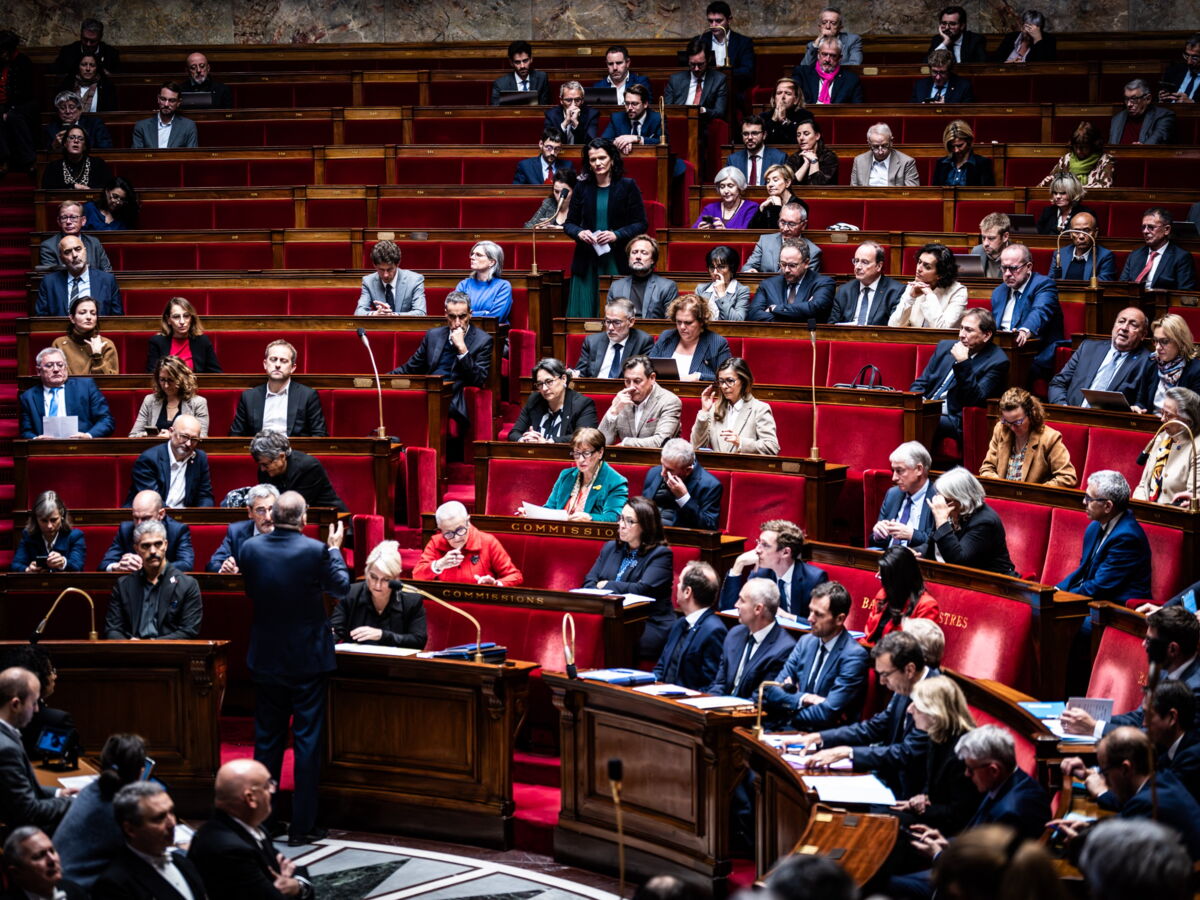
The lower house adopted the text, known as the loi de fin de gestion, by 135 votes to 64. The vote followed approval by the Senate, which backed the compromise by 231 votes to 111 overnight on November 18 into 19, after a joint committee of senators and deputies reached agreement on November 20. The Assembly had rejected an earlier version of the bill on November 12.

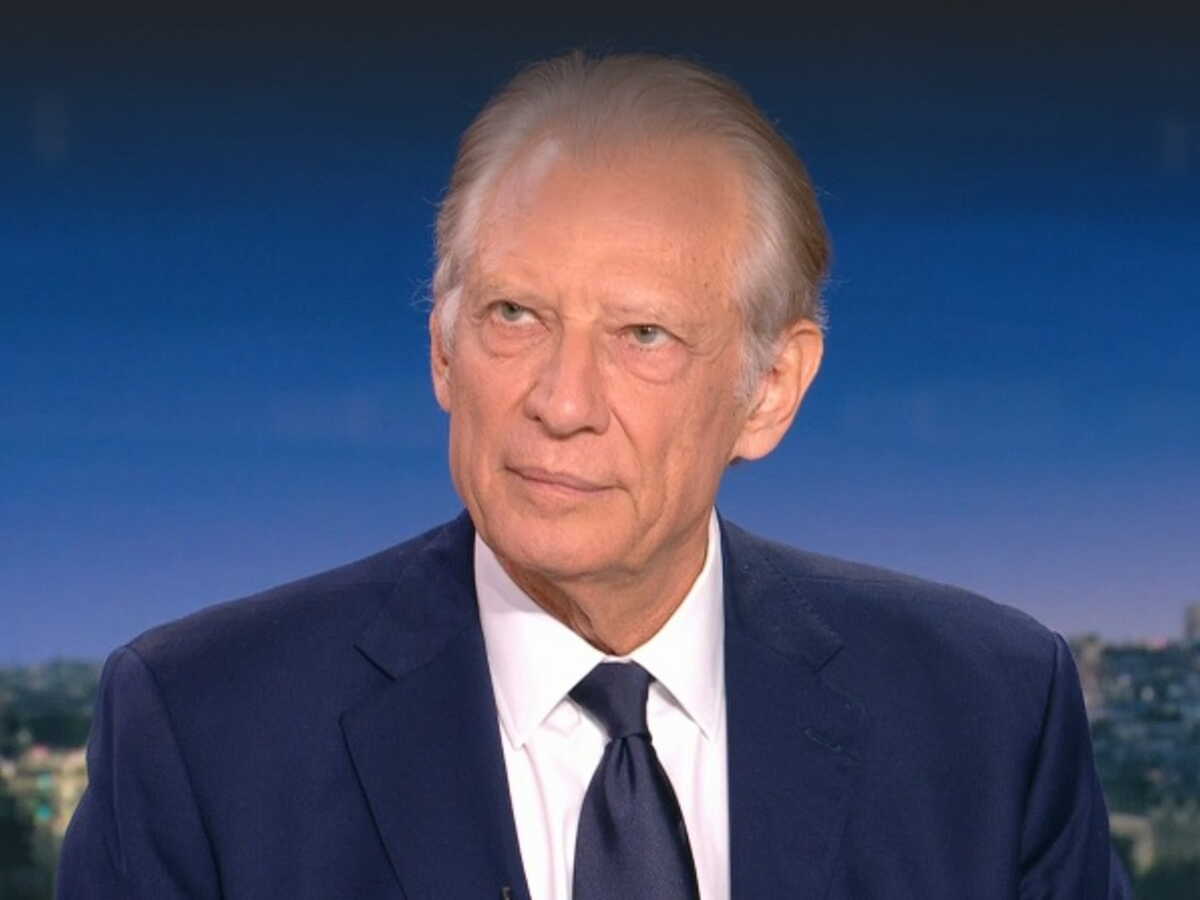
Philippe Juvin, the budget's general rapporteur and a member of the Republican right, summed up the purpose of the vote by saying that a year-end text does not judge the year, it settles it.
How the vote broke down
The result split along fairly clear political lines. The centrist Ensemble pour la République, Les Democrates and Horizons groups voted in favour, along with 34 Republican right deputies. On the left, the France Insoumise and Green lawmakers voted against, and most Communist deputies opposed the text as well. The Rassemblement National and the Socialists abstained, with the Socialist group recording only one vote in favour and one against while the rest of its members abstained.
Socialist deputy Estelle Mercier said her group's abstention was meant to avoid blocking crisis measures or weakening gains secured in last year's budget. Rassemblement National deputy Kevin Mauvieux said the text delivered only meagre gains for the French public.
Juvin said adopting the text did not amount to endorsing the government's handling of the budget, arguing that rejecting it would not have made the deficit or the debt disappear.
A warning on debt
Juvin said the situation had moved beyond a simple forecasting gap and now amounted to a warning, calling for France to regain control of its spending and cautioning that public debt would otherwise suffocate the country.
The year-end law does not rewrite the annual budget. Instead it adjusts credits approved in the initial finance law to match actual spending and needs that emerged during the year, including commitments tied to the crisis in the Middle East and its energy fallout, drought, wildfires and difficulties in several economic sectors.
Mathieu Lefevre, the delegate minister for Ecological Transition and interim government spokesperson, praised the spirit of compromise reached with the Senate. He said every euro spent on crisis response had been offset by a euro of savings, and that state spending should stay below the level authorised by the initial finance law, unlike in 2025, when spending exceeded that ceiling by 400 million euros.
The compromise comes at a cost: it adds 286 million euros to the state's deficit compared with the government's original text, according to the joint committee's report. The state budget deficit is now estimated at around 136 billion euros, against 134.6 billion euros planned in the initial finance law. That figure is distinct from the broader public deficit, which covers all public administrations and stands at 5.4% of GDP.
Where the extra money goes
Agriculture received a large share of the additional funding, including 285 million euros in commitment authorisations and 170 million euros in payment credits for the CASI plan covering climate, drought and fire adaptation for struggling farms. Further sums include 24 million euros for off-road diesel aid, 10 million euros for permanent vine removal, 6 million euros for an agricultural water fund and 3 million euros in payment credits for forestry. Juvin said the sums were not abstract credits but promised aid for farmers whose finances had been hit by the crises. The government also highlighted 8 million euros for fishermen.
Overseas territories benefited as well, with 70 million euros in additional commitment authorisations for housing, 61 million euros for New Caledonia and 21 million euros to offset social contribution exemptions, alongside funding for sugar production, combating sargassum seaweed and addressing the consequences of chlordecone contamination in the French Antilles.
Businesses and local authorities also gained support, including 19 million euros for small businesses hit by urban unrest on October 17 and 18, the preservation of 100 million euros in carbon quota revenue for transport authorities, and the abandonment of a planned 25 million euro cut to tax ceilings for chambers of commerce.
Public services received funding too: 65 million euros for four helicopters for the gendarmerie, 30 million euros for customs operations overseas under the Douane 2030 strategy and anti-drug-trafficking efforts, and 17 million euros to recruit 920 contract substitute teachers. The text also supports the one-euro meal scheme, open to all students since May. Juvin pointed to 700 million euros allocated to the armed forces.
Opposition anger over health insurance funds
France Insoumise strongly contested the deal. During debate on a motion to reject the bill outright, deputy Sheherazade Bentorki said the text had returned almost unchanged just twelve days after the Assembly first rejected it.
She focused on 739 million euros the state must recover from VAT revenue allocated to the national health insurance system. Bentorki said the sum corresponded to tax revenue the government had hoped to raise by taxing daily allowances paid to people with long-term illnesses, a measure deputies ultimately rejected. She said the government had failed to get its tax on sick people and was instead presenting the bill to health insurance.
She also criticised the mechanism compensating employers' social contribution exemptions through VAT, arguing it discourages wage increases, and noted that such exemptions already totalled 75 billion euros in 2023.
The France Insoumise motion to reject the bill was defeated, with 60 votes in favour and 135 against. Greens, France Insoumise and Communist deputies backed the motion, while the centrist bloc and Republican right opposed it; the Rassemblement National and Socialists had already abstained at that stage.
Lecornu eyes 2027 budget
Prime Minister Sebastien Lecornu welcomed the outcome on X, saying the government's approach of dialogue and compromise had produced an agreement between deputies and senators. He highlighted emergency funding released by the text, including 223 million euros for farmers, 75 million euros for overseas territories, 31 million euros for youth programmes and 700 million euros for the armed forces.
Lecornu said these commitments would be honoured without worsening the 2026 public deficit target and that the budget timetable had been respected. He announced he would meet the leaders of every parliamentary group the following week to continue budget talks.
Passing the year-end text does not guarantee approval of the 2027 budget. The compromise with the Senate and the centrist and right-wing groups settled the 2026 accounts, but turning that one-off alliance into a durable budget majority remains unresolved, with opposition parties signalling they will not give the government a free pass.
What happens next
Prime Minister Sebastien Lecornu said he would receive the leaders of every parliamentary group the following week to continue talks on the 2027 budget.
Test yourself
What is France's revised public deficit figure for 2026?
Who is the French Prime Minister referenced in the article?
How much does the parliamentary compromise add to the state's deficit compared with the government's original text?
Have your say
Do you think parliament's compromise was the right way to handle France's widening budget deficit?
Where it happened
Paris, France