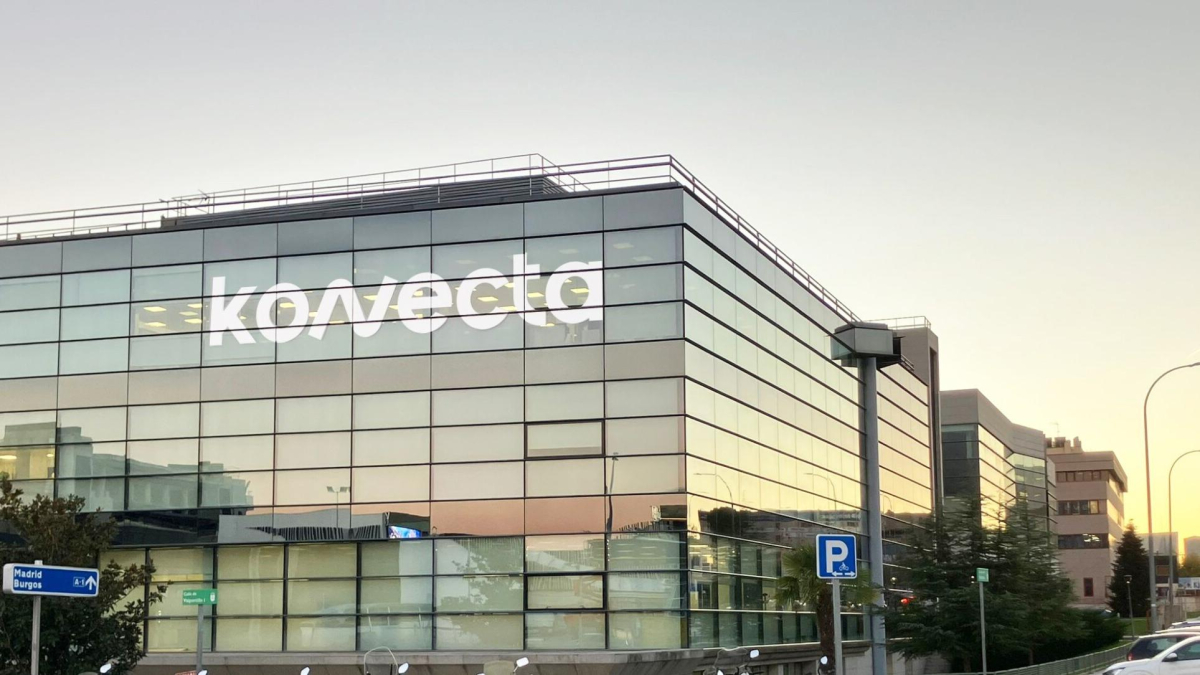
Franklin Templeton and Invesco have sold debt belonging to Konecta, the Spanish call-center giant, to distressed-debt specialists Polus Capital and Fidera Group, according to sources cited by the Spanish business newspaper Expansión. The sales come as Konecta negotiates a restructuring of more than 1 billion euros in debt.
Polus Capital, part of the Italian banking group Mediobanca, and the British firm Fidera Group bought the debt at significant discounts from Benefit Street Partners (BSP), a credit-focused unit of Franklin Templeton, and from Invesco, the sources said. After the deals, BSP has exited Konecta's liabilities completely, while Invesco still holds a stake in the company's debt.
Konecta is a Spanish company that provides outsourced call-center and customer-service operations and is controlled by ICG, a London-listed private equity firm. Franklin Templeton is based in San Mateo, California, and Invesco is headquartered in Atlanta; both are large global asset managers that invest across corporate credit markets. Polus and Fidera, by contrast, are specialist funds that buy the debt of companies in financial difficulty, often at discounted prices, in the hope of profiting once a restructuring is completed.
New seats on the creditors' committee
Following the purchases, Polus and Fidera will join the steering committee of Konecta's creditors, known as the SteerCo, alongside ICG Credit, Invesco, Sound Point and Bluebay. The committee is leading negotiations with the company.
Konecta has proposed converting 70% of its syndicated debt, worth 1.145 billion euros, into equity, a move that would hand ownership of the company to its creditors. People close to the restructuring said the arrival of Polus and Fidera had been viewed positively, since both firms specialize in distressed-debt deals and could be willing to inject fresh capital, known in the industry as new money, into Konecta.
Independent reviews under way
As part of the negotiations, Konecta has hired the US consultancy FTI to carry out an independent review of its short-term cash-flow forecasts. McKinsey has separately been tasked with reviewing the company's strategic plan, which aims to shift Konecta away from a traditional call-center model and toward a hybrid business built around artificial intelligence. The shift mirrors a wider trend across the outsourcing industry, where many call-center operators are blending AI-driven tools with human agents.
This week Konecta said it had won the backing of 76% of the creditors of its parent company for a waiver covering the consequences of a missed interest payment on 26 October. On that date, the company failed to pay a 44 million euro coupon on its syndicated debt.
The missed payment had been agreed in advance with some of Konecta's creditors, who are seeking a financial and capital structure that will keep the company stable over the long term.
What stays outside the deal
A further 250 million euros in bilateral credit lines and working-capital facilities held by Konecta fall outside the scope of the restructuring. Those facilities remain intact and current on their payments. The deadline for negotiating the broader restructuring remains set for 18 December.
What happens next
Konecta's creditors have set 18 December as the deadline to negotiate the restructuring of the company's debt.
Test yourself
Which two funds bought Konecta's debt from Franklin Templeton and Invesco?
What percentage of Konecta's syndicated debt would be converted into equity under its proposal?
How much was the coupon payment Konecta missed on 26 October?
Have your say
Do you think debt-for-equity swaps are an effective way to rescue companies in financial distress?
Where it happened
Madrid, Spain