SpaceX is planning to spend up to $100 billion to build its largest spaceport in Vermilion Parish, Louisiana, for Starship rocket manufacturing and launches.
The proposed complex will include manufacturing facilities, residential housing, and five launch complexes designed to support thousands of annual space missions.
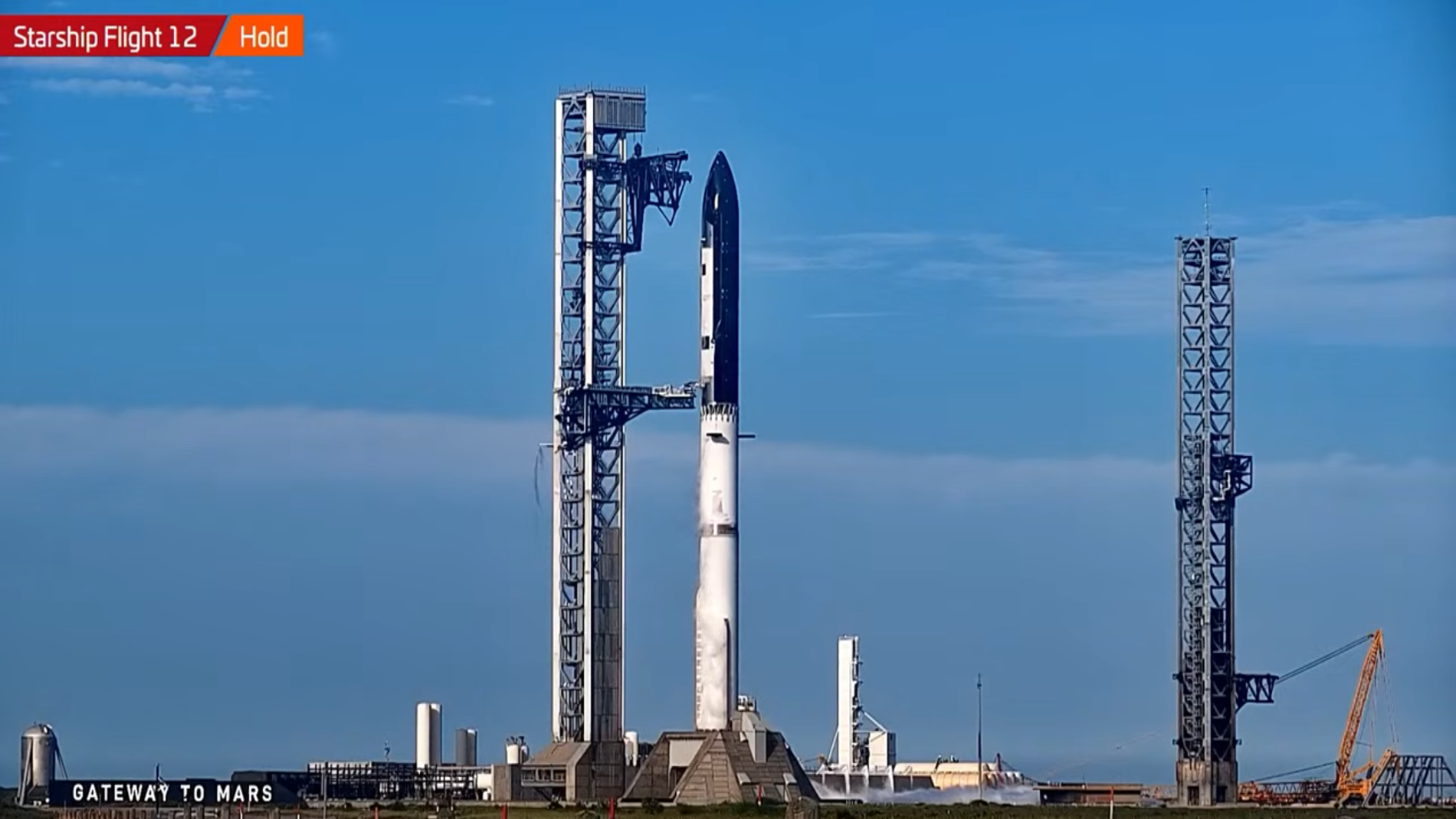
According to a report published by Ars Technica, the development will be situated in the Pecan Island area on approximately 50,585 hectares of land located about 320 kilometers west of New Orleans.
Construction on the site is scheduled to begin in 2027, with the first rocket launch from Louisiana targeted for 2029 under the company timeline.
SpaceX, founded by chief executive officer Elon Musk, is an American aerospace manufacturer and space transportation company. Starship is the company's fully reusable heavy-lift launch vehicle designed for deep space missions. Louisiana is a state in the southern United States along the Gulf of Mexico, and New Orleans is its largest city.
Infrastructure and logistics at Pecan Island
The proposed facility will feature five separate launch complexes, each housing two launch pads and a dedicated propellant farm. In total, the ten launch platforms will allow SpaceX to distribute flight operations for thousands of annual Starship missions.
The site will also contain facilities dedicated to producing rocket fuel, generating electrical power, processing flight vehicles, and housing workers and their families.
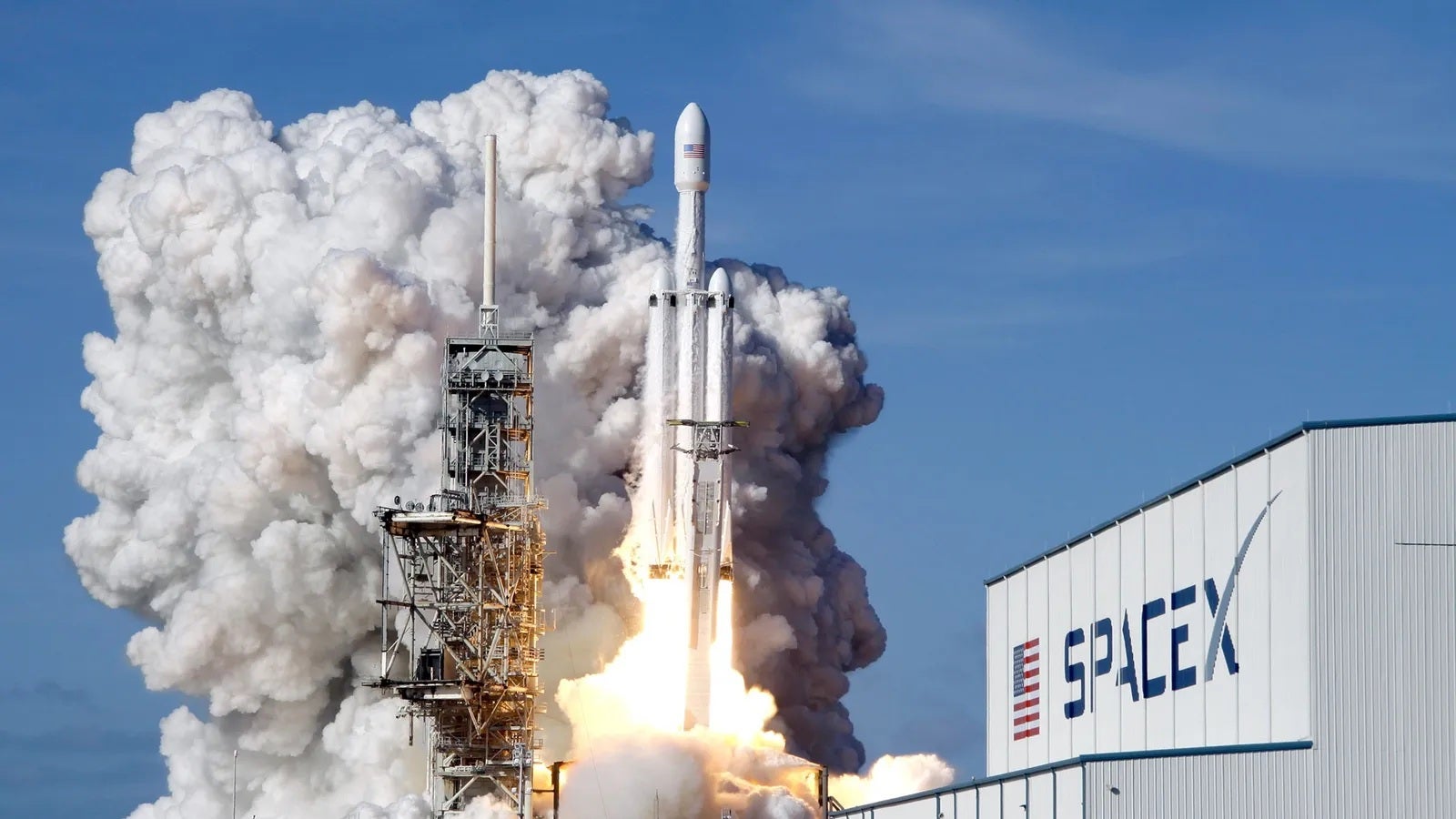
SpaceX selected Pecan Island in part because of its direct access to the Intracoastal Waterway. This maritime link will enable the company to transport Starship rockets and large payloads by barge from its Starfactory production facility in Texas.
Moving large components by water allows SpaceX to avoid relying solely on overland road transport for oversized hardware. In addition, the southward geographical orientation of the Pecan Island site will simplify launches into polar orbits.
The Gulf Intracoastal Waterway is an inland shipping channel running along the Gulf Coast. Starfactory is SpaceX's primary Starship manufacturing complex located at its Starbase facility in Boca Chica, Texas.
Starship development and regulatory approval
The Louisiana spaceport will be larger than SpaceX's existing facilities at Cape Canaveral Space Force Station in Florida, Vandenberg Space Force Base in California, and Starbase in Texas combined. Company officials concluded that its Texas facility alone cannot absorb the high volume of launches planned for the Starship system.
The long-term commercial viability of Starship relies heavily on achieving full vehicle reusability. Expanding launch capacity into Louisiana is intended to accommodate the required flight frequency.
The expansion plan comes as the Starship program continues through a challenging development phase. Earlier this year, a malfunction involving the Super Heavy V3 booster led to an investigation by the Federal Aviation Administration and a temporary pause in flight testing.
Progress on the Louisiana construction timeline will depend on Starship meeting technical milestones and securing required federal regulatory approvals. The FAA is the United States federal agency responsible for regulating civil aviation and commercial space transportation operations.
Economic impact and local financial terms

SpaceX projects that the spaceport will create 3,000 direct jobs over the next decade, with positions paying an average annual salary of $92,600.
State economic agency Louisiana Economic Development estimates that the project will generate an additional 8,100 indirect jobs in the region. State officials calculate that the total employment impact will exceed 11,100 direct and indirect jobs.
Under the financial agreement reached with local authorities, SpaceX will make an upfront payment of $20 million to Vermilion Parish. The company will also pay $25 million annually over a 25-year period through a payment in lieu of taxes structure featuring structured rate increases.
Local authorities estimate that total payments to the parish will exceed $820 million over the life of the agreement. SpaceX will also provide a separate charitable donation of $25 million to the local community.
Environmental concerns and land preservation
Initial discussions between SpaceX and local officials regarding the Louisiana facility began just over six months ago. As part of the initiative, SpaceX will offer local residents discounted access to its Starlink satellite internet service.
Vermilion Parish residents will receive a 50 percent discount on monthly Starlink service fees, and SpaceX will waive initial equipment costs for new subscribers. Starlink is SpaceX's satellite internet constellation providing high-speed broadband coverage globally.
The rapid timeline of the deal has drawn criticism from local environmental group representatives. Anne Rolfes, director of the Louisiana Bucket Brigade, called for formal public hearings and a transparent review process, questioning the speed at which officials approved the project.
Rolfes stated that the lack of an extended public review process remains one of the primary objections raised by community members.
The project land previously belonged to ExxonMobil and was made available through a court settlement that resolved dozens of lawsuits concerning industrial pollution and coastal land loss. The coastal area around Pecan Island currently loses between one and three meters of shoreline per year to erosion.
SpaceX President Gwynne Shotwell stated that the company will build on only a small portion of the 50,585-hectare property. Shotwell said SpaceX plans to preserve the remainder of the site as protected wetlands.
Shotwell added that SpaceX is committed to doing its part to ensure that the coastal land does not disappear into the Gulf. According to the company, the spaceport facilities will occupy a fraction of the area, with remaining lands set aside for environmental conservation and community recreation.