


High maintenance costs, technician shortages, and spare parts bottlenecks are severely restricting the operational availability of F-35 stealth fighter fleets across international armed forces.
The operational challenges come as Poland received five F-35A stealth fighters at its Lask air base, marking a milestone in a defense procurement program that will eventually add 32 of the American-built aircraft to the Polish Air Force.
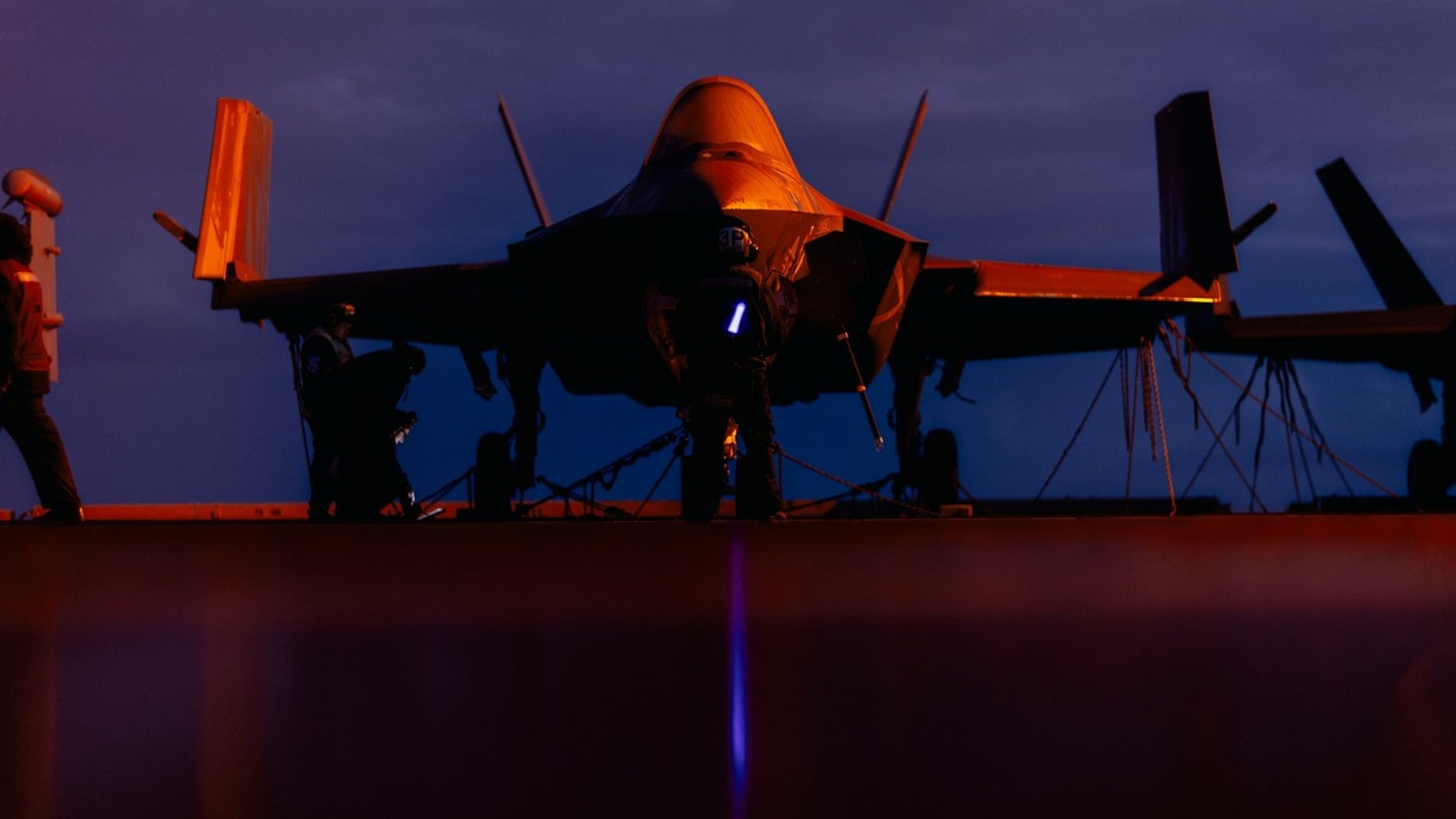
Military aviation analysts stress that delivering a fighter aircraft to a national air force does not guarantee its immediate availability for combat missions. Once delivered, an aircraft requires regular maintenance overhauls, constant replacement parts, and trained technicians, meaning jets frequently spend extended periods grounded awaiting repair.
The difference between possessing military aircraft and actively deploying them represents a vital aspect of defense capability that cannot be measured by total fleet numbers alone. An initial procurement contract covers only the purchase price, leaving long-term military budgets to fund fuel, specialized maintenance, and ongoing technical support to keep each airframe operational.
If sustainment support or supply chains experience disruptions, the number of operational fighters declines even as the total inventory remains unchanged on paper. This gap between acquisition and flight readiness is especially critical for the Lockheed Martin F-35 Lightning II, a fifth-generation stealth multirole fighter aircraft, where advanced combat technology is paired with continuous debate over long-term sustainment expenses.
Acquisition Costs and Flight Readiness
Defense experts note that evaluating combat aircraft based solely on initial purchase price ignores a substantial portion of total service costs. Furthermore, sticker prices fail to reveal how many aircraft can actually launch when operational missions require them.
Expanding fighter fleets requires military planners to design repair workshops and secure supply logistics directly alongside operational air bases. Planners must also invest in protecting airfield facilities, as facility defense forms an integral part of maintaining usable air assets over decades of service.
Continuous technical support is required throughout an aircraft's operational life, meaning the initial price announced during a procurement agreement rarely reflects the total financial commitment needed to keep the fleet flying.
Air power specialist Justin Bronk emphasized this distinction during an interview on the podcast Decoding Geopolitics published on December 18, 2024. Bronk noted that while the F-35 carried a competitive acquisition price compared to rival military aircraft, operating and maintaining the jet over its operational lifespan was substantially more expensive.
Bronk stated that the primary financial burden stems from post-purchase sustainment, particularly the availability of specialized spare parts. He noted that cost comparisons made during that discussion cannot rank all current market offers, because overall procurement costs depend on specific hardware configurations, armaments, and service packages.
European fleet renewal programs also incorporate widely varying equipment standards, spare parts reserves, and maintenance support contracts. Defense analysts emphasize that the detailed contents of each bilateral agreement matter as much as the overall headline figure divided by the number of aircraft ordered.
US Audit Reveals Declining Fleet Readiness
Empirical verification of these operational challenges was documented by the US Government Accountability Office, an independent congressional audit agency, in a report published on June 11, 2026. The audit revealed significant declines in operational readiness across US F-35 fleets between fiscal years 2021 and 2025.
According to the GAO report, the proportion of time the US F-35 fleet was capable of performing at least one assigned mission fell from 67 percent in fiscal year 2021 to 44 percent in fiscal year 2025.
Over the same period, the proportion of aircraft capable of performing all assigned military missions dropped from 38 percent to 25 percent. The GAO noted that these two metrics represent separate indicators of fleet availability, both showing a sharp downward trend.
To remedy the decline in flight readiness, the GAO detailed a comprehensive fleet improvement strategy that will require $13.7 billion in additional funding beyond current projections through fiscal year 2031.
The GAO audit also warned of persistent risks across the defense industrial supply chain. Auditors stressed that allocating additional funding alone does not guarantee defense manufacturers will produce components and deliver them to military repair shops when needed.
Artificial Intelligence and Operational Planning
Bronk noted that the persistent sustainment challenges create a fundamental planning question for defense leaders regarding how many military missions can be sustained given available personnel and budget allocations.
Military research programs are currently developing artificial intelligence systems to predict component failures and schedule maintenance for other defense assets. However, experts emphasize that predicting a mechanical fault and resolving it remain two distinct tasks subject to resource availability and repair turnaround times.
Artificial intelligence tools can flag impending mechanical issues, but software cannot replace physical spare parts, skilled repair crews, or dedicated maintenance bays.
Ultimately, an aircraft's purchase bill and its ongoing service expenses must be evaluated together. Military buyers acquiring advanced stealth aircraft can face severe difficulties keeping enough units ready for flight operations, demonstrating that true return on defense investment is proven by sustained fleet activity rather than delivery numbers listed on a contract.



