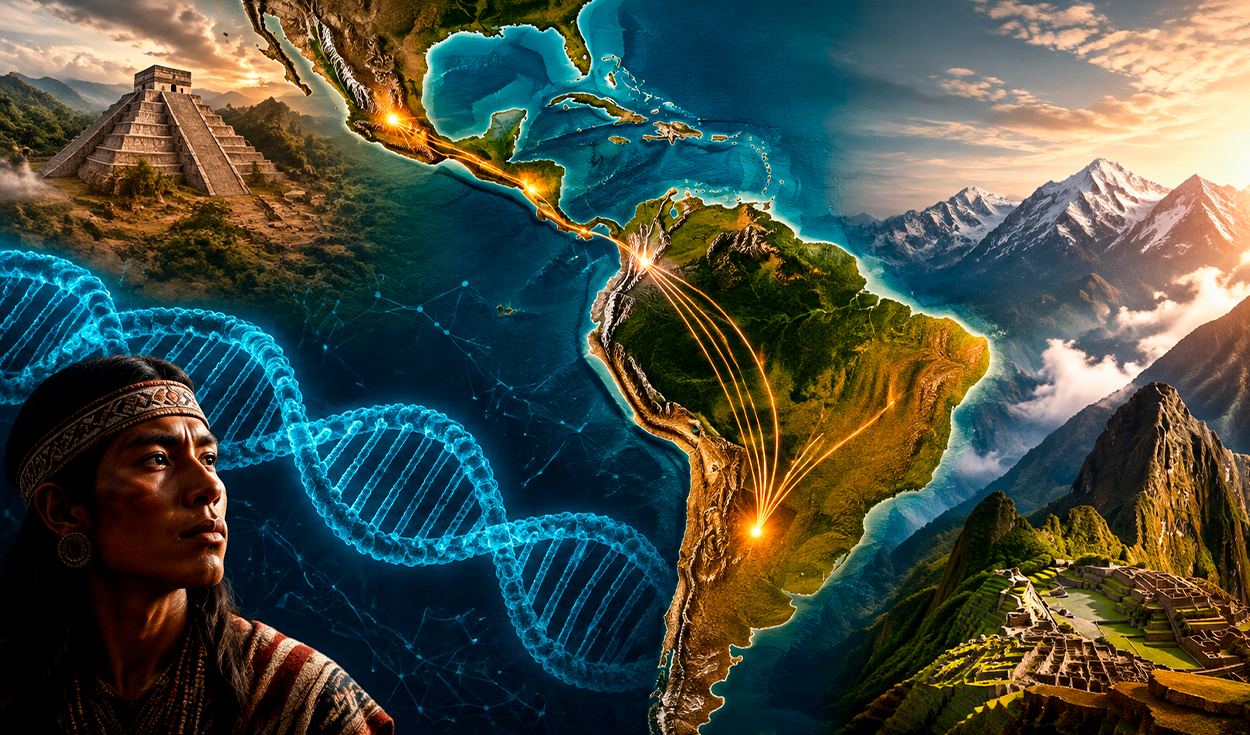
Scientists with the Native American Indigenous Genomic Diversity Project discovered a genetic link between ancient populations in Peru and Mexico, revealing a migration from Mesoamerica.
The study, published in Nature magazine, sequenced and evaluated complete genomes from 53 indigenous communities across eight countries. Co-author Carlos Eduardo G. Amorim said the results provide the most complete vision to date of the genomic diversity and evolutionary history of native peoples, rewriting traditional models about how populations originated and interacted.
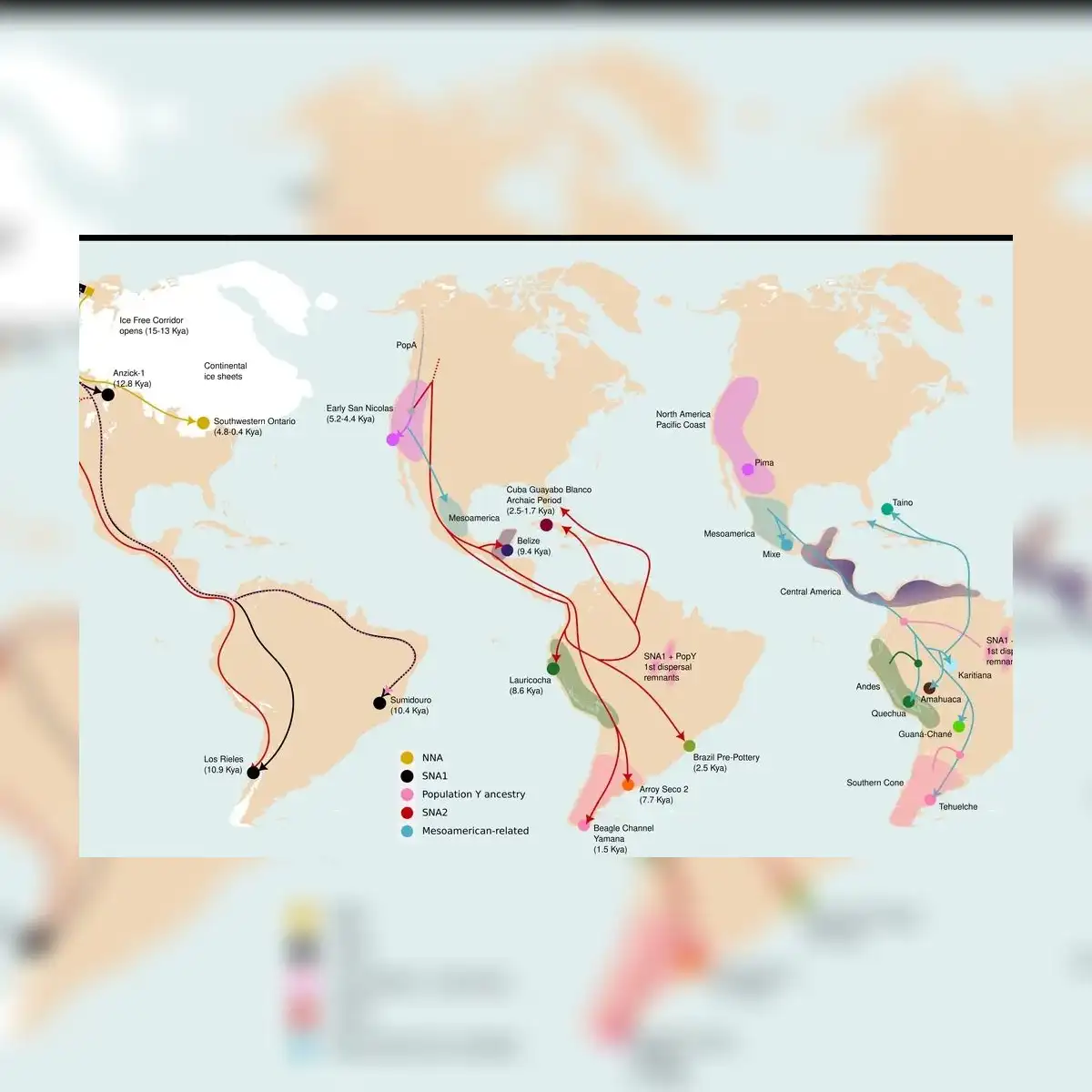
The genetic data demonstrates that two human dispersals are an insufficient model to explain the settlement of South America. Researchers found that the data requires recognizing a third population flow during the late Holocene originating in Mesoamerica. This movement created genetic connectivity between Mesoamerica and South America greater than what would be produced by isolation by distance alone.
By comparing ancient and modern genomes, the team identified a biological contribution that impacted various groups in the southern region and the Caribbean. Traces establish a minimum age of about 1,300 years for this process, although the migration dynamics may have started earlier, confirming constant interaction between both regions over time.
Peruvian genetic heritage and lineage diffusion
In Peru, the evidence does not point to a single isolated trip by one Mexican community, but rather to the gradual diffusion of several lineages. Quechua populations stand out in this scenario, as they preserve a high percentage of earlier local ancestry alongside genetic influences from the North American Pacific coast, proving dynamic prehistoric demographic contacts.
An analysis of 128 previously unpublished genomes revealed 1.43 million genetic variants not registered in databases that compile information from 270,000 individuals. The researchers noted that this finding exposes the historic underrepresentation of indigenous peoples of the Americas in international biomedical records. Expanding this genetic diversity is essential to reconstruct human evolution and achieve accurate genomic diagnoses.
Australasian ancestral signals and evolutionary adaptations
The study found that specific populations, including the Awajun, Ayoreo, Guarani, Karitiana, Surui, Siriono, and Tsimane, display a biological affinity with communities in Australasia. Known as the Ypykuera signal, this genetic footprint existed 10,400 years ago and persisted at low levels for millennia.
The research team also detected adaptive genomic regions involved in immunity, metabolism, and fertility that provided evolutionary advantages in the continental environment. Additionally, the scientists identified genetic contributions from Neanderthals and Denisovans connected to immune defenses and skin integrity.
The study documented population bottlenecks and isolation resulting from European colonization, which were caused by epidemics, enslavement, and wars. Nature summarized that the findings challenge simplified models of American settlement and confirm a highly dynamic evolutionary path across the continent.