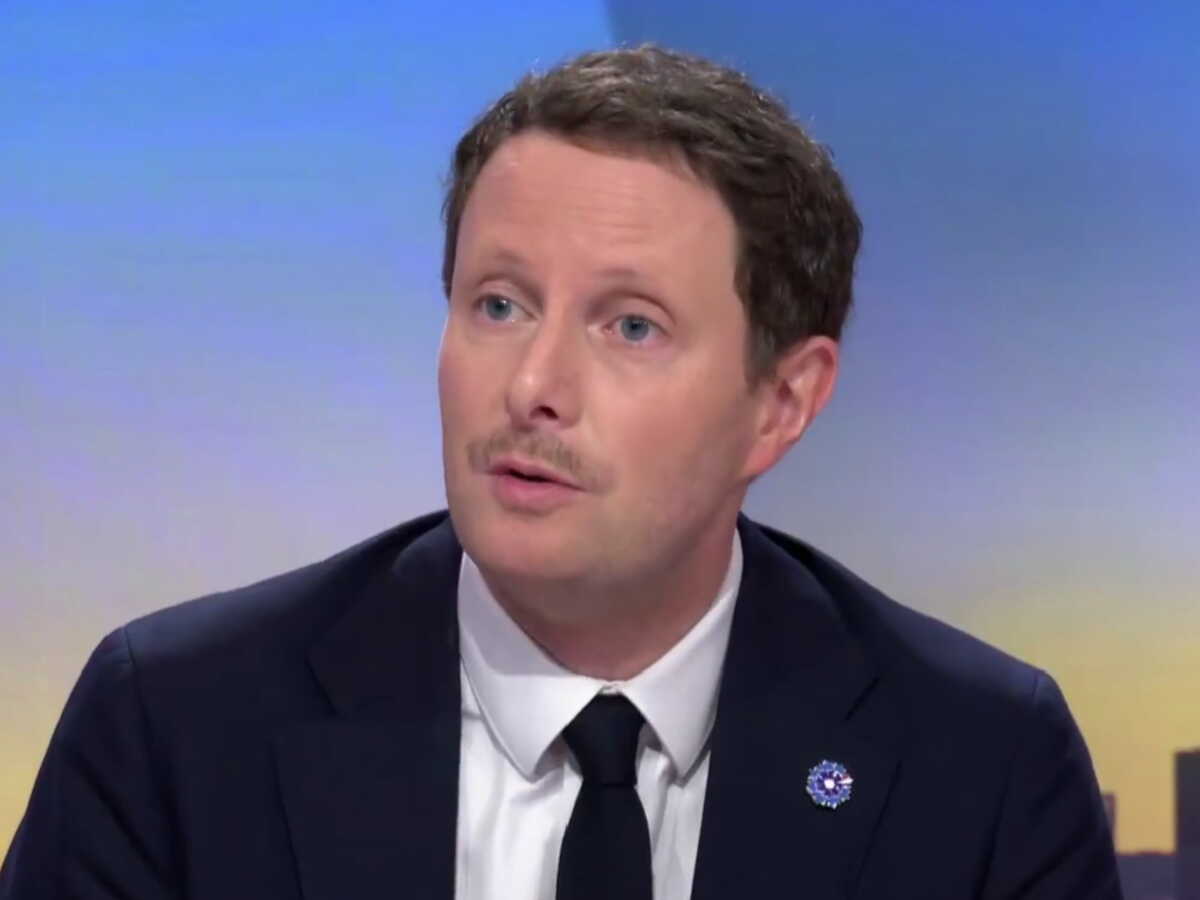
Clément Beaune, France's high commissioner for strategy and planning, said France would not become Greece and would not face the kind of debt crisis that has crippled some European countries, responding on Saturday to a warning from former president Nicolas Sarkozy about a looming financial tsunami.

Sarkozy, who has returned to the political spotlight and could influence the campaign for the next presidential election, said France was dancing on a volcano and that a tsunami threatened the country, possibly even before the vote.
Beaune made his comments on franceinfo on Saturday, 14 November. He said France was not going to become Greece and that there would not be a debt crisis like some European countries had experienced, where governments could no longer finance their debt, and therefore their public services, on the markets. France was not in that situation, he said, adding that the credit rating agencies, which many had expected to downgrade the country, had not done so, and that those agencies were not known for leniency.
Beaune is a former government minister who now heads France's high commissioner for Strategy and Plan, a body that advises on the country's long-term economic and social policy. Sarkozy, who was president of France from 2007 to 2012, has recently re-entered the public debate over the country's finances.
France's debt burden
But Beaune acknowledged that the economic situation remains tense and has driven months of political debate. He said this did not mean the situation was not serious, and that the other danger would be to assume everything was fine. His sense, he said, was that the budget situation was worrying and very serious, and that even without talking about a tsunami, the cost of servicing the debt would be extremely handicapping, with interest rates currently high.
Budget for 2027
Beaune said it was indispensable to adopt a budget for 2027. He said there were reasons for hope, but that if nothing changed between now and 2035 or 2050, France would run a deficit close to 10% of GDP and build up debt close to 200% of GDP, which he said would not be viable.