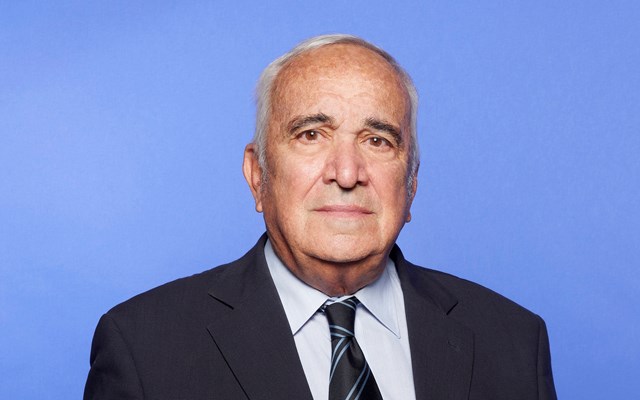
Giorgos Kraloglou, a columnist for the Greek financial news site Capital.gr, wrote in a November 13, 2026 opinion piece that it is almost laughable to take seriously the idea that rents in Greece, including an average of 945 euros for a newly built apartment in central Athens, can be held at that level.
Kraloglou said he personally believed the country had overdone it, inflating property prices and rents from every possible direction to build a market he said would not last. He said this marked the third time Greece had built up and fed this kind of property bubble, after two earlier episodes.
He said that in the rush and noise surrounding real estate, which he said the country had constructed and fuelled itself, Greece had lost sight of the substance of the debate and the seriousness of the arguments needed to support it. He said the country repeatedly fails to see where it is leading this story, which he said continues largely unchecked.
Questions instead of answers
Rather than offer his own conclusions, Kraloglou said he would pose a series of basic questions about the housing and economic debate, in the hope that any answers would produce explanations different from the ones widely assumed.
He wrote that the Greek government had already set out its own path in economic policy and its own underlying beliefs, which he said would not change if it remained in power after the next general election.
Government's economic record questioned
Kraloglou asked what evidence there was, during the terms of Prime Minister Kyriakos Mitsotakis and the interventions of his economic team, of investments capable of changing the profile of the economy and steering it toward new horizons. Mitsotakis has served as Greece's prime minister since 2019, leading the New Democracy party.
He said reservations about stating a clear view on the economy were widespread, coming mainly from producers and from investors active in the domestic market. He said those reservations would likely persist until election day, and that the government's own targets, starting with its focus on productivity, would probably need to be renewed by whichever government follows.
Opposition accused of lacking clarity
Turning to the opposition, Kraloglou said its rhetoric, and that of the wider opposition camp, lacked clarity on its goals. He said opposition parties were still waiting to settle on narratives that would convincingly set out their priorities, their economic planning and how they intend to put it into practice.
He said such plans needed to hold up and deliver results quickly, in a way that would also attract investment from Greece's business community.
Energy costs and job security
Kraloglou said that over the past four to five years, Greece had shown only defensive measures against what he called an ongoing energy war, one he said was already wearing down the country's middle and small classes, which he put at 95% of the economy.
He said none of this had produced any visible prospect of workers gaining secure jobs that would last a lifetime.
Bank deposits draining out
Kraloglou pointed to what he called an unexplained phenomenon playing out in the present day: private deposits emptying out of Greek banks, even as there is no sign in the economic climate of optimism about potential private investment returning.

He said there was a message behind all of this, one that gave his column its title, "With Grandfather's Pension?" He said the informal arrangement by which families rely on a grandfather's pension income remains in place for many households.
He said deposits had no reason not to flow back into Greek banks once the outlook for the economy began to look convincing. He said that would not happen as long as Greece stuck to its own economic model, one in which the economy opens not the doors of state control but, every so often, only a small window.