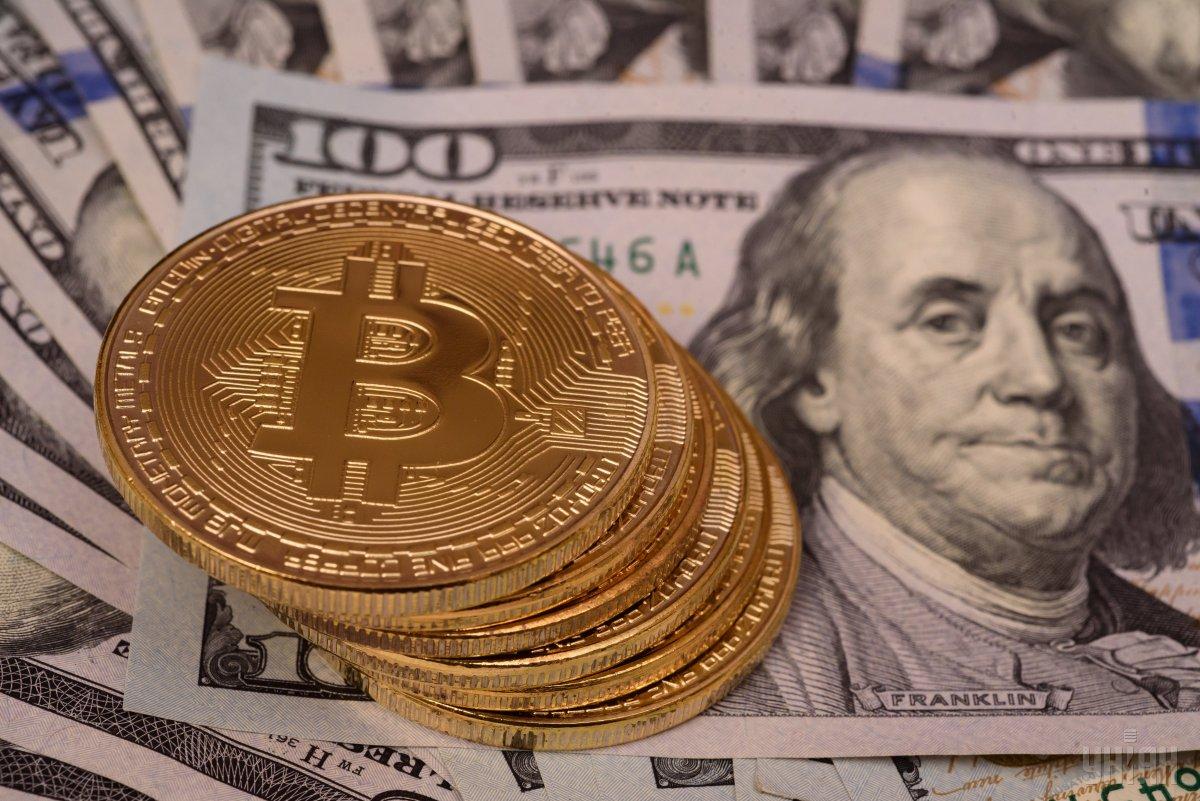
Bitcoin has climbed above $81,000 for the first time since mid-May, driven by a weakening US dollar and new policy measures from the US Department of the Treasury to stabilize the long-term government bond market, according to Reuters.
During the Asian trading session, the cryptocurrency reached an intraday high of $81,237.94 before settling at $80,323.24. Bitcoin has gained 28 percent since the beginning of August, putting the digital asset on track for its largest monthly price increase since November 2024.
The market rally gained momentum after the US Department of the Treasury unveiled plans last week to buy back more long-term government bonds in an effort to curb rising yields. The move heightened investor concerns regarding potential devaluation of the dollar.
Treasury policy and market reaction
Tim Sun, a senior researcher at digital asset platform HashKey Group, said the announcement from the head of the US Treasury reinforced market expectations that American officials will show less tolerance for further long-term paper yield growth at least until the midterm elections. Sun noted that this approach creates a relatively favorable macroeconomic backdrop for assets including bitcoin and gold, with gold also climbing to a three-month high due to dollar weakness.
Geoff Kendrick, global head of digital assets research at banking group Standard Chartered, said the Treasury announcement was precisely the type of development bitcoin thrives on, adding that the cryptocurrency was created specifically to give investors a way to avoid such government intervention.
Tony Sycamore, a market analyst at brokerage firm IG, said the Treasury statement prompted investors to rush into physical and digital assets as devaluation fears intensified. Sycamore added that a sustained break above current price levels would open the path toward $95,000 to $100,000.
Recent performance and market outlook
The recent surge marks a recovery from July, when bitcoin fell to a 21-month low driven by expectations of higher US interest rates and market anxiety over the token strategy of a major corporate buyer.
Market analysts previously noted that any easing of geopolitical tensions could support risk assets such as cryptocurrencies, particularly if reduced conflict leads to lower crude oil prices and reduced inflation expectations.