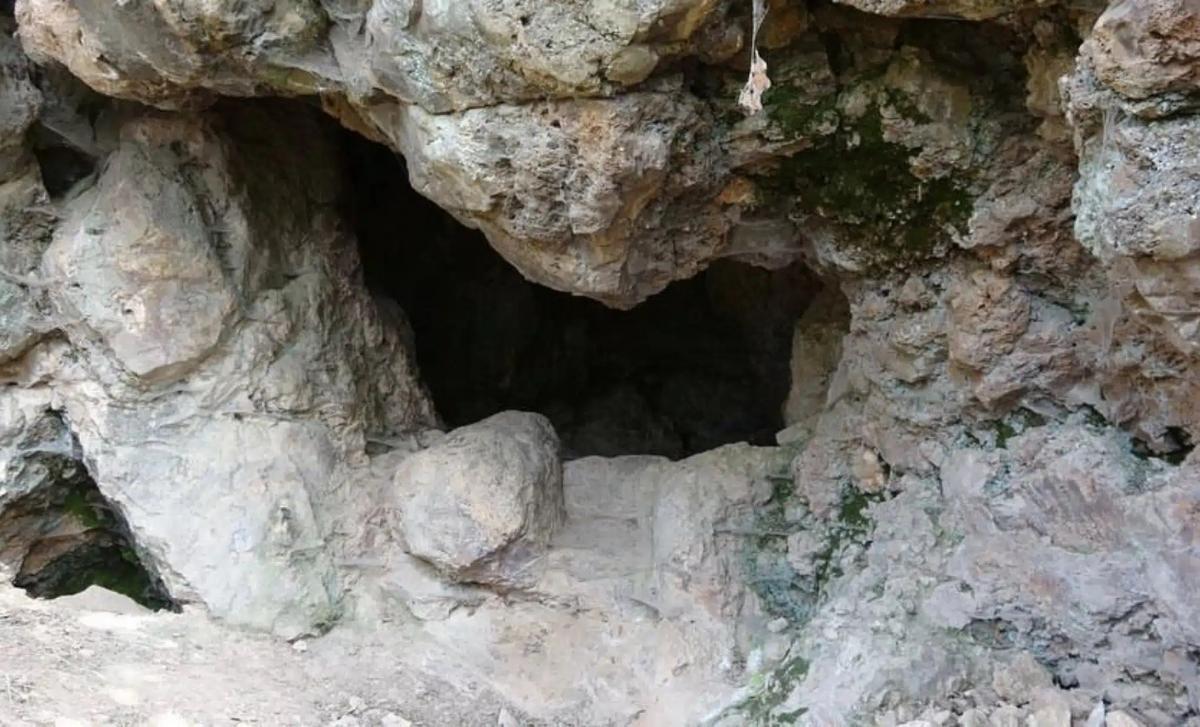
Archaeologists working at Inkaya Cave in northwestern Turkey have uncovered evidence of human presence dating back 86,000 years, along with hundreds of flint tools that shed light on how Middle Paleolithic people used the site.
The cave is located near the village of Bahadirli in the Can district of Çanakkale province. Since its discovery in 2016, six years of excavations have established it as a significant archaeological site. Researchers are studying how prehistoric populations moved between Anatolia and the Balkans during the Paleolithic period.
The site was first identified during a survey led by Ismail Özer from the paleoanthropology department at Ankara University. The most recent excavations, conducted by a team of 20 specialists, focused on the eastern slopes of the cave, where the oldest dated remains were found.
Özer said the discoveries changed the understanding of Çanakkale's prehistoric significance, since the province had previously been thought to hold limited evidence of Paleolithic life. He also said Çanakkale had proven to be one of Turkey's richest provinces for Paleolithic finds.
Tools built for varied tasks
The flint artifacts vary in shape and size, suggesting they were made for different purposes. Among the finds is a serrated tool that researchers believe may have functioned like a modern saw. Other tools appear to have been designed with handles, possibly attached to branches, bones, or animal horns using resin.
The ancient craftspeople shaped stone by thinning sections and modifying edges to create workable surfaces. The tools may have been used for tasks such as digging or scraping animal hides. According to a press release cited by Archaeology News, the exact functions of the objects are still being studied, and future microscopic analysis may reveal usage traces.
Researchers say the cave likely attracted prehistoric groups because it offered two key resources: flint for tool-making and access to water. Unlike many archaeological sites where raw materials had to be transported from elsewhere, inhabitants of Inkaya Cave could obtain flint directly from the surrounding environment.
No organic remains have been found at the site. The absence of human bones, animal material, or plant matter means stone artifacts currently provide the only evidence of how people lived in and used the cave.