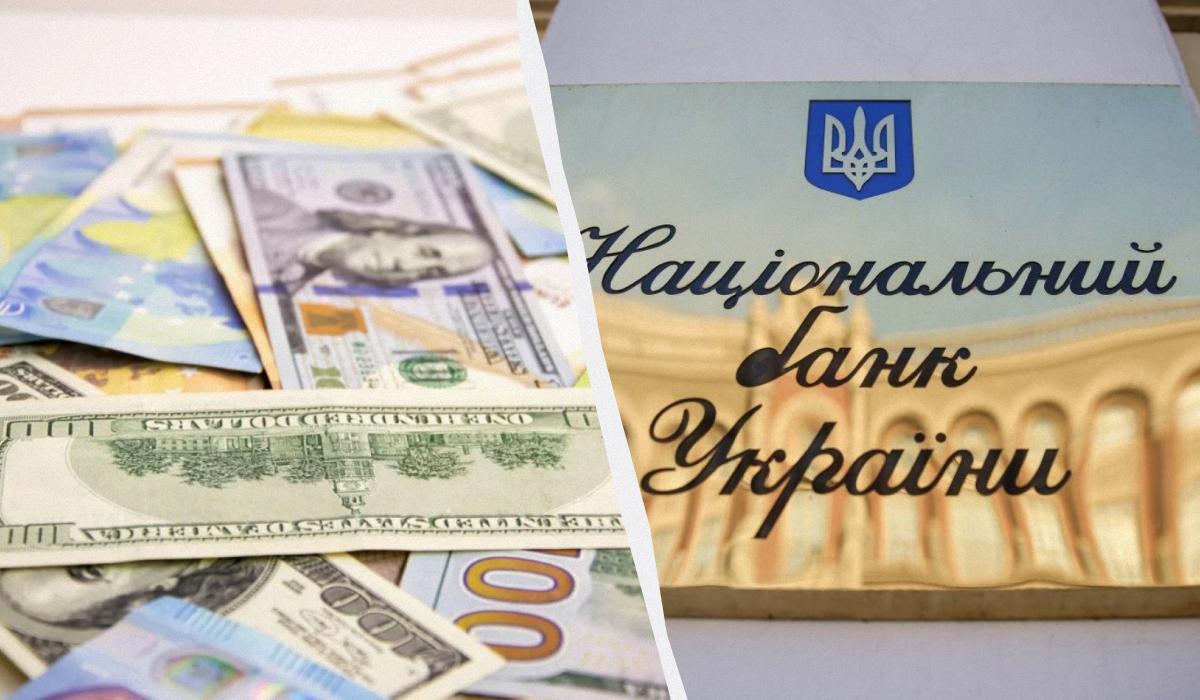
Ukraine's National Bank has calculated that increases in public transport fares and cold water supply charges will add roughly 0.5 percentage points to overall inflation in 2026, according to the bank's deputy governor.
Volodymyr Lepushynsky told a Wednesday briefing that transport fare rises across several cities and regions had already contributed about 0.3 percentage points to inflation. In Kyiv, where the metro fare rose from 8 hryvnias to 30 hryvnias, the contribution to overall inflation was around 0.1 percentage points. Water utility price increases already approved by local councils were expected to add a further 0.2 percentage points by the end of the year.
The bank's updated projections show inflation accelerating from 7.2% recorded in June to 10% by the end of 2026. In response to the quickening pace of price growth, the National Bank raised its key policy rate to 15.5%, a move that analysts had not anticipated.
The regulator forecast that inflation would begin to fall in 2027, easing to 6.9%, before reaching its 5% target at the end of 2028. The bank said that gradual reductions in the budget deficit, easing pressure in the labour market, expected improvements in harvests, and a better energy situation as security risks decline would all help bring inflation down, alongside its own monetary policy measures.
Ukraine has also committed to the International Monetary Fund to gradually raise gas, electricity and heating tariffs for households to levels that cover costs, while providing targeted support for vulnerable families. Those adjustments are also expected to affect the pace of inflation.