Ukraine has accumulated enough natural gas to cover its basic needs for the upcoming winter heating season, Energy Minister Denys Shmyhal announced on August 28.
Ukrainian underground storage facilities currently hold 14.6 billion cubic metres of gas, reaching the target fill level a month ahead of schedule, according to Shmyhal. He expressed gratitude to workers in the energy sector for their efforts and stated that the nation is fully prepared for the 2026 to 2027 autumn winter period regarding its fuel reserves.
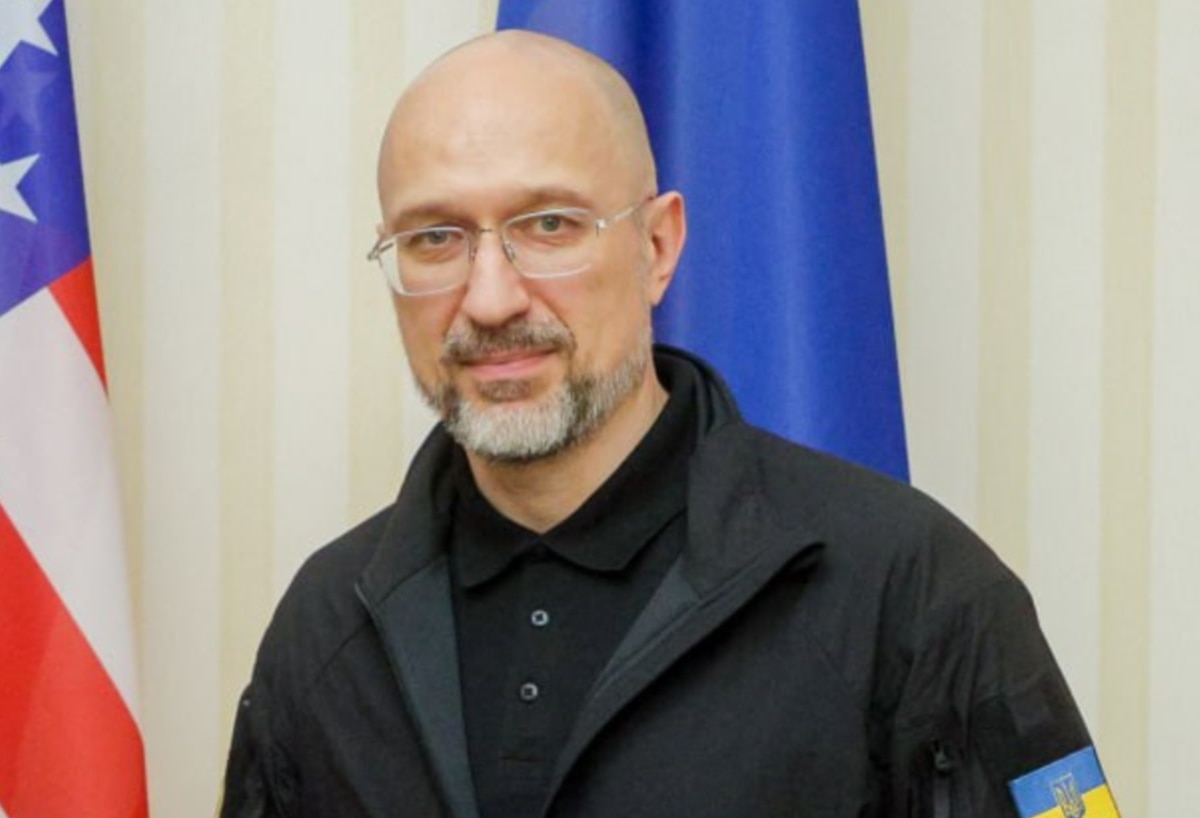
The minister added that government agencies and energy utility teams are continuing work in other operational areas to bolster energy security.
Ukraine relies on an extensive network of underground gas storage facilities to maintain heating and power generation during cold months. These storage sites, which are among the largest in Europe and the third largest globally, are located primarily in western regions of the country. Managed by state energy infrastructure operators, they allow grid networks to store natural gas underground during warmer periods and draw upon reserves when winter energy demand spikes across homes and businesses.
The official autumn winter heating season in Ukraine typically runs from mid October through mid April. During these six months, municipal district heating grids supply hot water and central heating to millions of residential apartments, public schools, and medical facilities, making preseason gas accumulation a critical milestone for government utility planners.
Russian strikes on national energy infrastructure
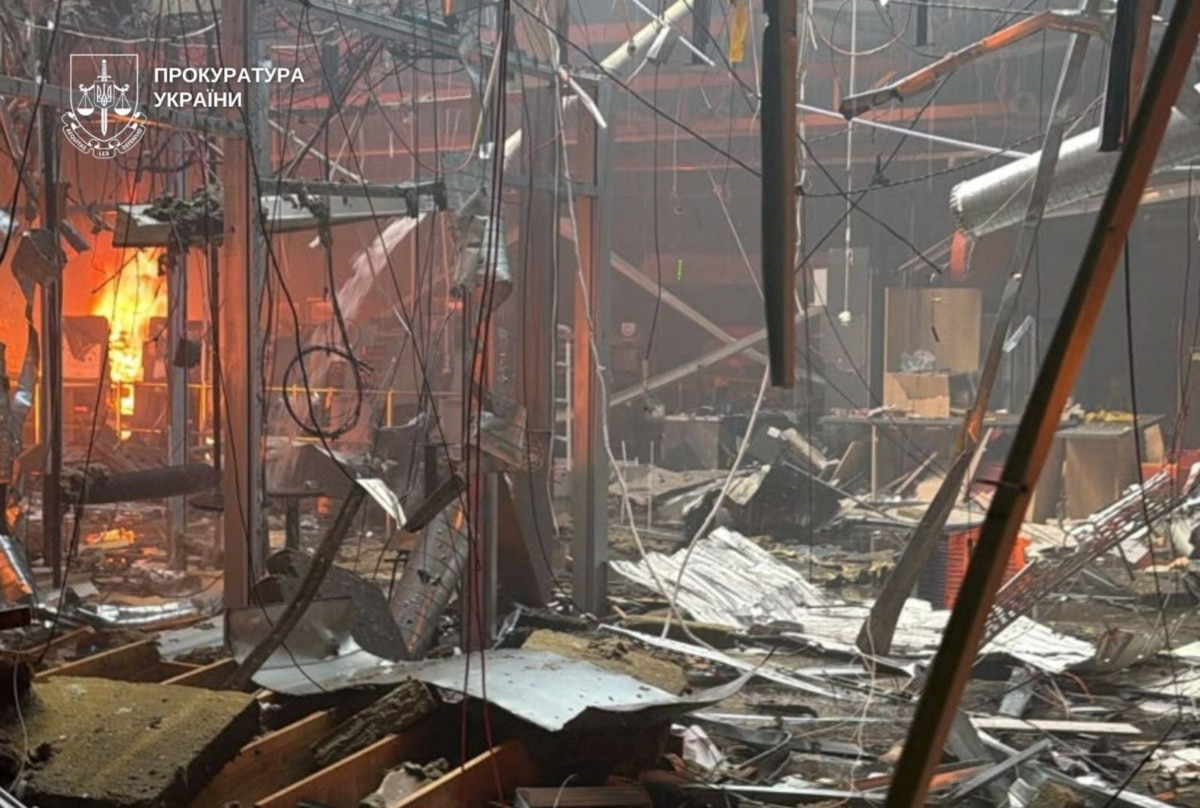
The accumulation of gas reserves comes against the backdrop of sustained military attacks against the country energy infrastructure. Russian forces have targeted Ukrainian power plants, gas facilities, and electrical transmission systems since launching a full scale invasion in February 2022.
A renewed escalation began in the autumn of 2025, when Russian troops intensified shelling against energy installations across Ukraine. The ongoing bombardment has inflicted recurring damage on domestic power networks and regional heating utilities.
The Security Service of Ukraine, known as the SBU, serves as the main domestic security and law enforcement agency of the Ukrainian state, responsible for investigating security threats and war crimes. The agency has officially classified Russian strikes on energy targets as crimes against humanity. According to the SBU, investigators have documented at least 256 Russian air attacks on Ukrainian energy facilities and heat supply systems since the start of the current heating season.
Diplomatic disputes over energy targets
Russian officials have publicly denied mounting intentional strikes on civilian targets. In early February 2026, Russian Foreign Minister Sergei Lavrov claimed that Russia had not initiated attacks against civilian infrastructure, asserting instead that Ukraine had been the first to launch strikes on Russian energy targets.
Sergei Lavrov has served as the Minister of Foreign Affairs of the Russian Federation since 2004, acting as the primary international spokesperson for Russian foreign policy. Energy infrastructure has remained a major point of contention in official statements, with international humanitarian organisations warning that widespread damage to heating networks during severe winter weather creates life threatening conditions for civilian populations.
Ukrainian authorities and utility operators are continuing work on physical defense measures and infrastructure repairs to maintain grid stability and heat supplies as the country enters the cooler autumn months.