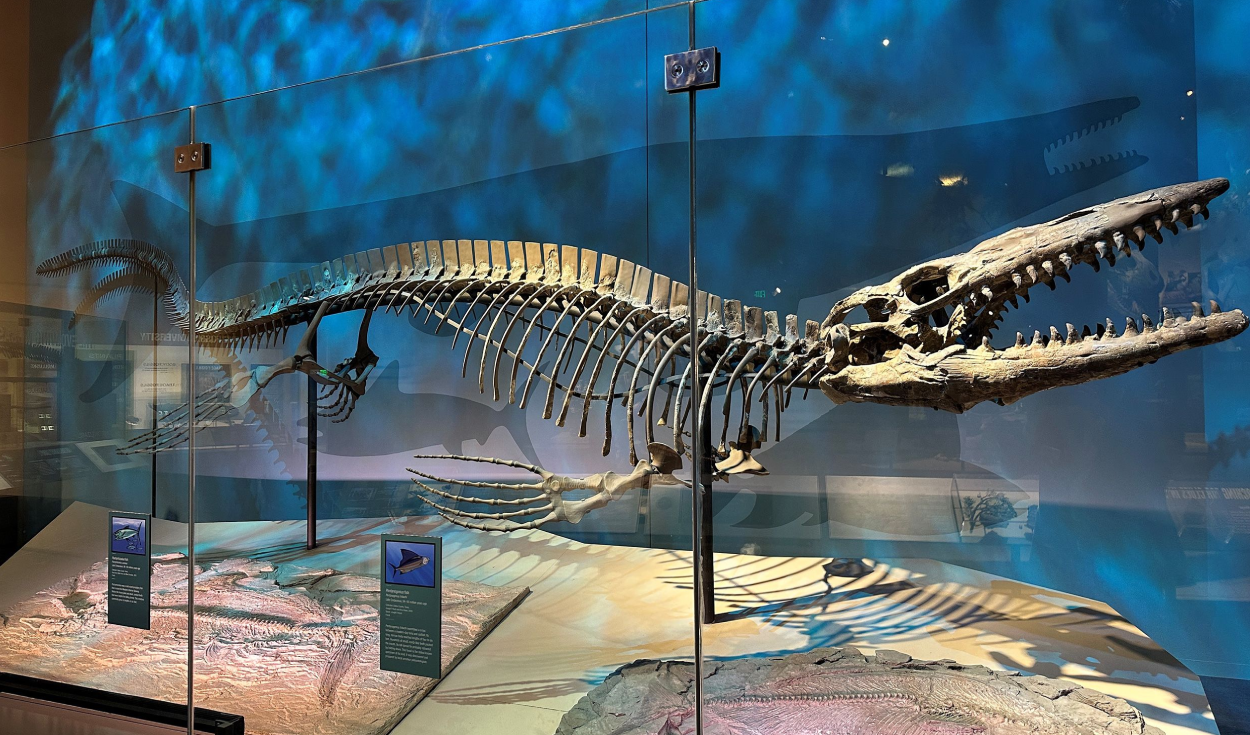
Paleontologists have identified a new giant marine reptile species named Tylosaurus rex after re-evaluating prehistoric fossils found primarily across Texas. The massive ocean predator grew up to 13.2 metres long and hunted during the Late Cretaceous period roughly 80 million years ago.
Equipped with powerful jaws and finely serrated teeth, the newly classified creature was significantly more aggressive than its closest relatives. The discovery corrects earlier scientific misclassifications, distinguishing the Texas specimens from fossils long attributed to another mosasaur species.
The redefinition began when Amelia Zietlow, a paleontologist at the American Museum of Natural History in New York, re-examined a fossil that had previously been miscataloged as Tylosaurus proriger. Zietlow compared more than a dozen specimens stored across various research institutions before confirming that the Texas fossils belonged to an entirely distinct species.
The team detailed its findings in a study published in the Bulletin of the American Museum of Natural History. Zietlow, the lead author of the research, said that everything is bigger in Texas, adding that the rule appears to apply to ancient mosasaurs as well.
Mosasaurs were a group of large, carnivorous marine reptiles that dominated global ocean ecosystems during the final era of the dinosaurs. While they lived at the same time as dinosaurs, mosasaurs were not dinosaurs themselves, but were instead aquatic relatives of modern lizards and snakes, such as monitor lizards and Gila monsters.
Anatomy of a Cretaceous ocean predator
Members of the tylosaurine subfamily typically possessed long tails, toothless snouts, and relatively weak limbs adapted primarily for steering in open water. However, Tylosaurus rex stood out even within its formidable family due to its enormous size and unusual dental structure.
Unlike most marine reptiles, which evolved smooth or conical teeth suited for catching slippery fish, Tylosaurus rex featured finely serrated teeth. The saw-like edges enabled the predator to tear efficiently through the flesh and bone of large marine prey.
The predator also possessed powerful neck and jaw musculature that allowed it to capture substantial prey and battle rivals. Ron Tykoski, curator of vertebrate paleontology at the Perot Museum of Nature and Science in Dallas, said that besides being roughly twice the size of the largest great white shark, Tylosaurus rex appeared to be a much fiercer animal than other known mosasaurs.
Prehistoric habitat in North America
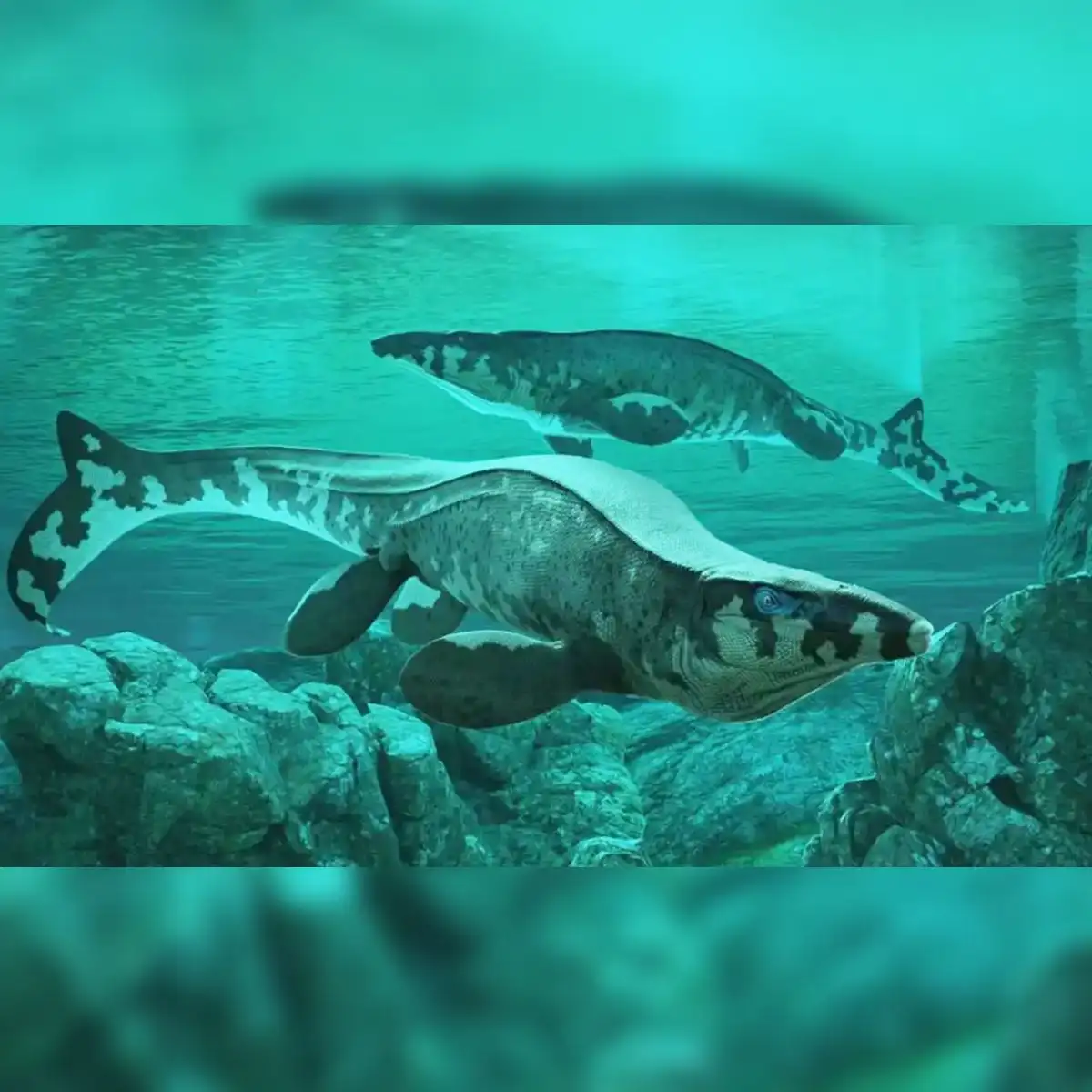
During the Late Cretaceous epoch, a vast body of water known as the Western Interior Seaway split the continent of North America into two landmasses. The shallow, warm marine corridor stretched from the Gulf of Mexico to the Arctic Ocean, creating a rich ecosystem where top predators like Tylosaurus rex hunted.
Fossil evidence of violent territorial conflicts
The reclassification relied on several notable fossil specimens that revealed fierce behavior among the creatures. One key fossil, known as The Black Knight, features a fractured lower jaw and is missing the tip of its snout, providing clear physical evidence of intra-specific aggression, or combat between members of the same species.
Researchers also examined historic specimens, including Bunker, which was uncovered in 1911 and is kept at the University of Kansas in Lawrence. Another major specimen, named Sophie, is currently housed at the Yale Peabody Museum in New Haven, Connecticut. Together, these specimens demonstrated violent territorial behaviors that had never been documented in other Tylosaurus species.
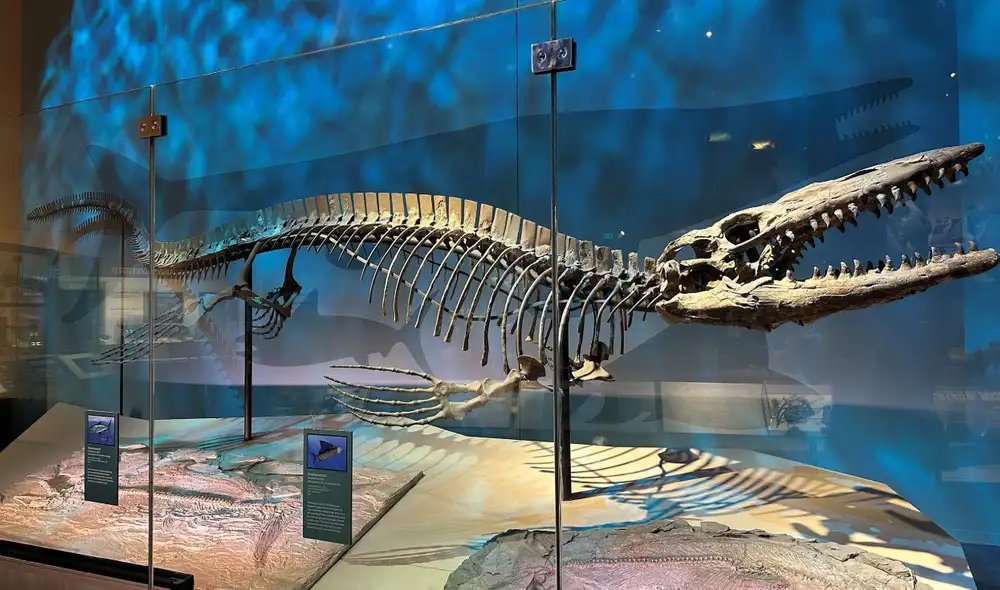
The analysis showed that while fossils of Tylosaurus proriger came mainly from Kansas, the newly designated Tylosaurus rex was slightly younger and inhabited the marine waters of Texas. A specimen of Tylosaurus rex is currently on display for the public at the Perot Museum of Nature and Science in Dallas.