

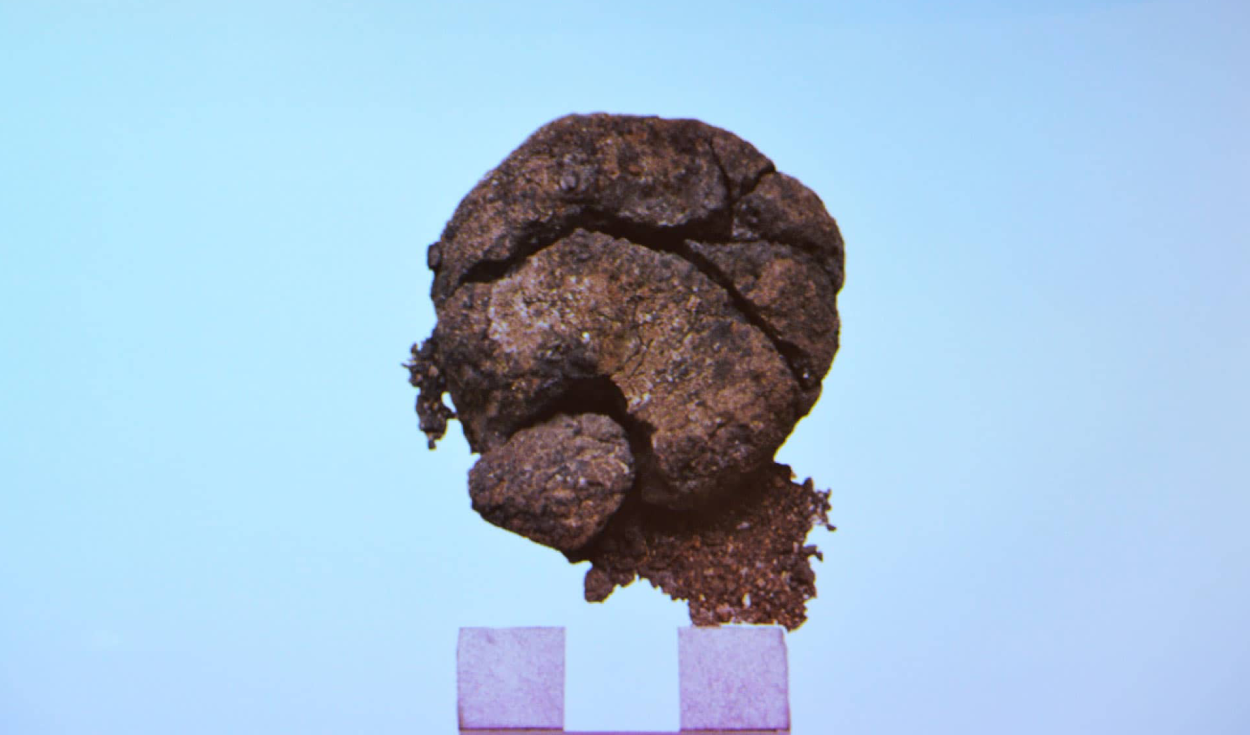
Archaeologists from Necmettin Erbakan University have found a surprisingly well-preserved 8,600-year-old fragment of fermented bread dough at the Çatalhöyük site in central Turkey. The spongy specimen has a porous structure and even retains a visible fingerprint on its surface.
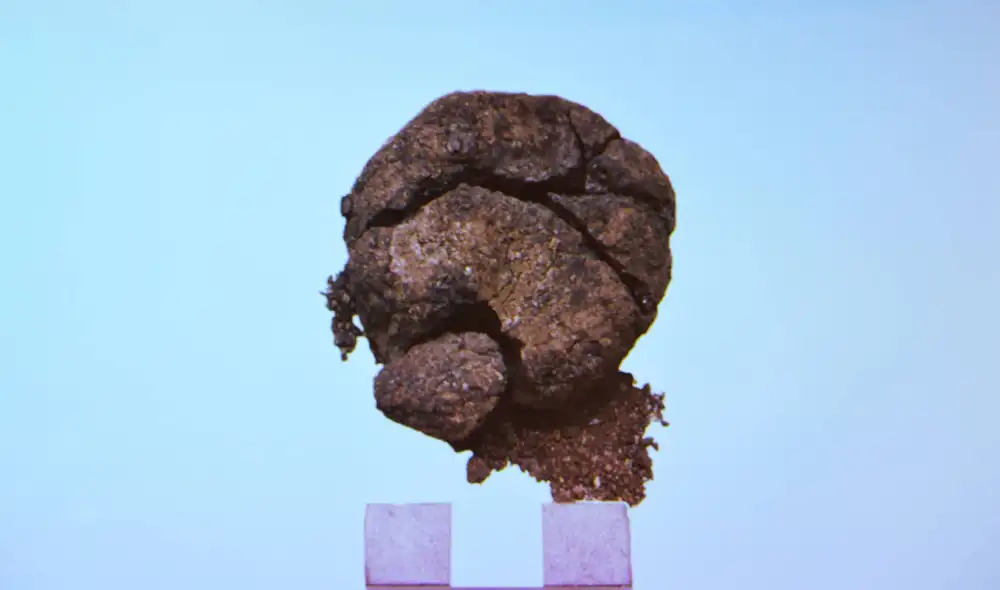
The discovery took place in 2021 in an area designated as Mekan 66. Researchers excavating an ancient building uncovered an oven surrounded by seeds of wheat, barley, and peas, alongside the unusual lump of dough.
Dough analysis and preservation
Scientists examined the composition of the sample using electron microscopy. The scans revealed a structure filled with small cavities, starch remains, and other markers associated with grains and fermentation.
The analysis led researchers to identify the object as a probable fermented bread dough that was never baked. The piece dates back to around 8,600 years ago, or roughly 6600 BC, when Çatalhöyük served as one of the major Neolithic settlements in Anatolia.
Neolithic baking techniques
The artifact was discovered right beside the site where it would have been baked, though archaeologists do not know why it never went into the oven. It may have been abandoned or discarded, or later events may have contributed to its survival over thousands of years.
Agricultural communities in Çatalhöyük raised livestock and cultivated crops such as wheat and barley. The finding demonstrates that these early farmers did not only process harvested grains, but also experimented with methods to alter dough prior to cooking.
While older bread-like food remains from around 14,400 years ago have been uncovered in Jordan, the Çatalhöyük piece is notable for its size. Researchers emphasized that it stands out for preserving a relatively large portion of uncooked dough showing signs of fermentation.



