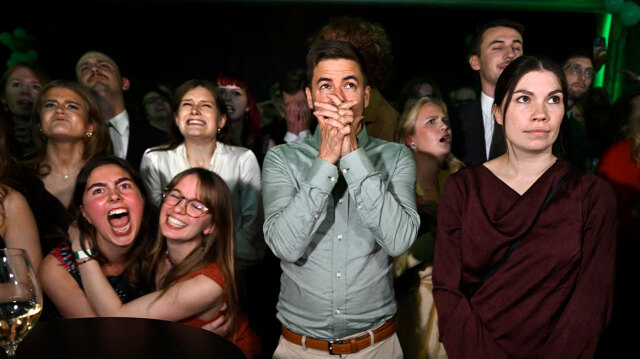
Sweden's opposition bloc, led by Magdalena Andersson, held a razor-thin lead of 175 seats to 174 over Prime Minister Ulf Kristersson's governing bloc, according to the latest forecast from public broadcaster SVT, as real votes began overturning the picture painted by exit polls.
The gap between the two sides had narrowed to a single seat, with turnout estimated at more than 80% of the electorate. What had looked like a clear center-left win when polls closed had turned into an election thriller that could be decided by the final seat counted.
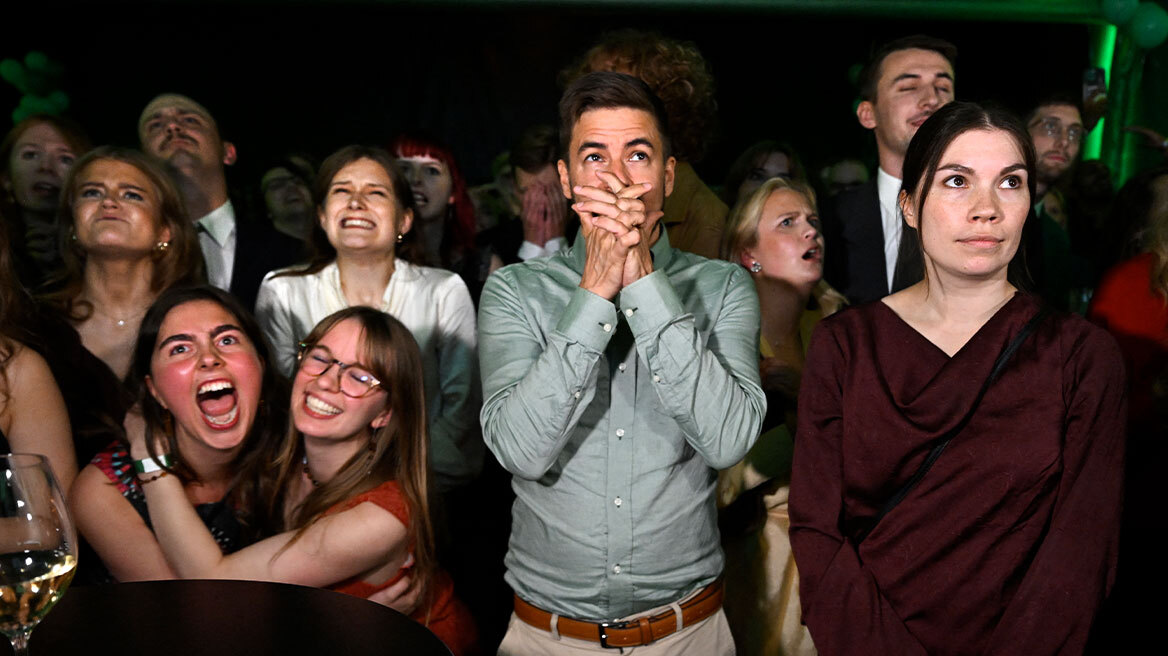
Exit polls published immediately after voting ended had shown a clear lead for Andersson's opposition. SVT's initial survey gave the four opposition parties 183 seats against just 166 for the parties backing the Kristersson government.
That picture began shifting sharply once actual ballots were factored in. SVT's updated forecast, published around 21:45 local time (22:45 in Greece) and combining counts from roughly 10% of electoral districts with the broadcaster's prediction model, cut the margin to the near-even 175 to 174 split. Earlier still, as the first district results arrived, the count had briefly swung in favor of the right, underscoring how fluid the race remained through the night.
Social Democrats slip, Moderates climb
The shift also showed up in the parties' individual vote shares compared with the initial exit polls. In SVT's newest forecast, Andersson's Social Democrats remained the largest party with 27.6%, down from the 28.4% the original exit poll had given them.
Kristersson's Moderates appeared strengthened at 20%, taking second place and moving ahead of the Sweden Democrats. The result carries particular political weight for Kristersson, since before the election there had been intense speculation that Jimmie Åkesson's far-right party could overtake the Moderates as the strongest force on the right.
The far-right Sweden Democrats were limited to 17.5% in the same forecast. They were followed by the Left Party on 8.2%, the Centre Party on 7.1%, the Christian Democrats on 6.3% and the Greens on 6.2%.
Liberals hold the key
One of the most decisive factors of election night was the Liberal Party, which had faced a real risk of falling out of parliament altogether before voting began.
The threshold for entering Sweden's parliament is 4%, and a failure by the Liberals to clear it would have stripped valuable seats from Kristersson's bloc, making it extremely difficult for him to stay in power. In SVT's latest forecast, however, the party stood at 5.5%, comfortably above the threshold, a result that gave the right-wing bloc significant relief and helps explain why the exit polls' large early gap shrank so quickly.
What the result could mean
The election will determine whether Kristersson secures a second term as prime minister or whether Andersson returns to power four years after her defeat in the 2022 election.
Kristersson has governed since 2022 with the Moderates, Christian Democrats and Liberals, relying on parliamentary support from the Sweden Democrats. Ahead of this election he had opened the door to formal participation by Åkesson's party in government, which would mark the first time that has happened in the country's modern political history.
Andersson, for her part, is seeking to build a majority with the support of the Social Democrats, the Left Party, the Greens and the Centre Party. Even if her bloc wins, differences among those four parties point to difficult negotiations over forming a government.
The only certainty for now is that the initial sense of a comfortable center-left victory has evaporated. Sweden's Riksdag has 349 seats, with 175 needed for an absolute majority, meaning a single seat could determine who governs the country for the next four years.
Counting was continuing, and Sweden's Election Authority has clarified that the night's results are preliminary. The final count is expected on Monday, with the official result expected to be certified later in the week.