Spain will experience a total solar eclipse on Wednesday, August 12, 2026, creating the most significant sunset in over a century across the Iberian Peninsula. Physicist José Luis Crespo said Spain will have three consecutive solar eclipses, including two total eclipses and one annular eclipse. Spain will be the best country in the world to view the event on August 12.
The total eclipse will be visible in locations from La Coruña to Palma, passing through Oviedo, León, Bilbao, and Zaragoza. The astronomy website of the National Geographic Institute (IGN) has released a guide to help observers safely view the Sun during the phenomenon.
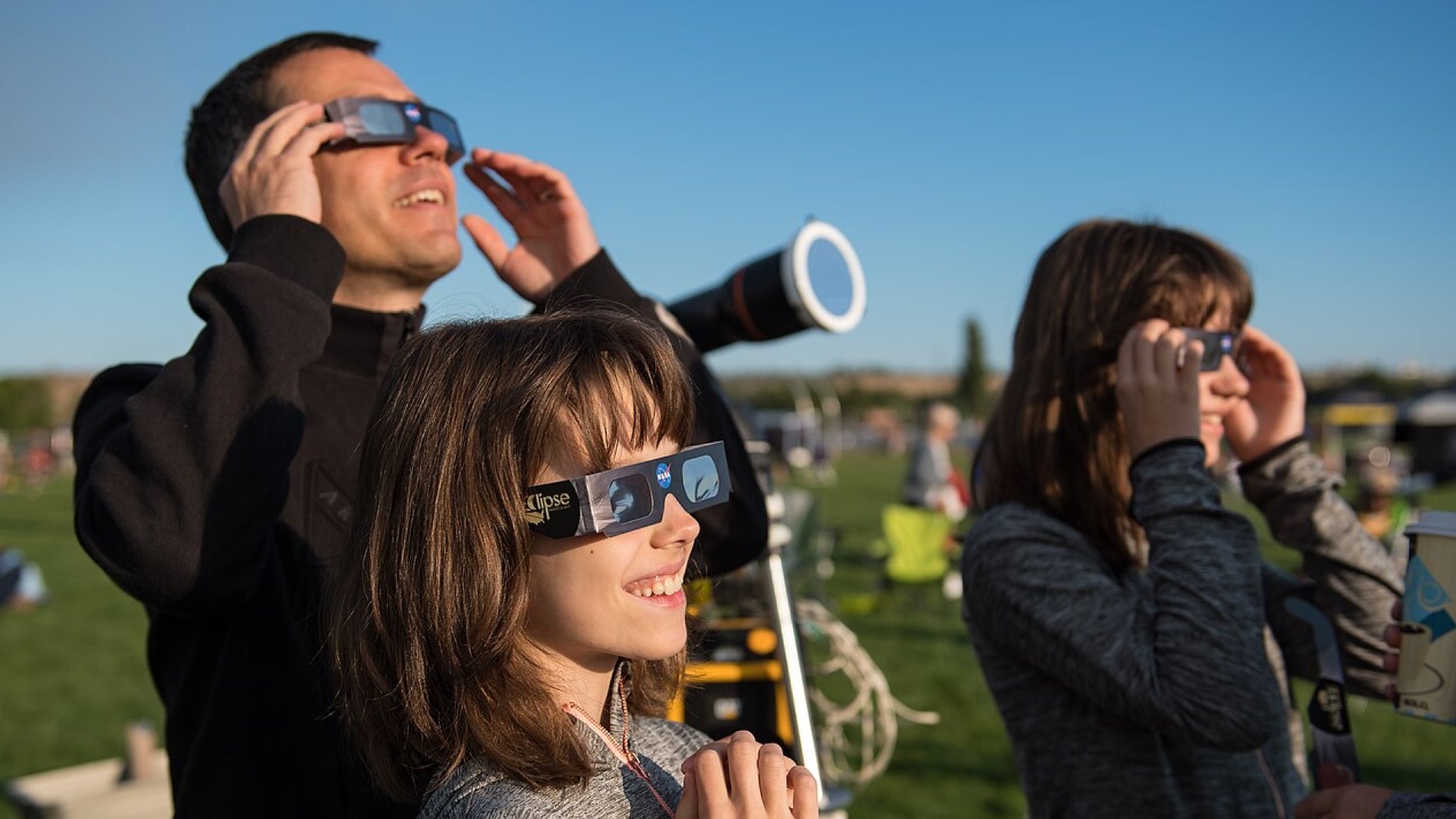
Experts warn that people must never view the Sun directly, with the naked eye, or using regular sunglasses. During a partial eclipse, the Moon does not fully cover the Sun. Viewers should also avoid looking at the eclipse through cameras, video equipment, or optical instruments like telescopes and binoculars unless they have appropriate solar filters with legal safety certification.
Safety standards for eclipse glasses
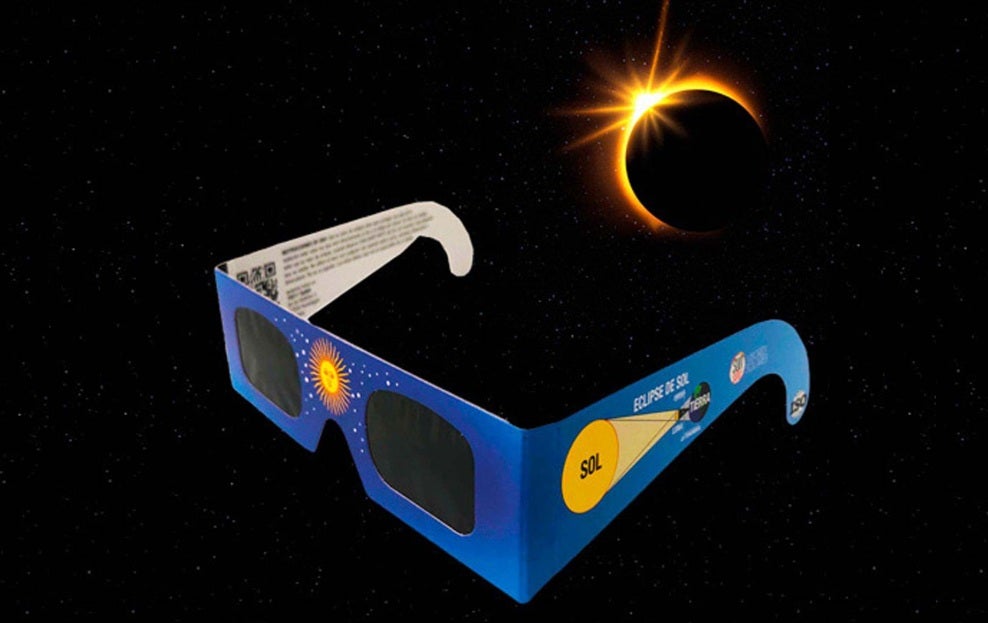
Buyers must check specific details to confirm that eclipse glasses are safe to use. Safe glasses must meet the exact standard ISO 12312-2 or ISO 12312-2:2015. All numbers in the code must be printed on the product, as incomplete numbers indicate ordinary sunglasses.
The packaging must clearly identify the manufacturer or the European Union importer. Products lacking manufacturer details are not reliable. The glasses must also include clear instruction manuals and safety warnings.
A key safety warning requires users not to wear the glasses for more than three minutes continuously. Instructions must also state that the glasses must be thrown away if they are scratched or punctured.
Testing glasses before observation
Observers should test their certified glasses before viewing the eclipse. Looking at a lightbulb through the glasses should only reveal the filament or modern LED lights. Looking at a sunlit surface reflection should show only a soft flash without causing eye strain.
Finally, users should inspect the glasses against a backlight. No lines or rays of light should pass through the front filter to the eyes, ensuring there are no scratches or structural damage.