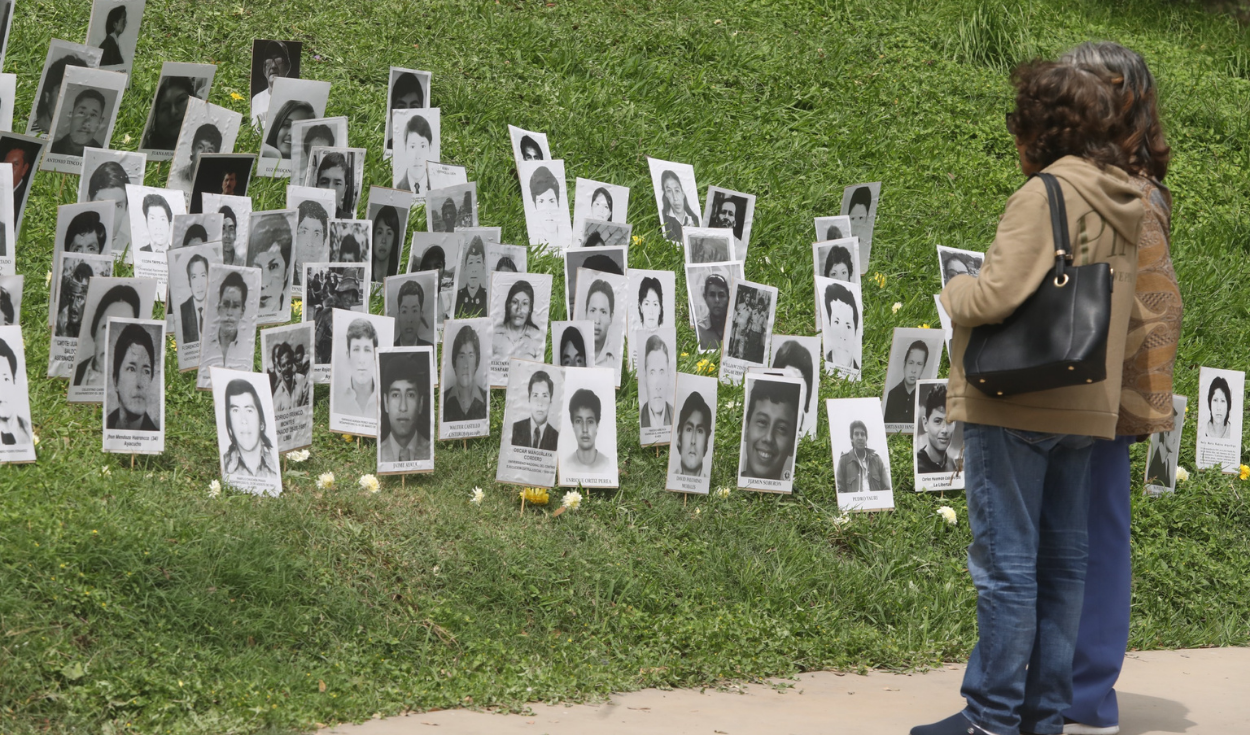
Relatives of victims of internal violence in Peru gathered at the El Ojo que Llora memorial in Lima on Thursday, August 28, to mark 23 years since the Truth and Reconciliation Commission presented its final report. The commemoration took place amid growing concern among survivor groups over proposed government changes to historical memory sites.
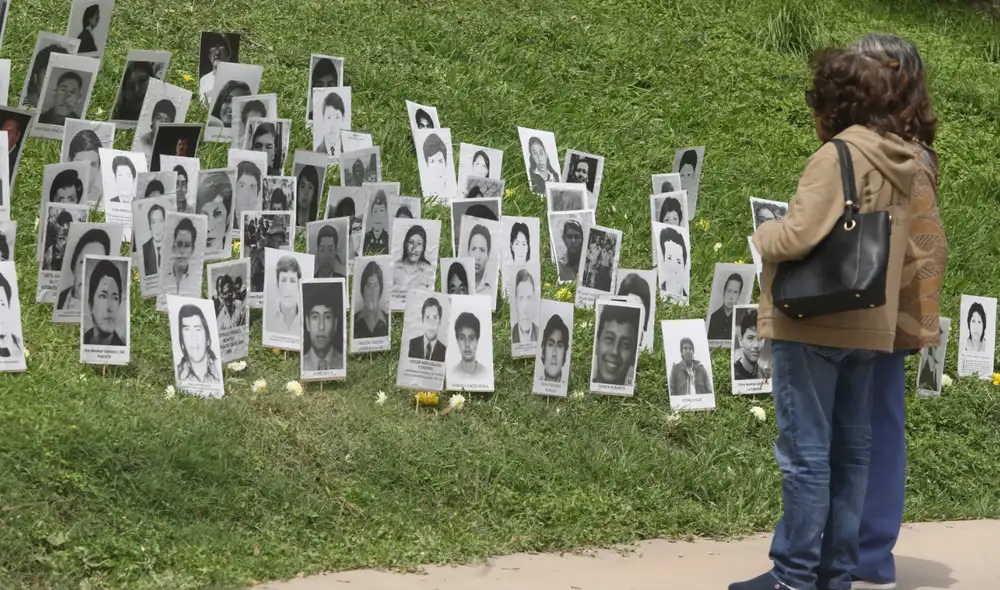
Participants assembled around the stone monuments engraved with the names of thousands of victims who died during the internal conflict that swept Peru between 1980 and 2000. Attendees described the ceremony as both a remembrance of lost lives and a renewed demand for truth, justice, and official reparations that remain unfulfilled decades later.
The Truth and Reconciliation Commission, known locally as the CVR, was established to investigate human rights violations and atrocities committed during the two decades of conflict between state forces and insurgent groups. Its final report, delivered in August 2003, detailed widespread abuses and called for comprehensive judicial action and state reparations for affected communities.
The El Ojo que Llora monument, located in Campo de Marte park in Lima, serves as one of Peru's primary public memorials dedicated to victims of the violence. Each stone in the installation bears the name of a person killed or disappeared during the internal conflict.
Setbacks in memory and justice
Senator Ruth Luque, representing the Ahora Nacion parliamentary caucus, attended the commemoration and stated that the central focus of the anniversary must remain on the victims and their ongoing search for dignity. She noted that many families have still not attained justice despite the passage of more than two decades.
Luque questioned political speeches and policy measures that she argued threaten to weaken public memory of the internal conflict. She asked why, 23 years after the final report was published, Peru is witnessing narrative setbacks and the emergence of denialist accounts regarding the violence.
The senator stressed that remembering the conflict is essential to understanding why the violence occurred and preventing its recurrence. She emphasized that honoring victims requires defending historical truth against attempts to rewrite the period between 1980 and 2000.
Debate over Place of Memory
The 23rd anniversary coincided with an ongoing national debate regarding a government proposal to transfer management of the Place of Memory, Tolerance and Social Inclusion, known as the LUM, to the Ministry of Justice. The museum, located in Lima, documents the history of Peru's internal conflict and human rights violations.
Luque criticized statements attributed to Culture Minister Alberto Beingolea, who reportedly claimed that the Place of Memory constitutes a point of permanent disunity and constant confrontation among Peruvians. Opponents of the transfer argue that changing the institution's management could compromise its independence and educational mission.
Luque countered the minister's assertions, arguing that remembering historical events should foster understanding rather than division. She expressed satisfaction that more citizens are visiting memory sites, noting that many Peruvians were previously unaware that places such as the LUM or El Ojo que Llora existed.
Regional memorials and youth education
The lawmaker emphasized that memorial efforts are not confined to the capital city of Lima. Communities, victims, and local organizations in other regions across Peru, including Ayacucho and Cusco, have constructed their own dedicated spaces to preserve the memory of those lost during the conflict years.
Addressing the concept of national reconciliation, Luque said the topic should serve as a shared point of reflection to examine why Peru continuously needs to address the issue. She urged that memory sites be actively visited by younger generations who were born after 2000 and whose knowledge of the violence comes primarily from history textbooks rather than personal or family experience.
Luque affirmed that advocacy groups and lawmakers will continue defending public memory spaces for all citizens. As the 23rd anniversary proceedings concluded, participating relatives reaffirmed their commitment to demanding justice and maintaining memorials that bear the individual names and stories of the conflict's victims.