Spanish Prime Minister Pedro Sánchez faces severe criticism from newspaper La Razón after the dissolution of parliament set general elections for November 29.
In a scathing editorial, the Spanish daily accused Sánchez of committing a fraud against the constitution by redirecting two rejected housing decrees to parliament's Permanent Deputation.
The Congress of Deputies, representing the majority of elected Spanish representatives, had voted down the housing measures on Friday. The newspaper reported that Sánchez bypassed the decision by sending the decrees to the smaller standing committee to take advantage of its favorable voting proportions.
The Cortes Generales is the constitutional parliament of the Kingdom of Spain, split into two chambers: the Congress of Deputies and the Senate. When parliament is dissolved prior to a national election, legislative authority passes to the Permanent Deputation, a specialized body designed to manage essential oversight and handle urgent matters until a new government takes office.
Controversy over executive power
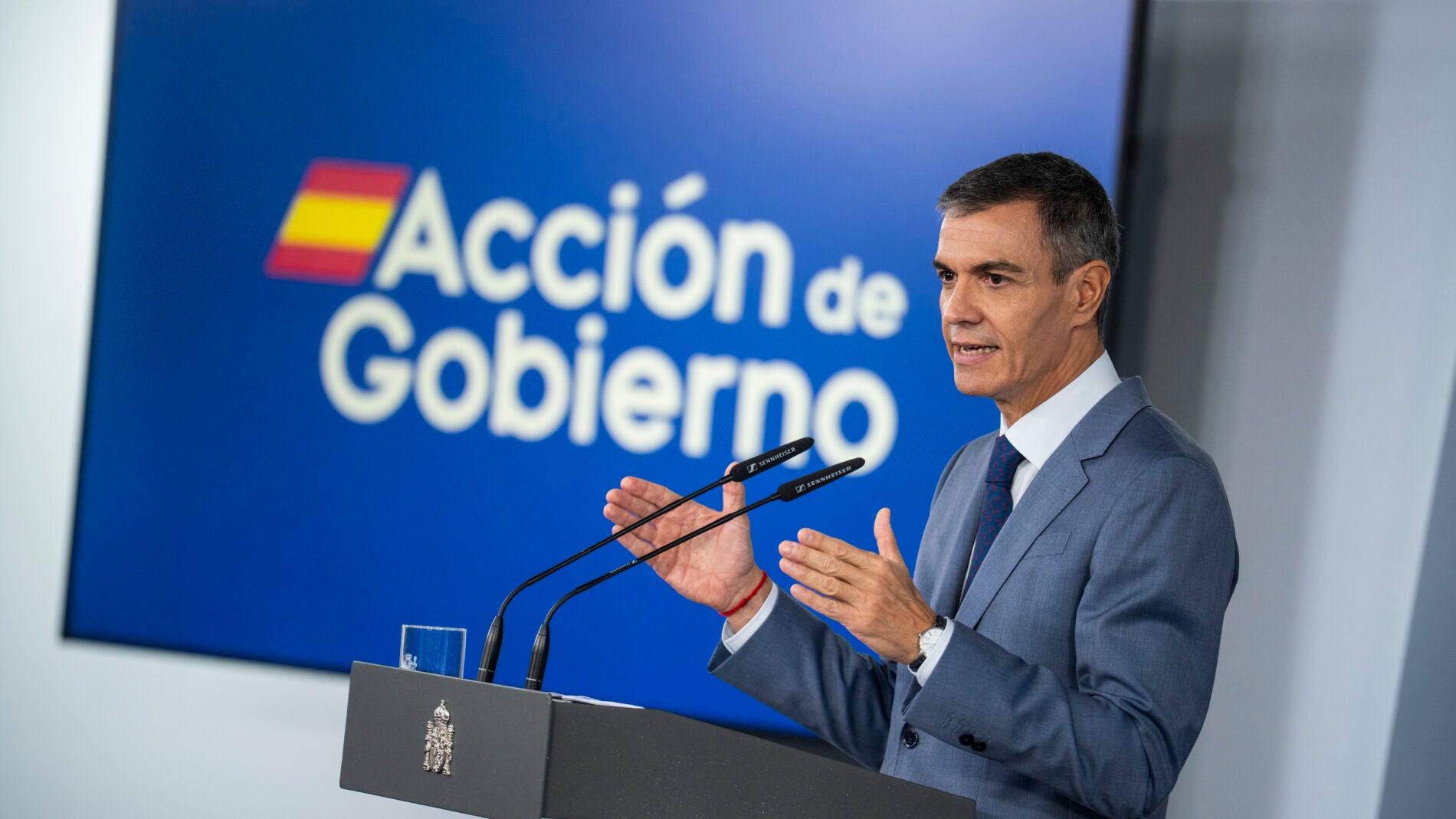
La Razón stated that Sánchez misused state resources by holding his second political party rally in two days from the official press podium of the Council of Ministers. The publication also accused the prime minister of encouraging allied trade union leadership to organize an illegal general strike motivated by partisan politics rather than employment rights.
The Council of Ministers serves as the principal cabinet body of the Spanish government, chaired by the prime minister and housing ministers responsible for executive departments. Spanish governance standards require the cabinet podium to remain neutral and dedicated strictly to official government business rather than electoral campaigning.
The editorial further pointed to a decision by the Constitutional Court approving amnesty legislation for individuals implicated in the Catalan independence movement. According to the article, the court majority aligned with Sánchez to fulfill political commitments made to securing support from lawmakers allied with former Catalan president Carles Puigdemont.
Background on Catalan amnesty
The Catalan independence process, known locally as the procés, reached its peak in October 2017 when regional leaders conducted an unconstitutional referendum and issued a unilateral declaration of independence. Legal actions and trials against separatist leaders have since remained one of the most contentious topics in modern Spanish politics, shaping coalition negotiations in the national parliament.
The Constitutional Court of Spain operates as the supreme legal body responsible for interpreting the 1978 Spanish Constitution and determining the legal validity of legislation passed by parliament. Its rulings on major political issues carry binding authority across all branches of the Spanish state.
Criticizing the eight-year tenure of the prime minister, termed sanchismo by opponents, the newspaper asserted that Sánchez has repeatedly ignored legal constraints. The editorial highlighted the use of phantom General State Budgets as evidence of executive overreach and disregard for the constitutional social contract.
Allegations ahead of the election
The General State Budgets represent the central government's annual financial master plan, setting public spending, taxation goals, and departmental allocations. Under Spanish law, if parliament fails to approve a new budget before the start of the fiscal year, the existing budget automatically remains in force until new legislation is enacted.
Looking ahead to the upcoming vote, La Razón warned opposition parties, independent institutions, and Spanish society to remain on high alert during the campaign period. The publication claimed that the governing party previously created, funded, and managed a criminal structure known as the cloaca to target investigators probing corruption associated with the administration.
The newspaper concluded that the campaign leading up to November 29 will be marked by intense political deception, state propaganda, and widespread disinformation, describing the tactical environment as one in which Sánchez expects to gain an advantage at the ballot box.