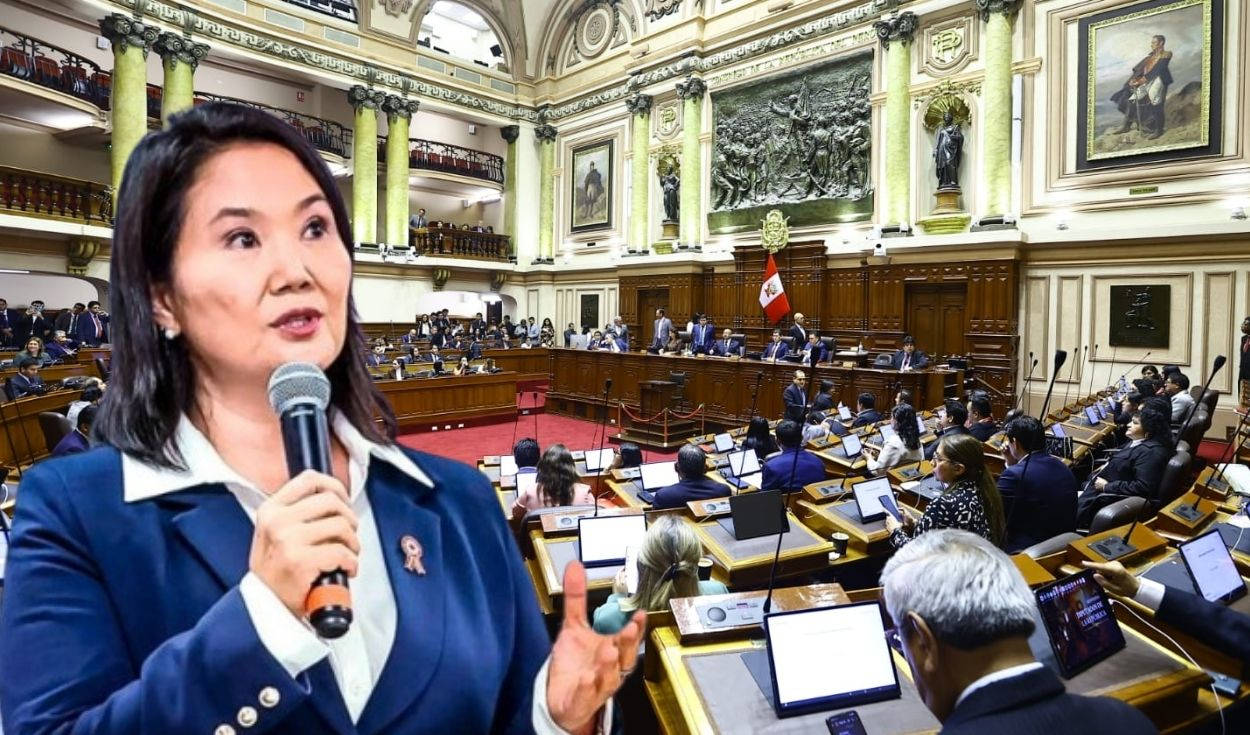
The Peruvian government led by President Keiko Fujimori has officially submitted a request for delegated legislative powers to the Chamber of Deputies of the Congress of the Republic.
The Presidency of the Council of Ministers announced on social media that the executive branch defined the request on Thursday, August 27. The proposal contains 66 individual requests intended to strengthen public administration and address primary national priorities.
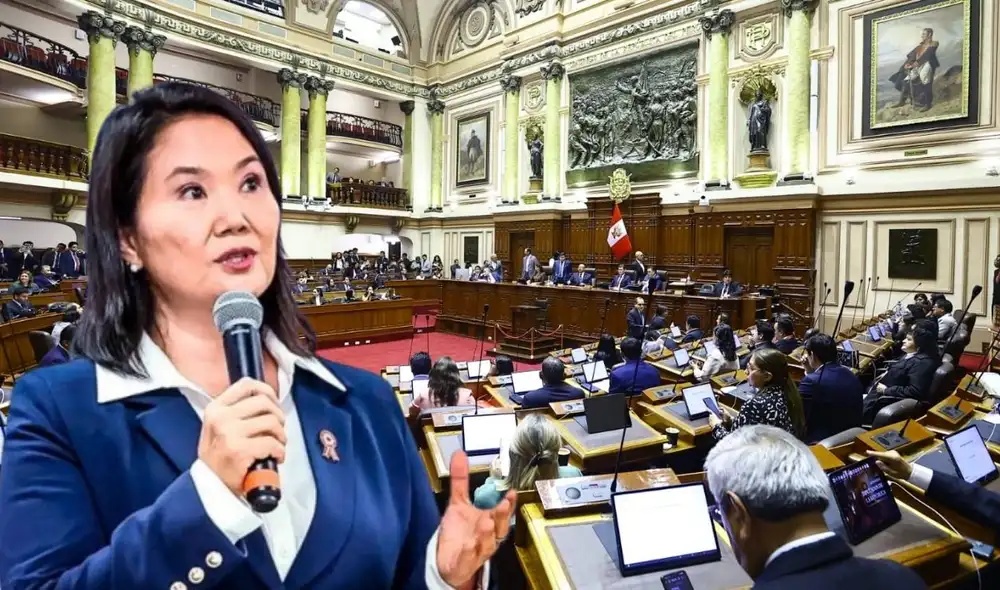
Under Peru's legislative process, the bill must first be examined and debated by a designated congressional committee before being presented to the full Chamber of Deputies. If the lower house passes the measure, it will then require approval from the Chamber of Senators before legislative authority is officially delegated to the executive branch.
Eight Legislative Priorities
The requested legislative powers are structured around eight primary reform axes. The package includes measures concerning criminal law, criminal procedure, penal execution, police operations, citizen security, internal order, penitentiary administration, and migration policy.
Economic and administrative reforms form another key component of the request. The government is seeking powers to legislate on micro and small enterprises, labor affairs, employment promotion, administrative simplification, the removal of bureaucratic barriers, and digital transformation.
The remaining areas cover broad sectors of the national economy and governance. These include productive, agricultural, water, fishing, mining, energy, and environmental development, alongside tax, customs, and foreign trade policies. Additional provisions address state reform, civil service management, housing, and sanitation.
Security and Criminal Justice Reforms
In criminal matters, the executive branch proposes modifications to both the Penal Code and the Code of Criminal Procedure. Among these changes is a measure to transfer territorial jurisdiction for trials involving criminal gangs.
The initiative also seeks to formally declare criminal organizations as terrorist groups. In addition, the government proposes regulating self-defense laws by establishing a legal presumption of innocence regarding the rationality of a victim's response during an attack.
To address prison security, the bill includes a provision authorizing the exceptional participation of the Armed Forces in managing external security at penal facilities.
Financial System and Consumer Policies
The proposal outlines significant changes to financial regulations, including the elimination of interest rate caps established under Law No. 31143, a statute designed to protect financial consumers from usury.
Another financial measure would allow children under 12 years of age to open and maintain bank savings accounts.
To streamline account openings and contractual procedures, the package also requests authorization for financial system institutions and insurance companies to access identity information managed by the National Registry of Identification and Civil Status (Reniec).
Governance Background
Delegated legislative powers allow the executive branch in Peru to enact laws directly through legislative decrees within specific bounds set by Congress. The Presidency of the Council of Ministers functions as the cabinet office, coordinating executive policy and legislative requests before the bicameral parliament.