The Greek flag held onto 10th place in the world's biggest ship registries in 2026, according to a ranking published by Lloyd's List on November 27, as Liberia extended its grip on first place and the Marshall Islands overtook Panama to climb into second.
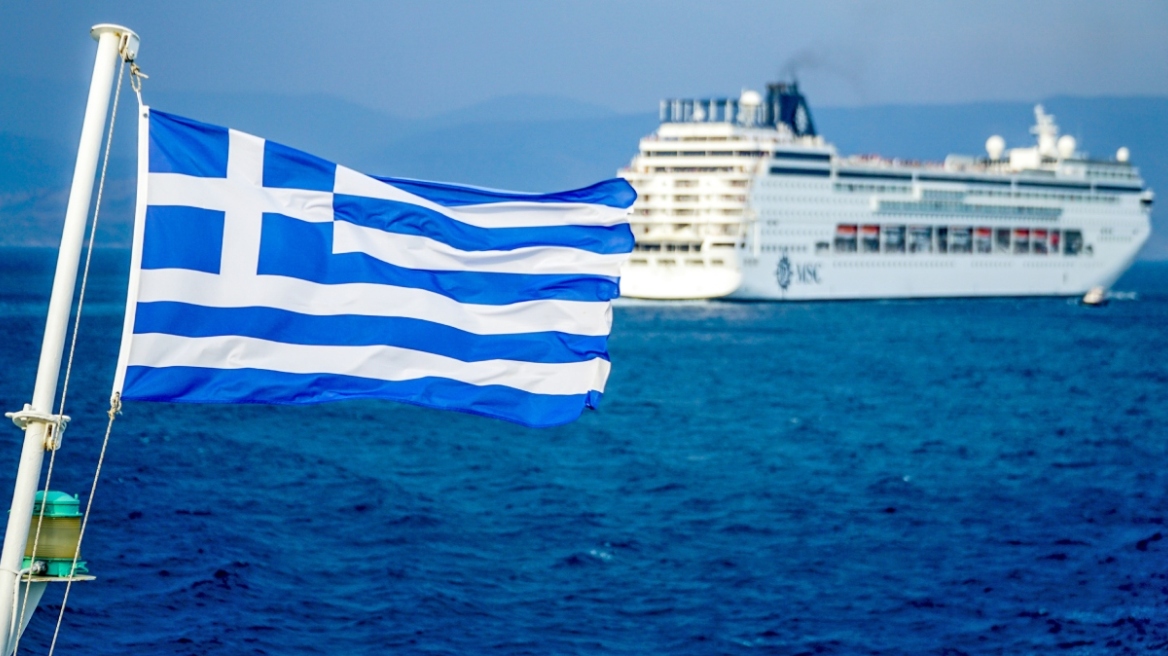
The Greek-flagged fleet's gross tonnage rose by about 1% year-on-year, reaching 32.4 million gt as of October 1, 2026, based on Lloyd's List Intelligence data. Greece and Malta are the only European flags among the ten largest registries in the world.
Despite the stabilization, the modest growth was not enough for Greece to reclaim the ninth place it lost to Japan in 2025. Japan's faster expansion widened the gap between the two registries to 2.4 million gt.
Lloyd's List cited Captain Andreas Spanos, who has served since 2023 as director of shipping at Greece's Ministry of Shipping and Island Policy, and noted longstanding complaints from Greek shipowners about the flag's competitiveness. These include slow bureaucratic procedures, crewing requirements, obligations to the seafarers' insurance fund, and crew availability.
Despite those difficulties, the Greek flag continues to perform strongly on safety and port state inspections. It remains on the Paris MoU White List, in 25th place, and holds a high-performance rating under the Tokyo MoU.
Liberia extends its lead
Liberia held first place worldwide for a fourth consecutive year, growing both its tonnage and the number of ships registered. The registry, run by Alfonso Castillero, reached almost 330 million gt by October 1, 2026, an annual increase of 13%.
It became the first registry in the world to pass 300 million gt, adding roughly 38 million gt within a year. Its lead over second-placed Marshall Islands now exceeds 100 million gt.
Liberia's safety and compliance performance remains a major draw for shipowners, particularly those investing in newbuilds. According to figures the registry itself released in September, almost 26% of the world's newbuild fleet flew the Liberian flag. The country also benefited from ships moving away from Panama's registry amid that country's tensions with China.
Marshall Islands overtakes Panama
One of this year's biggest shake-ups was the Marshall Islands' rise to second place, with the registry's tonnage growing 12.5% to around 220 million gt. Led by William Gallagher for more than 25 years, the registry overtook Panama with a lead of roughly 21 million gt.
The growth came from both organic fleet expansion and the arrival of ships abandoning the Panamanian flag. The registry's international reputation and safety record have strengthened its competitiveness, and it remains on the White Lists of both the Paris MoU and the Tokyo MoU.
Panama's canal dispute takes its toll
Panama, once the world's largest registry, slipped to third place, losing almost 50 million gt within a year. Its registered tonnage fell by about 20%, a decline that accelerated amid its dispute with China over the management of port facilities at the Panama Canal.
Hong Kong-based CK Hutchison had managed the Balboa and Cristobal terminals on either side of the canal since 1997. In January 2026, however, Panama's Supreme Court ruled the concession contract unconstitutional. The Trump administration had also been involved in the case, arguing that Chinese influence over the strategically important ports threatened American interests. In February, temporary management rights were handed to Maersk's APM Terminals and MSC's Terminal Investment Ltd.
The dispute spilled over into shipping, with Panama-flagged vessels facing increased inspections and detentions at Chinese ports. Beijing denied specifically targeting the flag, saying the checks were carried out for maritime safety reasons. The delays, however, pushed several shipowners toward other registries. On the other hand, the departure of so-called "shadow fleet" vessels improved Panama's record enough to let it move from the Paris MoU's Grey List back onto the White List.
Singapore and Hong Kong shift flags
Singapore held fourth place, posting a 17% rise in tonnage after an already striking 24.9% increase the previous year. More than 300 ships, totaling over 20 million gt, were added to the registry. With an average fleet age of 11 years, Singapore now has one of the youngest major commercial fleets in the world. Its maritime authority plans to roll out a faster ship registration system in 2027, alongside stronger verification checks.
Hong Kong kept fifth place despite a fresh 6% drop in registered tonnage, following a 13.7% fall in 2025. Higher US port fees on vessels linked to China also hit the Hong Kong registry. Major owners, including Seaspan and Pacific Basin, switched flags, mostly to Singapore. Hong Kong introduced a dual flag registration system that helped a small recovery in registrations from May.
Malta, China, Bahamas and Japan
Malta held sixth place, with its fleet surpassing 92 million gt and annual growth of about 4%. China's faster expansion narrowed the gap between the two from around 9 million gt in 2025 to under 3 million gt, while Malta closed in on Hong Kong, cutting that gap from 33 million gt to about 22 million gt. The Maltese flag continues to post strong safety and compliance results.
China took seventh place, with its flagged fleet growing 12% to 89.3 million gt, driven by a strong domestic shipbuilding industry and state support for the sector. China recorded the best performance in the Tokyo MoU ranking for a second straight year and climbed two places to 12th on the Paris MoU White List.
The Bahamas strengthened its eighth-place position, with registered tonnage up 15% to 67.3 million gt. The registry has focused on quality, digitizing its services and modernizing its regulatory framework, including a new digital seafarer's book that uses blockchain technology to secure registrations.
Japan held ninth place, with its fleet growing 4.7% to 34.8 million gt, continuing a steady rise that began in 2021 and maintaining high marks in international maritime safety inspections. Despite the growth, its gap with eighth-placed Bahamas widened because of the latter's faster expansion.
The world's ten largest ship registries, in order, are Liberia, the Marshall Islands, Panama, Singapore, Hong Kong, Malta, China, the Bahamas, Japan and Greece.
This year's ranking underscores the growing weight of geopolitics in shipowners' flag choices, alongside the traditional factors of cost, taxation, service quality and processing speed.
For Greece, halting the decline marks a positive step. The challenge now is to meaningfully strengthen the national registry's competitiveness and draw a larger share of the Greek-owned fleet back under the Greek flag.
Lloyd's List's ranking is based on the gross tonnage of ships above 500 gt, excluding fishing vessels, and reflects a ship's flag of registration rather than the nationality of its owners.
What happens next
Singapore's maritime authority plans to introduce a faster ship registration system in 2027.
Test yourself
Which registry held first place in the world rankings for a fourth consecutive year?
Which country overtook Panama to take second place in the 2026 rankings?
What was the approximate gross tonnage of the Greek-flagged fleet as of October 1, 2026?
Have your say
Should geopolitics weigh more heavily than cost when shipowners choose a flag registry?