Eternit, the Brazilian fibre-cement and roofing materials maker, is adjusting its strategy to expand industrialized construction and in-house logistics as it confronts regulatory uncertainty over chrysotile, the asbestos mineral that still generates a large share of its revenue.
Chrysotile brought in 221 million reais in revenue over the first nine months of 2026, equal to 25% of the company's net revenue and 29% of its gross profit for the period, according to Eternit.
The outlook for that business changed at the end of September, when Brazil's Supreme Federal Court (STF) declared unconstitutional a law in the state of Goias that had authorized chrysotile extraction for export.
What the court ruling means
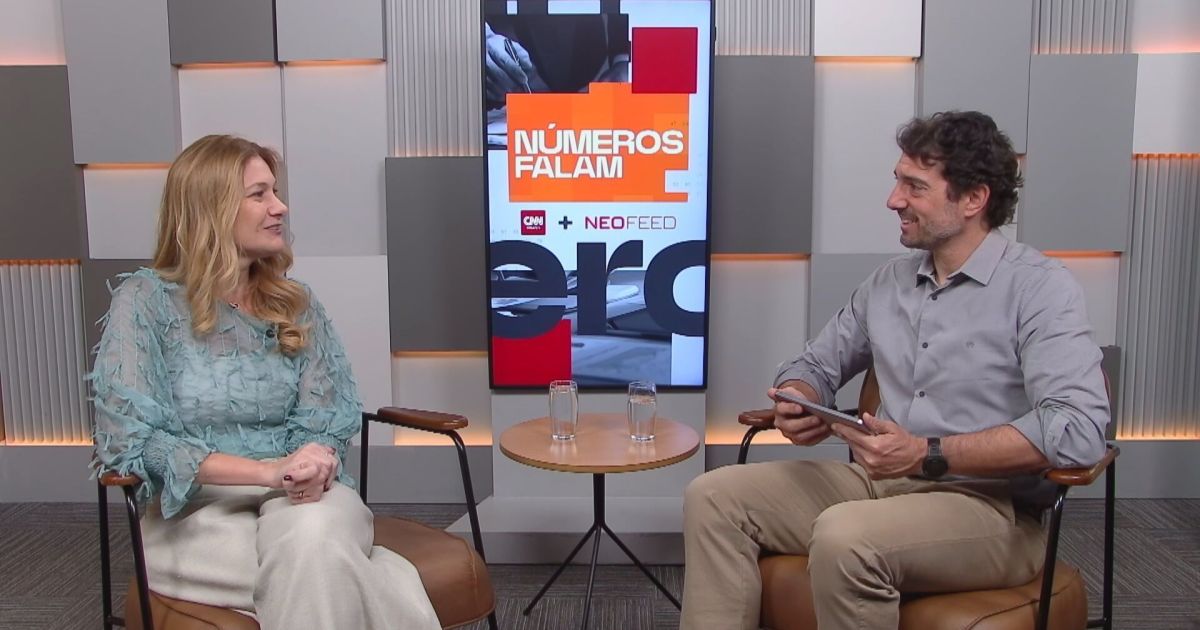
Carisa Cristal, Eternit's chief financial officer, said in an interview with the television programme Numeros Falam that the Supreme Court's decision effectively ends the possibility of asbestos mining in Brazil. However, she said the practical impact depends on the timeline the courts set for winding down the Minacu mine in Goias, a decommissioning process the company estimates could take around five years.
Eternit is making the shift while also navigating a difficult macroeconomic backdrop, with Brazil's benchmark Selic interest rate at 13.75% and households carrying high debt levels.
Industrialized construction as growth driver
In the third quarter of 2026, Eternit sold 193,400 tonnes of fibre-cement products, up 6.8%, while gross profit from that product line rose 36.9%.
Cristal said the improvement reflects the dilution of fixed costs and a shift in product mix. Industrialized construction rose to 10% of the fibre-cement segment from 7% a year earlier, and carries higher margins than traditional roof tiles, which make up about 90% of the business and function as a commodity product.
Cristal said the aim going forward is for industrialized construction to replace the revenue that chrysotile currently contributes to the company's results.
Logistics arm cuts costs without owning trucks
On the logistics side, Cristal said Eternit's trucking unit, Elite Mov, generated 10.2 million reais in revenue in the third quarter by registering and vetting drivers and vehicles rather than tying up capital in its own fleet.
She said the model addresses quality bottlenecks and loading-time problems and still has room to grow by capturing more of the company's own freight and cutting down on trucks returning empty.
Cristal said it makes no sense to tie up capital in a heavy investment in a company-owned fleet when qualified capacity is already available in the market, adding that what matters is maintaining a quality registry of drivers and vehicles.
Debt and market share
Eternit's leverage fell to 2.55 times net debt to EBITDA in September from 2.96 times in June, with net debt near 161 million reais and 84.1% of gross debt classified as short-term.
Cristal said the short-term debt is tied to working-capital financing and chrysotile exports, which run at roughly 10 million dollars a month and use subsidized credit instruments carrying rates of 7.5% to 8.6% a year, repaid with export revenue. She said the rest of the company's debt has an average maturity of three years.
Eternit holds a 34% market share in roof tiles, having sold 540,000 tonnes of fibre-cement in the period, according to the company.
Cristal said she believes the market underestimates how significant Eternit's roof tile business is, describing it as the result of sustained effort in an industrial business with national reach.
About the interview
The interview was conducted for Numeros Falam, a programme produced by NeoFeed with CNN Brasil and hosted by Marcio Kroehn, which airs new episodes every two weeks at 7:45pm on CNN Money.
What happens next
The practical impact of the Supreme Court's ruling depends on the modulation timeline Brazilian courts set for decommissioning the Minacu mine, which the company estimates could take about five years.
Test yourself
What did Brazil's Supreme Federal Court strike down?
How much revenue did Eternit's trucking unit Elite Mov generate in the third quarter?
According to CFO Carisa Cristal, what business is meant to eventually replace chrysotile's share of revenue?
Have your say
Should companies that mined asbestos-related minerals be given a long transition period to wind down operations?
Where it happened
Minacu, Brazil