

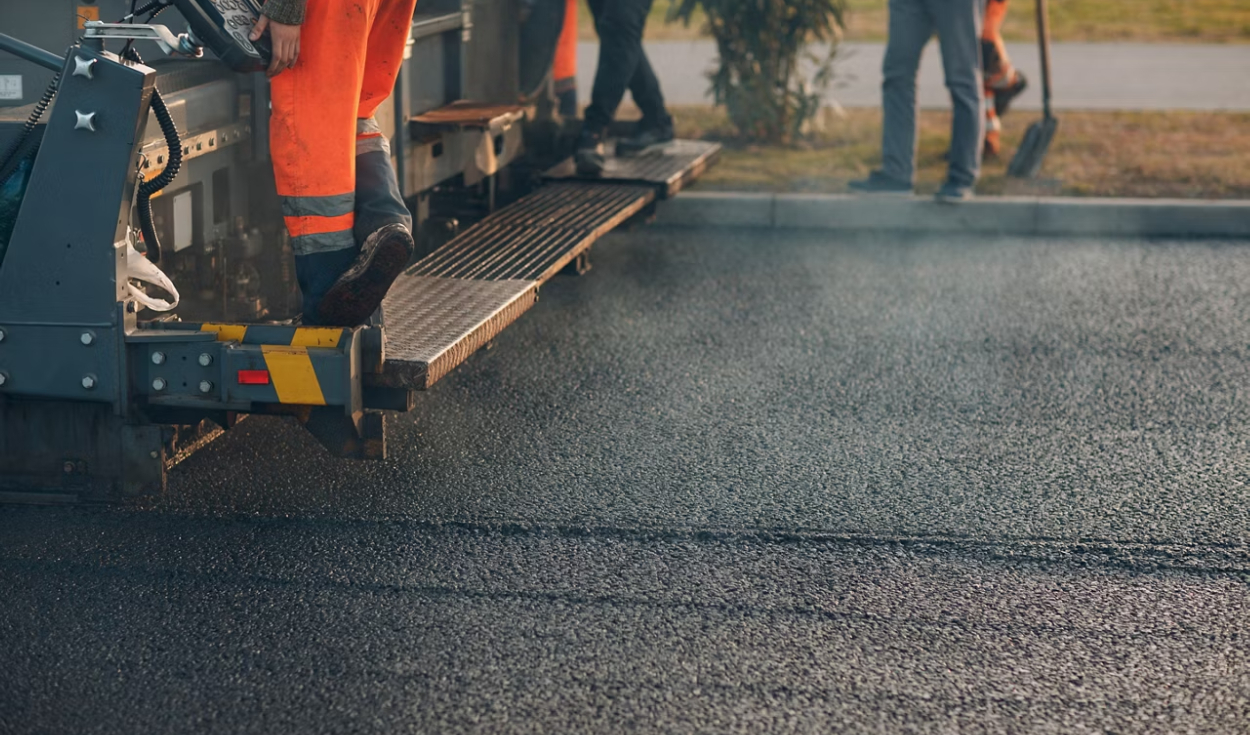
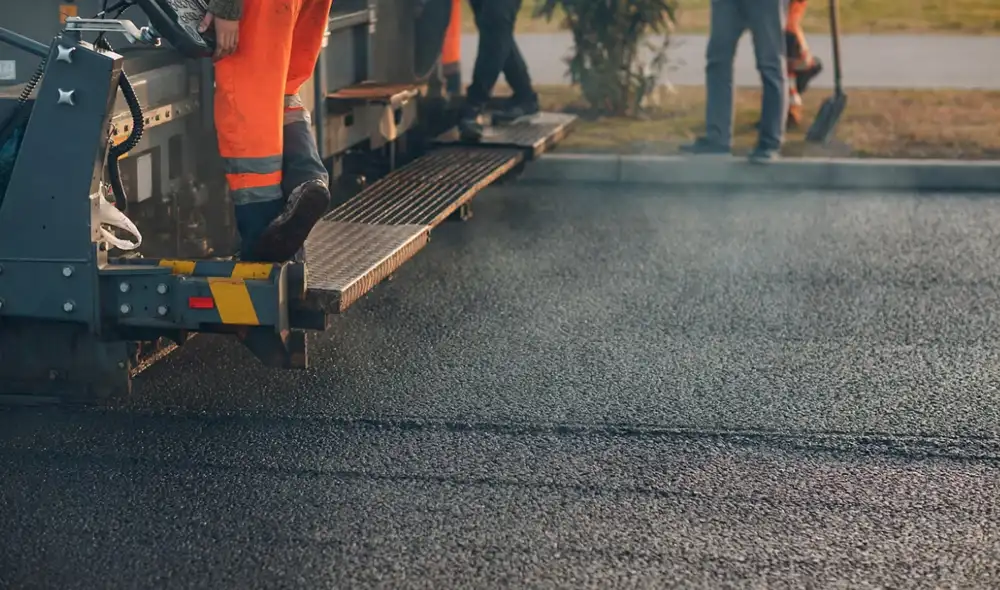
More than 6,000 used milk bottles were kept out of the waste stream and built into a road at the Xuhui campus of the East China University of Science and Technology (ECUST) in Shanghai. The project was developed by chemical company Dow and dairy brand Shiny Meadow, which incorporated the bottles and other hard-to-recycle plastics into an asphalt surface modified with polymers.
The initiative, unveiled in 2021 and presented on Earth Day, aimed to find a new use for materials that typically fall outside conventional recycling systems. Rather than becoming waste, the containers were treated and processed so they could be built into a piece of infrastructure. The project also showed how cooperation between companies and universities can open up alternatives for waste that is difficult to reuse.
Why the milk bottles were hard to recycle
Although the bottles were technically recyclable, they carried a problem that reduced their value to recyclers: leftover milk residue inside the containers caused a high level of contamination. Because of this, recycling companies often rejected this type of plastic and treated it as waste with no useful purpose.
Shiny Meadow already used recyclable materials in its packaging but acknowledged that a difficulty remained once those containers reached the end of their useful life. Lin Rong, the brand's director, highlighted the new destination found for the empty containers and said the project gave them a meaningful use. The initiative offered an alternative for a material that had few options within the usual recovery routes.
How the plastic waste became paving material
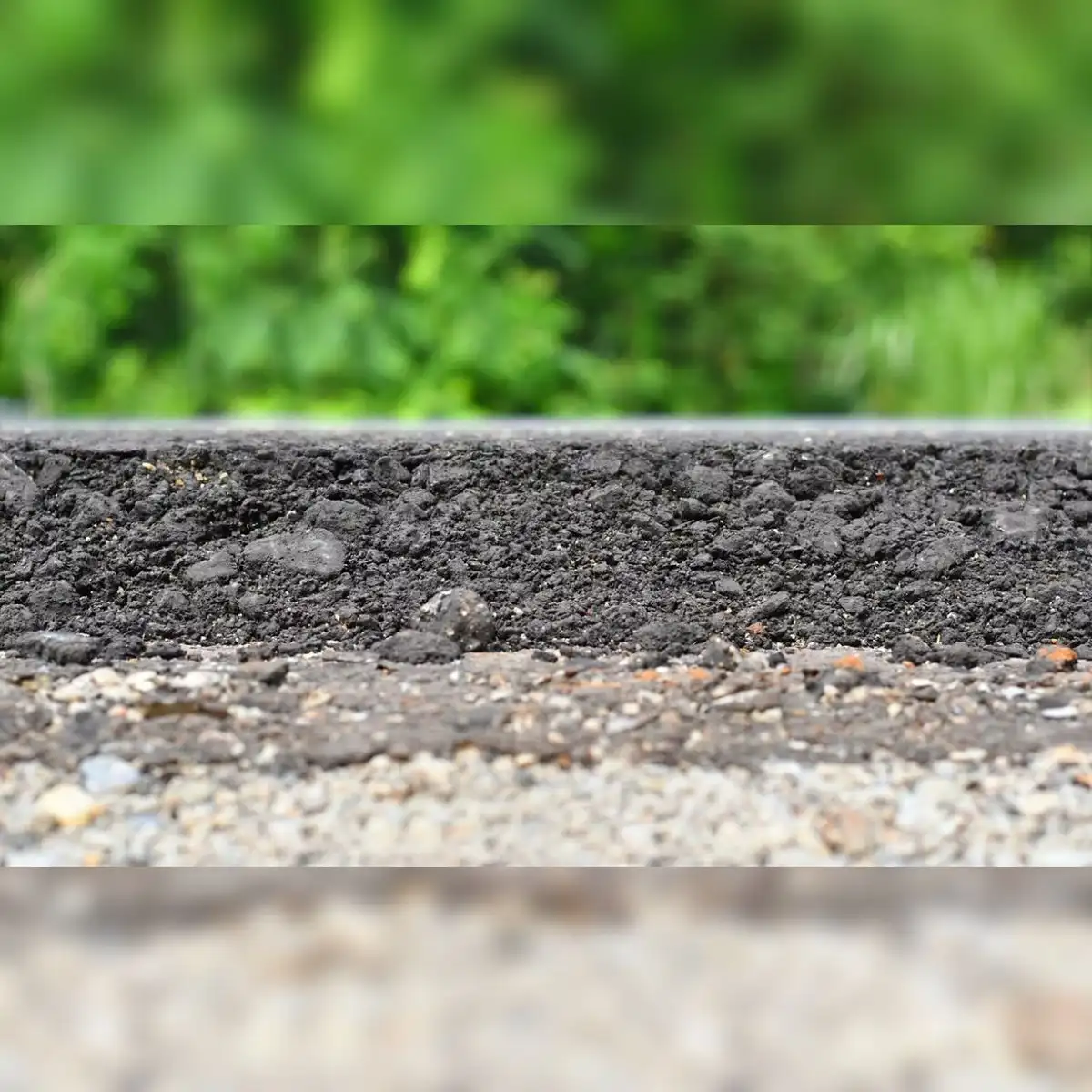
Dow gathered hard-to-recycle plastics and turned them into post-consumer recycled plastic material for a polymer-modified asphalt. That component was then built into the paving process for a road inside the Xuhui campus.
Bambang Candra, Dow's commercial vice president for Packaging & Speciality Plastics in Asia-Pacific, said the company's experience in materials science helped give the discarded bottles a new purpose. In total, more than 6,000 milk bottles and other plastic waste went into the project. Dow presented the road as a demonstration that waste with little value for traditional recycling can still find other applications.
The environmental case for the project
According to Dow, using recycled plastic in this type of pavement could help keep waste out of the environment, reduce the amount of asphalt bitumen needed, and potentially extend the lifespan of roads. The company linked these possible effects to a reduction in greenhouse gas emissions and energy consumption, though it presented these as part of the initiative's potential rather than as confirmed outcomes. For Shiny Meadow, the road also represented a way to extend the life cycle of its packaging beyond its original function.
Dow's recycled-plastic roads across Asia
The Shanghai project formed part of a wider Dow strategy to incorporate recycled plastic into road projects across Asia. The company said its work in this field began in 2017 with road improvements in Depok, Indonesia. It later developed projects with partners in Pune and Bangalore, India, and began a collaboration with Siam Cement Group in Thailand.
At ECUST, the project also had an educational component. Li Tao, the university's vice president, said the institution hoped the cooperation would encourage students to pursue unconventional solutions to sustainability problems and to scale those ideas up.



