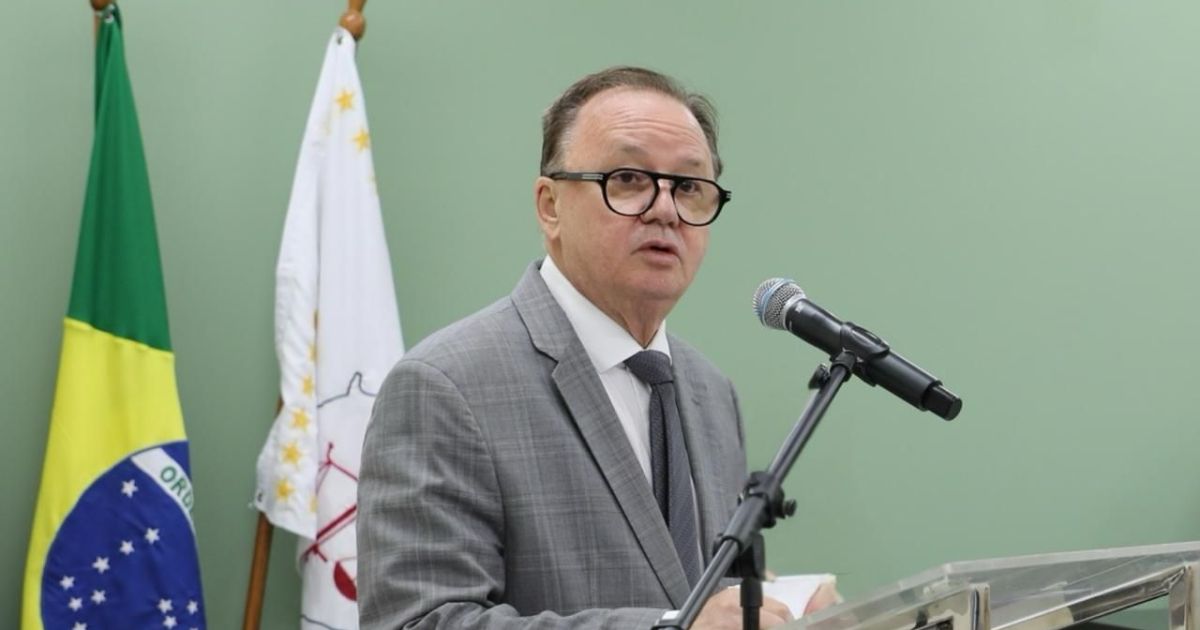
Supreme Federal Court Justice Luiz Fux is leading a public hearing in Brazil where most participants oppose a presidential decree banning online sports betting.
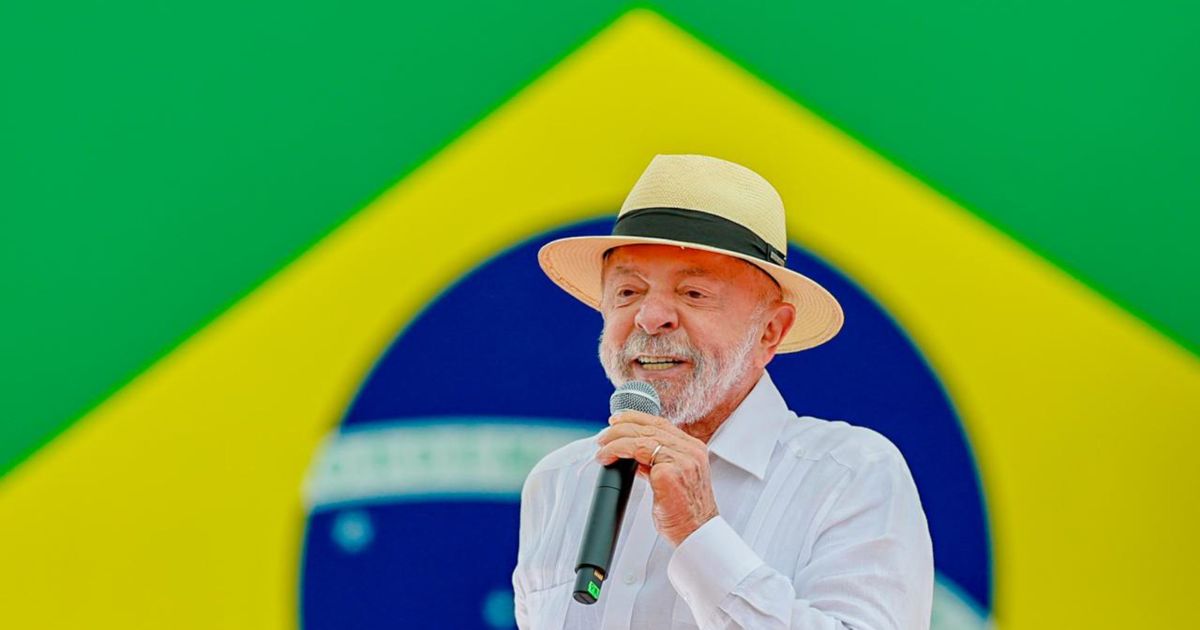
Of the 34 representatives invited to the debate on Tuesday, at least 22 have taken a stand against the measure prohibiting the sector. The hearing addresses a provisional measure issued by President Luiz Inácio Lula da Silva of the Workers' Party that outlawed fixed-odds gambling nationwide.
Lula published the decree on September 25, banning the operation, offering, intermediation, and advertising of fixed-odds wagers, including sports betting and internet games. Betting sector organizations quickly filed lawsuits with the Supreme Federal Court to overturn the rule, prompting the court to examine the economic and social fallout.
The Supreme Federal Court, based in the capital city of Brasília, serves as the constitutional guardian of Brazil. Under Brazilian constitutional law, a provisional measure takes immediate effect upon publication by the president, but it requires approval from the National Congress within 120 days to become permanent law.
Hearing Schedule and Court Procedures
Justice Fux scheduled the public hearing after granting a request from the office of the Attorney General of the Union, known as the AGU. The government legal body asked for the session so the court could gather technical evidence before Fux delivers his final ruling on the legal challenges.
According to reporting by CNN, Fux deliberately avoided ruling on the lawsuits filed by betting companies prior to the recent elections. The justice postponed judicial action to avoid accusations of judicial interference in the political voting process.
The hearing began at 10:00 am on Tuesday with an opening address by Fux and was scheduled to run until 5:30 pm. Each invited participant received a 10-minute window to deliver oral arguments before the court.
Court officials initially invited 28 entities, with 20 of them having already publicly demanded the annulment of the presidential ban. Following an appeal by the AGU to balance the roster, Fux added more institutions that support the government restrictions, expanding the lineup to 34 speakers while leaving opponents in a solid majority.
Football Clubs and Commercial Opposition
The opening segment of the hearing was set aside entirely for Brazilian football clubs, which fielded 10 designated representatives. Club leaders from major teams including Clube de Regatas do Flamengo, Sport Club Corinthians Paulista, and Cruzeiro Esporte Clube joined the session to challenge the shutdown.
The Brazilian Football Confederation, the national governing body known as the CBF, also took part alongside the clubs. Football executives warned that the sudden prohibition threatens the financial stability of teams that depend heavily on commercial sponsorship agreements with sports betting firms.
In Brazilian football, commercial shirt sponsorships from betting brands have grown into a primary revenue stream for elite clubs competing in the national league. The shutdown of these partnerships has left clubs scrambling to address major holes in their operational budgets.
Industry groups including the National Association of Games and Lotteries, the Brazilian Institute of Responsible Gaming, and the National Association for Legal Certainty in Gaming and Betting joined the sports teams in demanding that the Supreme Federal Court strike down the decree.
Government Health and Social Arguments
Federal ministries and state agencies mounted a unified defense of the prohibition during the hearing, arguing that the state must protect citizens from severe financial and psychological harm. The government coalition includes the Ministry of Finance, the Ministry of Health, the Ministry of Sports, the Ministry of Public Security, and the AGU.
Government lawyers stated that the executive branch holds constitutional authority to reassess public policies and terminate lottery formats when real-world evidence shows threats to public security, family welfare, and financial health. In its legal filing to Fux, the AGU cited technical findings from the Ministry of Health showing a 140 percent surge in public health consultations for pathological gambling and gambling mania between 2018 and 2025.
Those treatments occurred within the Unified Health System, known as the SUS, which provides free medical care to millions of Brazilians. The AGU submission stated that the suicide risk among individuals with gambling disorders is 15 times higher than that of the general population.
The legal filing also cited an estimated annual social cost of 30.6 billion Brazilian reais, which covers healthcare impacts linked to compulsive betting. Federal attorneys noted that financial losses fell hardest on youth and low-income citizens, draining almost 50 percent of Brazilian family income.
Commercial Backing and Supermarket Sales
Support for the government ban extended beyond federal ministries to include major national business federations. Both the National Confederation of Commerce and the National Confederation of Industry endorsed the restrictions and prepared presentations for the court.
The Brazilian Supermarket Association, known as Abras, also joined the hearing in support of the ban after being added by Fux at the request of the AGU. The association reported that retail food sales grew by 6.5 percent following the shutdown of online betting sites, arguing that consumer money returned to essential household goods.
The digital shutdown took full effect on October 6, when betting websites and mobile applications went offline alongside all promotional advertising and sponsorships. The presidential measure targeted online casino games, such as Fortune Tiger, as well as sports betting platforms that had operated widely across the country.
Congressional Review and Football Funding
The legal battle in the Supreme Federal Court unfolds while the provisional measure awaits review by the National Congress. Lawmakers have up to 120 days from publication to debate, modify, or approve the measure into permanent statutory law, or the presidential decree will lose its legal validity.
As lawmakers prepare to examine the decree, the federal administration has attempted to address intense pressure from football supporters and team executives. In October, Minister Guilherme Boulos of the General Secretariat of the Presidency met with representatives from approximately 30 organized fan associations from around the country.
Boulos, who represents the Socialism and Liberty Party within the governing coalition, announced the formation of an official working group during that meeting. The working group is tasked with discussing the end of commercial betting while finding alternative financing arrangements to replace lost corporate sponsorships.
Clubs continue to report severe difficulties after the departure of betting sponsors, making replacement financing a central concern for supporters across Brazil. Federal officials confirmed that the government is studying financial relief measures to assist the clubs impacted by the ban as the Supreme Federal Court prepares its ultimate ruling.