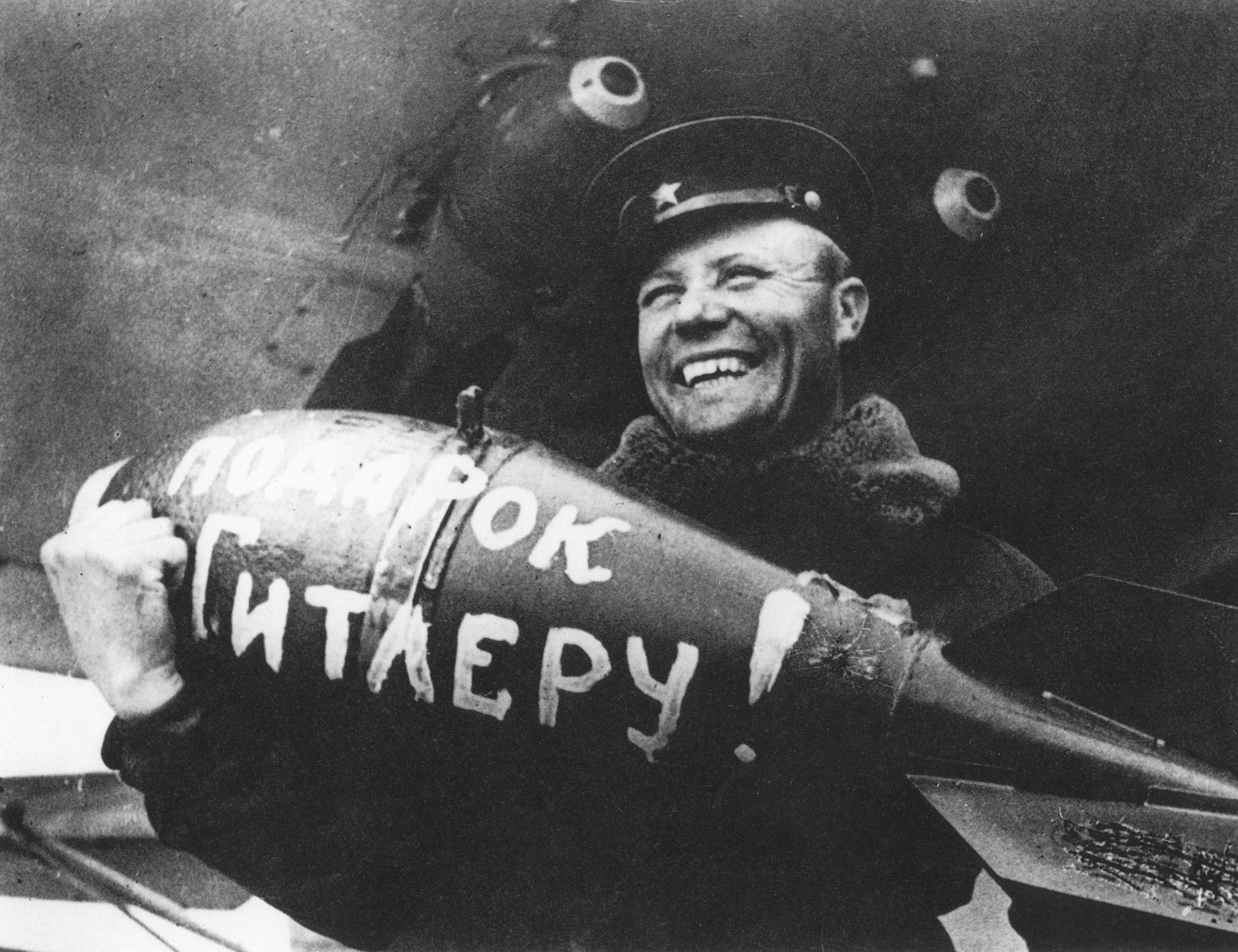
Exactly 85 years ago, on the night of August 7 and 8, 1941, Soviet bombers launched their first retaliatory strike against Berlin.
The secret operation, a strategic decision approved after initial German raids on Moscow and amid a difficult front, sent Soviet planes to drop high-explosive and incendiary bombs on military and transport facilities in the Third Reich capital. The surprise attack shocked the Nazis, who refused to believe Soviet aviators were responsible. The bombings continued until early September 1941, boosting military and civilian morale.
Air raids reach Moscow
Moscow announced its first air raid alarm in early July 1941, sending people to bomb shelters and the metro, though enemy bombers did not appear. Journalist Alexander Werth noted the city maintained its usual rhythm until mid-July.
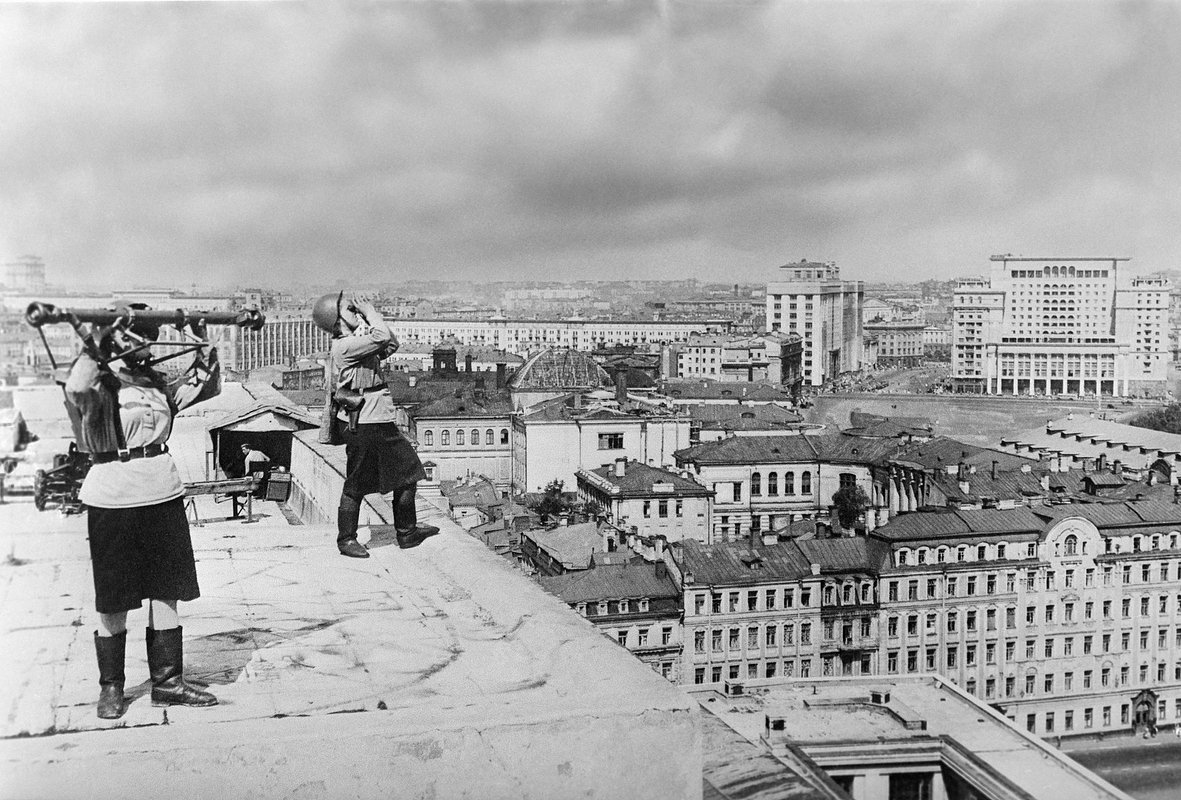
Shops sold food freely without ration cards. Young women wore light blouses, and young men wore bright sports shirts or button-down shirts with embroidered collars. Residents anticipated the Bolshoi Theater production of Swan Lake, cinemas and restaurants were full, amusement parks hummed, and few discussed the war.
The calm broke on July 22 when the Luftwaffe reached Moscow. Frontline correspondent and poet Alexei Surkov recalled German planes flying east in wedges with a terrifying roar, adding that their motors intermittent dull howl was ominous and burned hearts with acute anxiety.
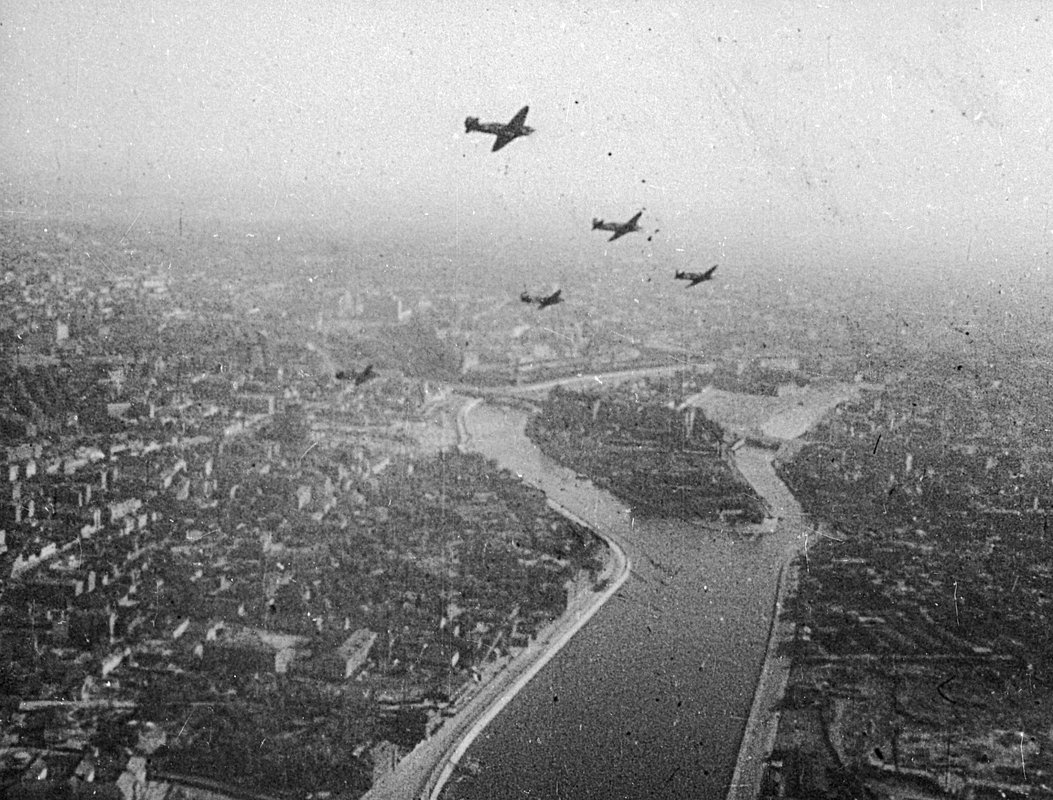
Official data states over 200 German planes flew over the capital around 10:10 p.m. Air defense shot down 17 planes, but buildings burned and people were killed and wounded, though the press wrote little about victims.
Rumors that the raid killed 103 to 130 people, wounded hundreds, and burned over a thousand buildings were close to the truth. Admiral Nikolai Kuznetsov recalled wanting to answer with a raid on Berlin.
Berlin ignores the threat
The German command was confident in the Luftwaffe, believing the Soviet Union had lost its aviation capabilities. Berliners trusted Joseph Goebbels, who trumpeted that Soviet aviation was destroyed, and Hermann Goering, who promised in July 1941 that not a single bomb would fall on German heads again.
Berlin looked ordinary, though shortages were starting. Residents wore civilian and military clothes, theaters held premieres featuring Johannes Heesters and Ilse Werner, and beer halls and parks remained open.
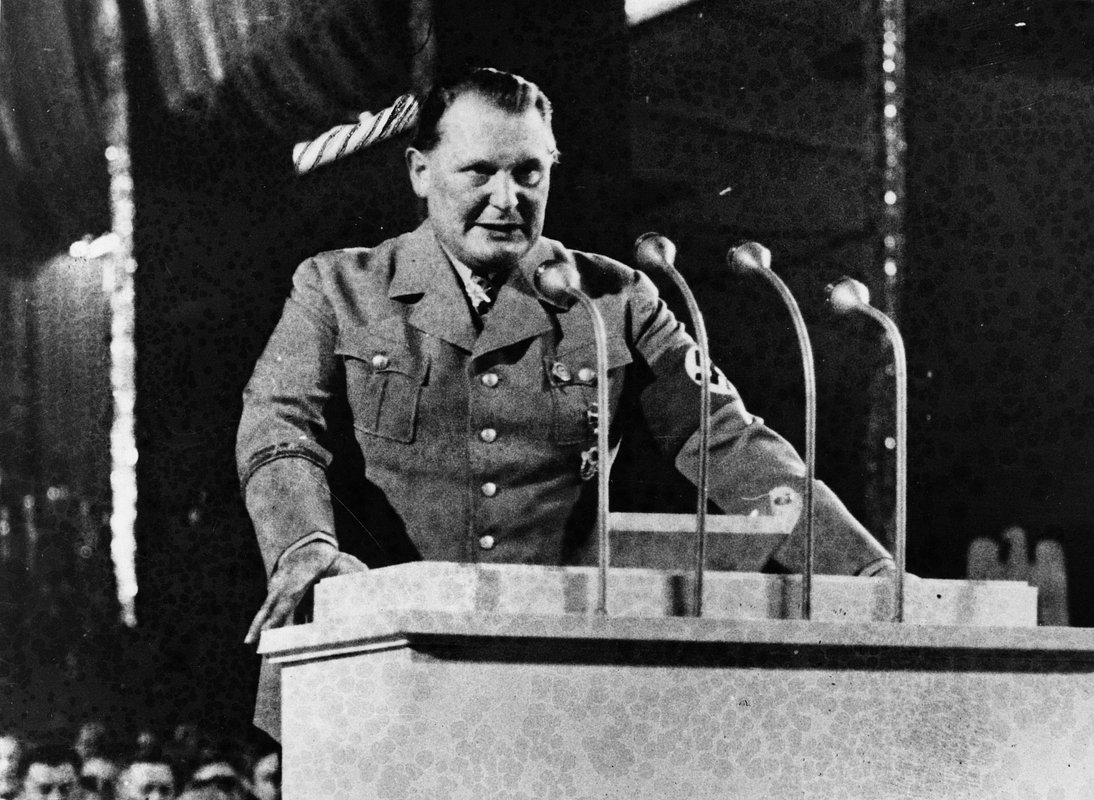
The Soviet command approved the Berlin bombing, initiated by Kuznetsov and Navy aviation head Semyon Zhavoronkov. The Navy took the lead because the Air Force suffered heavy losses in the war's first weeks, leaving Navy aviation better preserved with long-range DB-3 and DB-3F bombers and favorably located airfields.
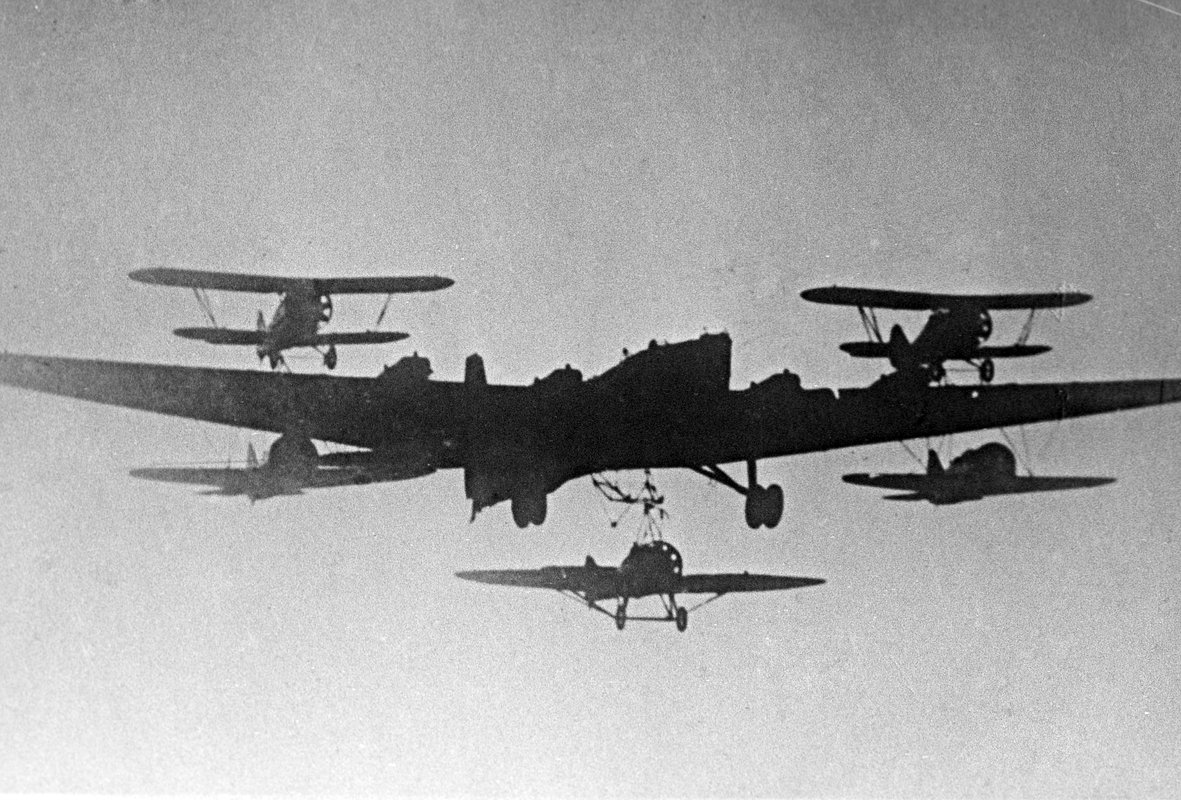
Kuznetsov recalled considering two options: sending bombers from Leningrad airfields to strike German ships in Pillau, or using those airfields to strike Berlin. Using TB-7 and Yer-2 planes from mainland airfields involved great difficulties and risk. The surgical operation required maximum fuel and a single 500-kilogram FAB-500 bomb per plane. The route passed over the sea, demanding strict precision to avoid landing in enemy territory. Kuznetsov wondered if they would send pilots on a mission from which they would not return.
Planning the secret flight
At a meeting with Joseph Stalin, command decided to use the island of Esel, or Saaremaa, for a direct 1,800-kilometer round trip to Berlin, flying 1,400 kilometers over the Baltic Sea. The Kagul airfield on Esel was extended in secrecy.
On August 2, a naval caravan of minesweepers and barges with supplies and construction equipment left Kronstadt, passing the mined Gulf of Finland to Tallinn before unloading at Esel. Crews prepared their planes at Kagul. Kuznetsov stated naval pilots made their first reconnaissance flight on August 3, bombing Kriegsmarine ships in Swinemunde.
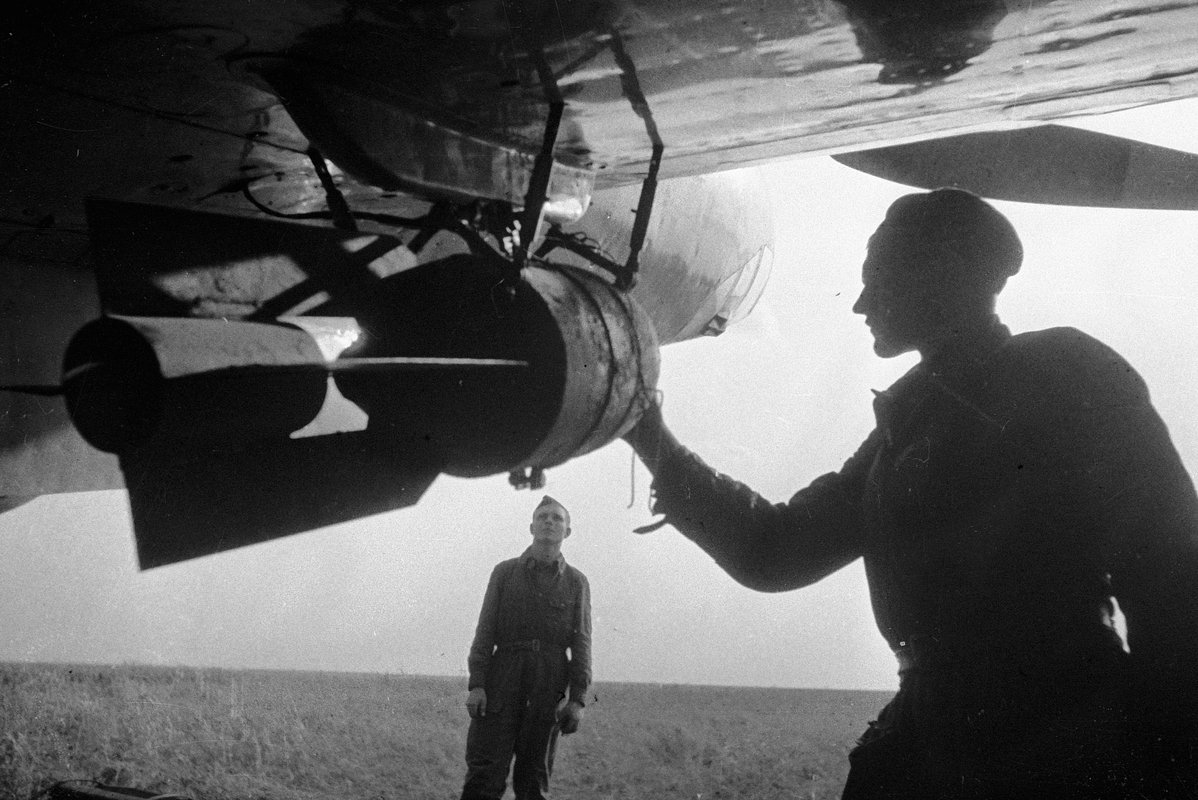
This proved highly trained pilots could take off in heavy machines from Kagul. On August 6, five crews flew reconnaissance to Berlin, finding a deep air defense system with numerous anti-aircraft batteries and searchlights.
The nighttime strike was assigned to the Baltic Fleet Air Force's 1st Mine-Torpedo Aviation Regiment of the 80th Aviation Brigade, commanded by Colonel Yevgeny Preobrazhensky. Following the command to man the planes on August 7, three flights of five DB-3F bombers took off from Kagul at 9 p.m., taking the shortest route through Swinemunde and Stettin to Berlin.
Bombs fall on the capital
On the night of August 7 and 8, 1941, a month and a week after Moscow was bombed, the air raid siren sounded in Berlin. Soviet DB-3F planes dropped incendiary and high-explosive bombs on Stettin and Berlin. Rare British raids had dulled vigilance, and full blackout measures only started after the unexpected Soviet attack began.
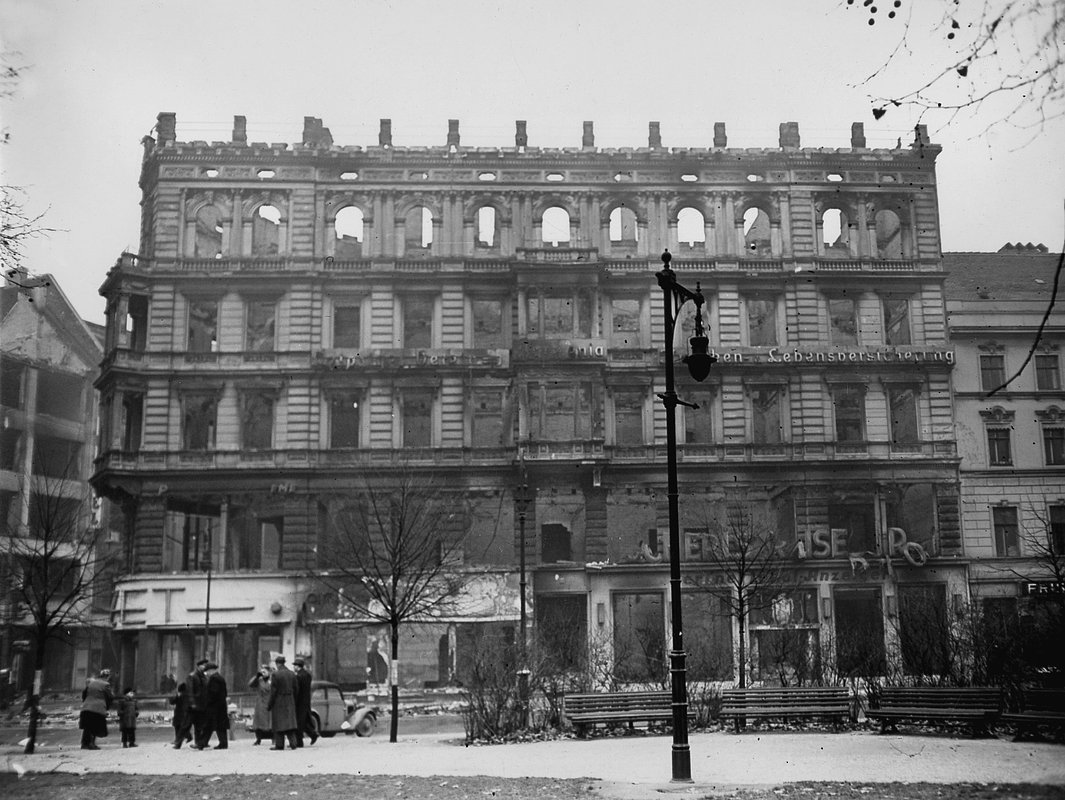
Powerful explosions hit Berlin, shocking residents who mostly knew the war through bravura reports in the Volkischer Beobachter newspaper, propaganda films, and censored radio reports. Kuznetsov noted German observers were so hypnotized by propaganda from Goebbels that they could not believe Soviet planes were overhead.
The military urgently turned off city lighting and fired anti-aircraft guns, but the planes were gone. The next morning, bewildered residents discussed the casualties and Goering's promise.
Newspapers and radio broadcasts claimed Britain attacked Berlin with 150 bombers, causing casualties, and that six English planes were shot down. The British responded that the German report was interesting and mysterious since English aviation did not fly over Berlin on August 7 or 8.
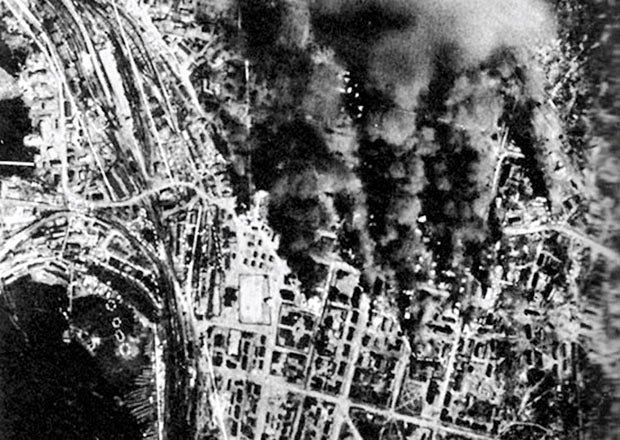
No Soviet planes were shot down that night. Navigator Vasily Krotenko transmitted that his place was Berlin, a phrase as significant for the time as Yuri Gagarin's famous statement that they were off twenty years later. Kuznetsov recalled altitude was the DB-3's only defense, flying above 7,000 meters in minus 40 degree Celsius temperatures that coated cabin glass and goggles with frost and ice.
Rewarding the Soviet pilots
The Soviet bombings of Berlin continued until September 4 and 5, 1941, stopping when Tallinn was abandoned. Kuznetsov reported planes dropped 311 bombs weighing 21 tons across ten raids, registering 32 fires in Berlin. He recalled the days their sea eagles flew to bomb the fascist capital would remain in his memory forever.
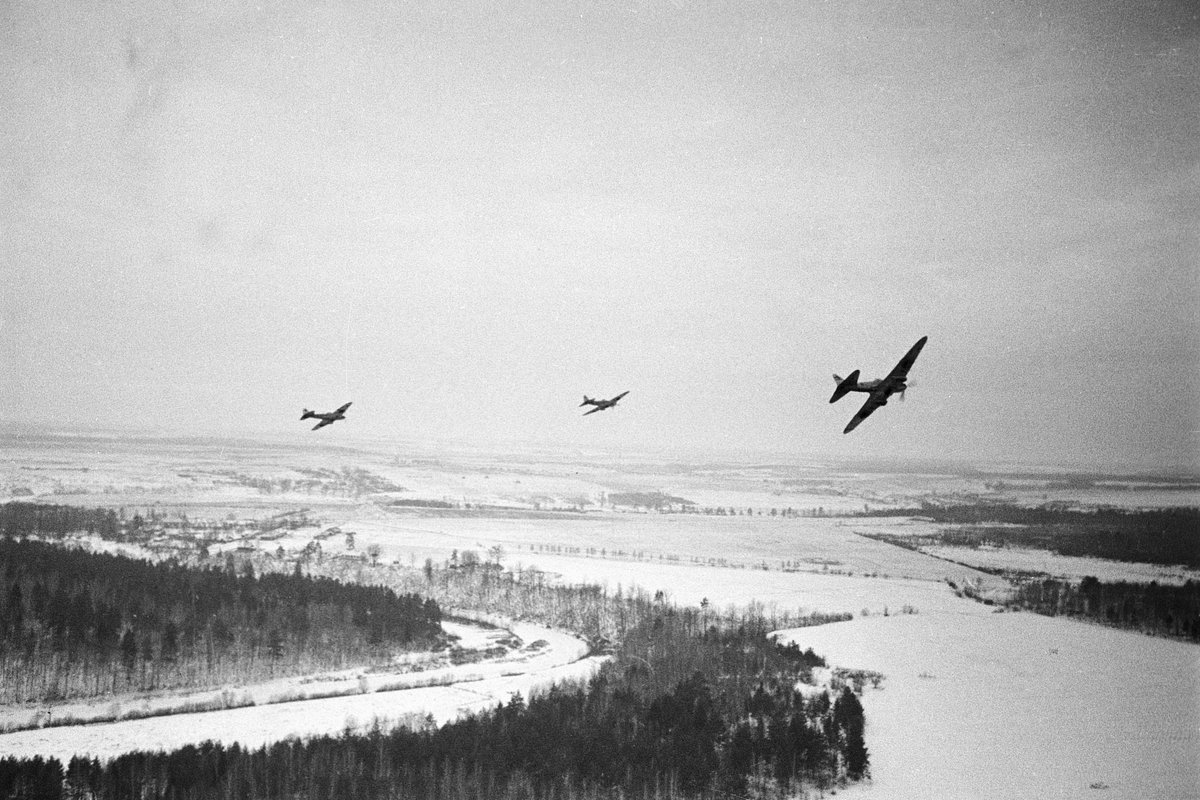
Some planes struck other cities or returned due to technical issues, and the Soviet side lost seven crews and 17 planes, though some sources indicate 18 planes. Participants received orders, and Preobrazhensky, Pyotr Khokhlov, Vasily Grechishnikov, Andrei Yefremov, and Mikhail Plotkin received the Hero of the Soviet Union title. Participants in the first successful raid received 2,000 rubles, enough for a scarce camera or 200 kilograms of beef.
German authorities admitted Soviet aviation remained a dangerous force. The attacks encouraged Soviet citizens, proving the enemy would not go unpunished even in the hardest weeks of the war.
In August 1942, Long-Range Aviation planes bombed Königsberg, Danzig, Berlin, Budapest, and Bucharest. Sergei Ivanov noted flights lasted up to 12 hours and pilots worked to the limit. By 1943, Soviet aviation seized the initiative in the air.
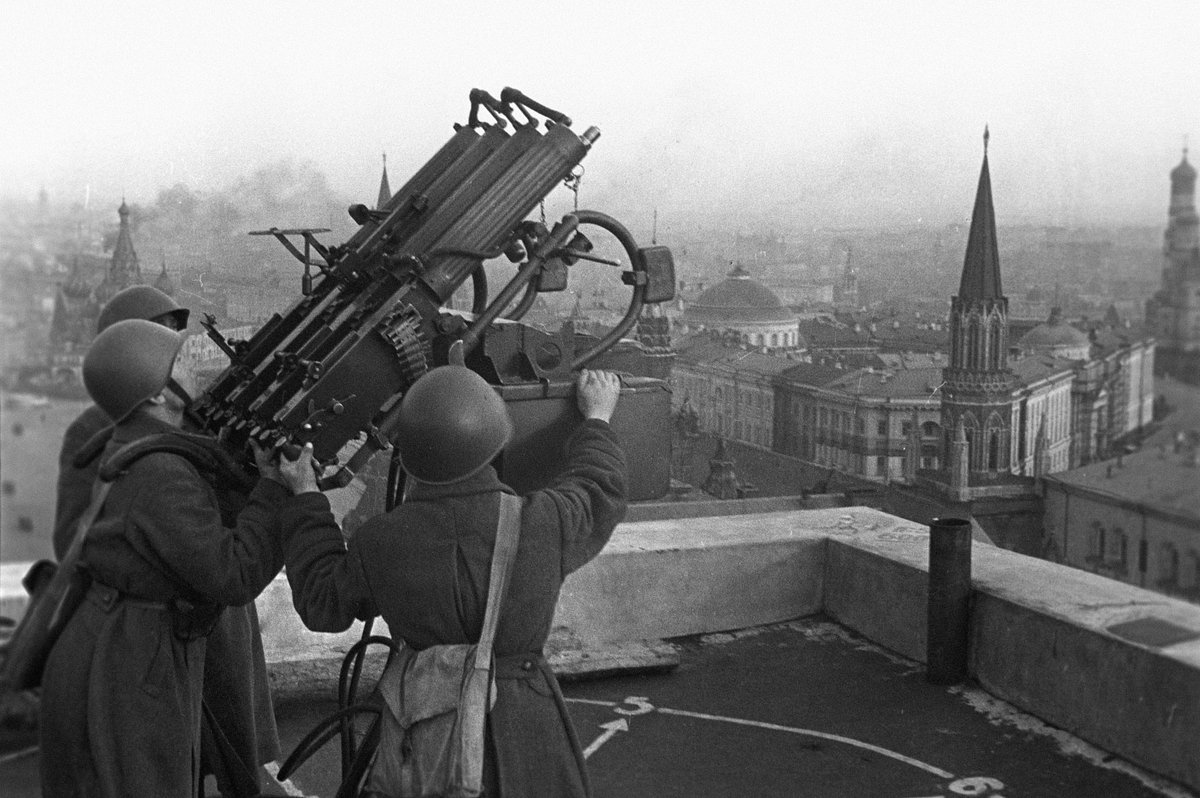
Germans bombed Moscow until mid-1942, but volunteers, including women, the elderly, and teenagers, joined anti-aircraft units. By 1943, Hitler's relationship with Goering deteriorated due to unfulfilled promises and the failing air war. Soviet aces like Alexander Pokryshkin demonstrated high skill, and the Soviet Air Force developed world-class tactics.
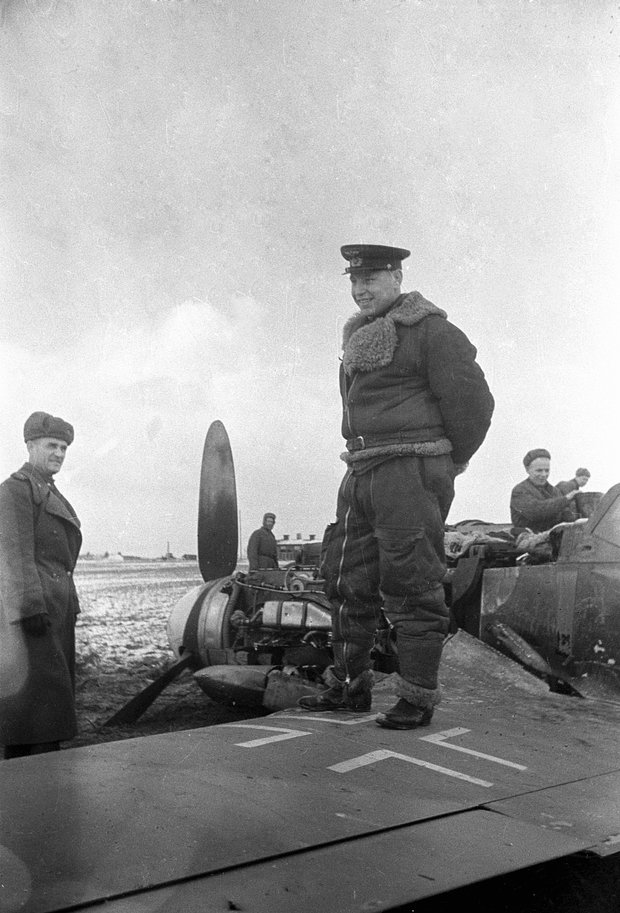
Propaganda about the invincible German army continued in Berlin until the spring of 1945, but the Volkischer Beobachter was eventually closed and the era of the Third Reich ended, having lasted only 12 years instead of the promised thousand, with Goering tried as a war criminal. Emily Dickinson wrote that people need hard times and difficult trials to develop the muscles of the soul, and the Soviet Union emerged with a hardened army, a developed aviation industry, and mass mobilization experience leading to launching the first man into space 16 years later in 1961.