

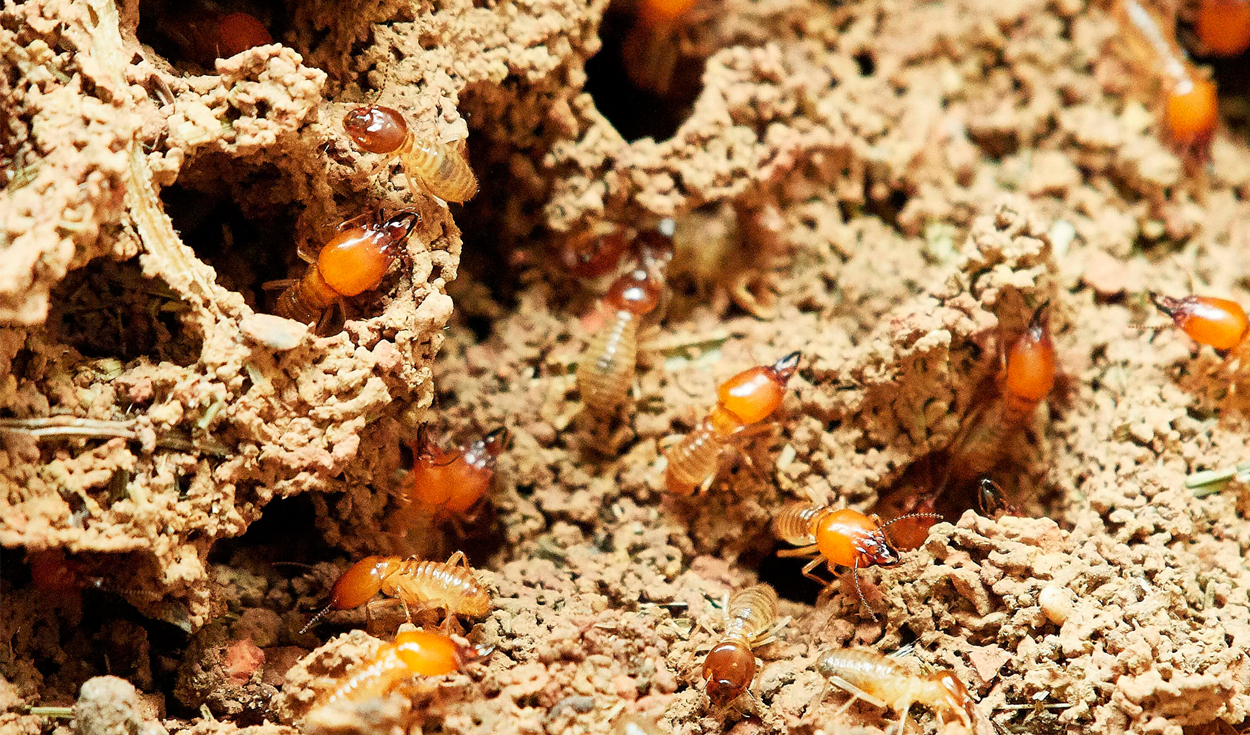
Termites, the small insects best known for damaging wooden structures, are capable of a reproductive feat scientists describe as one of the most extraordinary in the animal kingdom: queens of some species can lay an egg roughly every three seconds, a pace that lets a single colony grow into the millions.
The insects measure less than 5 centimeters long and live on almost every continent, missing only from Antarctica, the coldest region of Earth. Researchers have catalogued more than 3,000 termite species, each with its own methods of feeding, nest building and social organization.
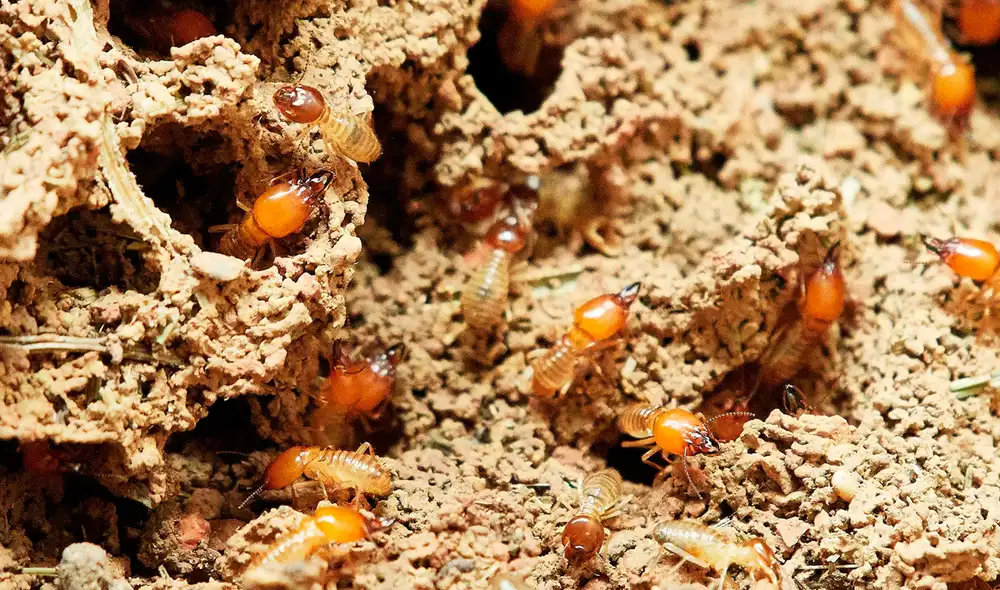
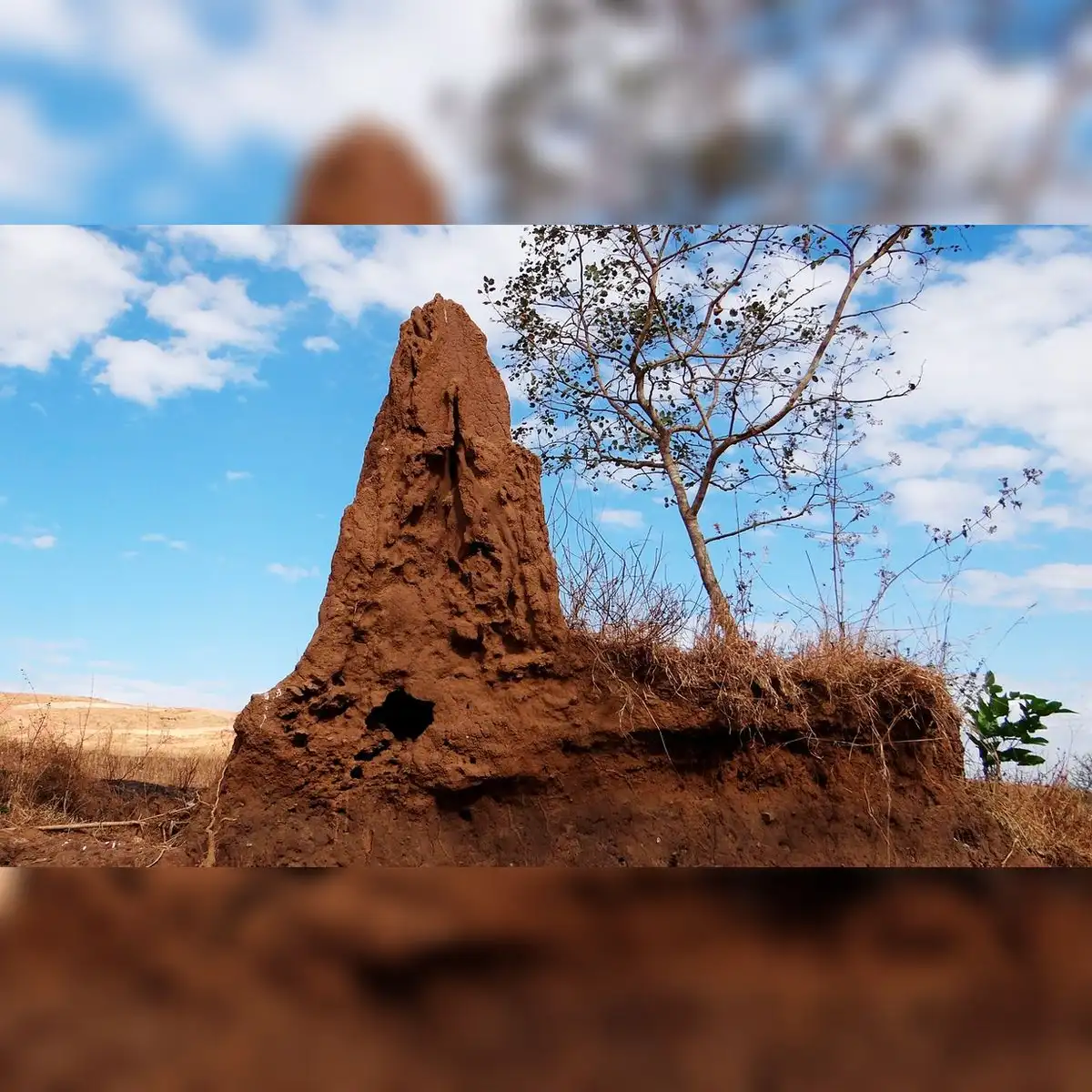
Termites belong to the insect order Blattodea, which also includes cockroaches, and are classified as eusocial insects, meaning they live in cooperative colonies with overlapping generations, a social structure they share with ants and bees. Their mounds are built from soil, saliva and chewed wood, and can be found both above and below ground depending on the species and region.
Why termite queens can lay so many eggs
In the largest species, queens can grow up to 11 centimeters long. Once established inside the mound, a queen stays protected while her main function becomes producing eggs to keep the colony going.
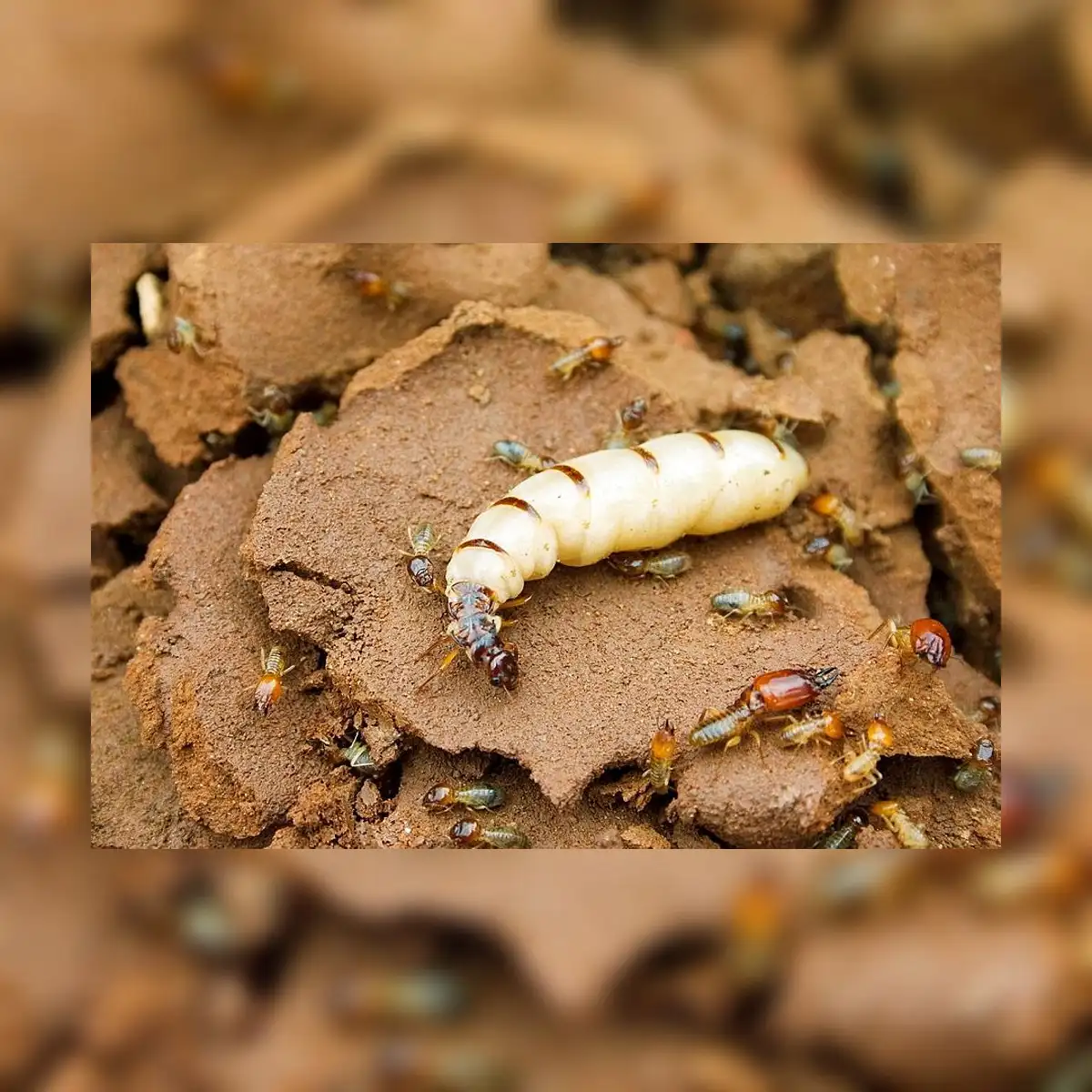
A queen lays an egg about every three seconds, which adds up to more than 30,000 eggs a day. That output allows a queen to live between 30 and 50 years and produce hundreds of millions of offspring over her lifetime, letting some colonies grow to several million members.
How termite colonies divide labor
The insects' success does not rest on the queen alone. Each colony splits tasks among workers, soldiers, a king and the queen, with every group carrying out a specific role in maintaining the mound, caring for the young and defending the wider community.
Despite their reputation as pests that weaken timber-framed buildings, termites also play an ecological role, breaking down dead wood and plant matter and enriching the soil in the ecosystems where they live.



