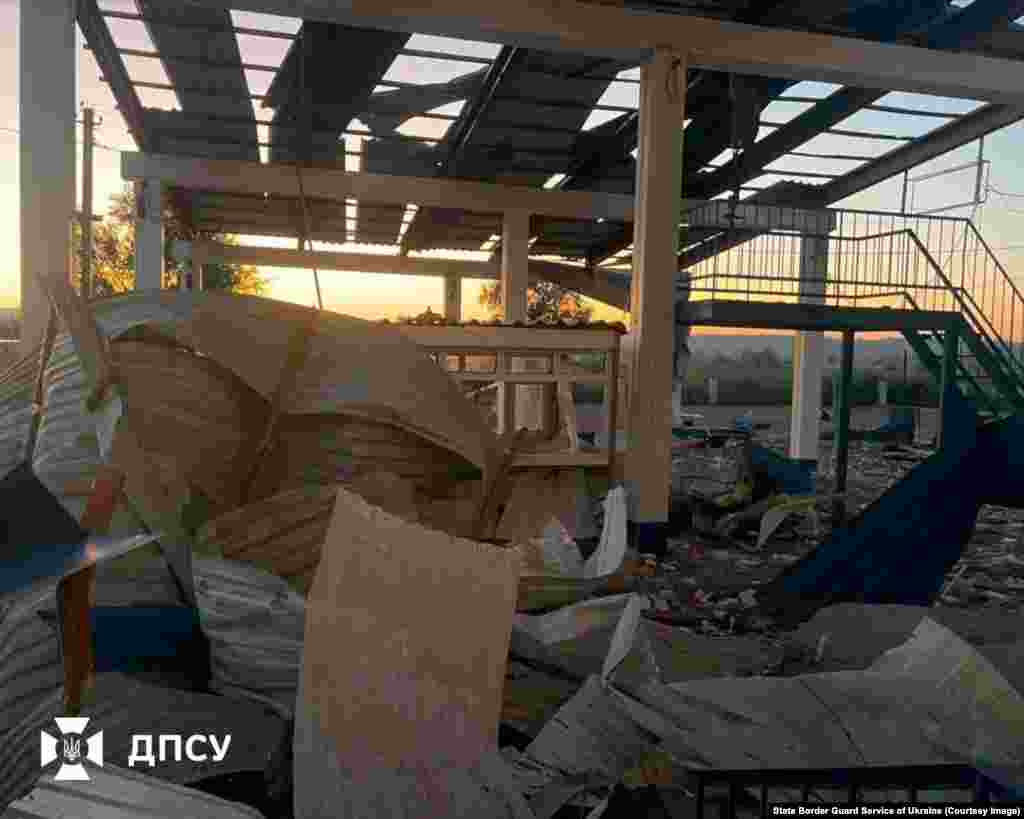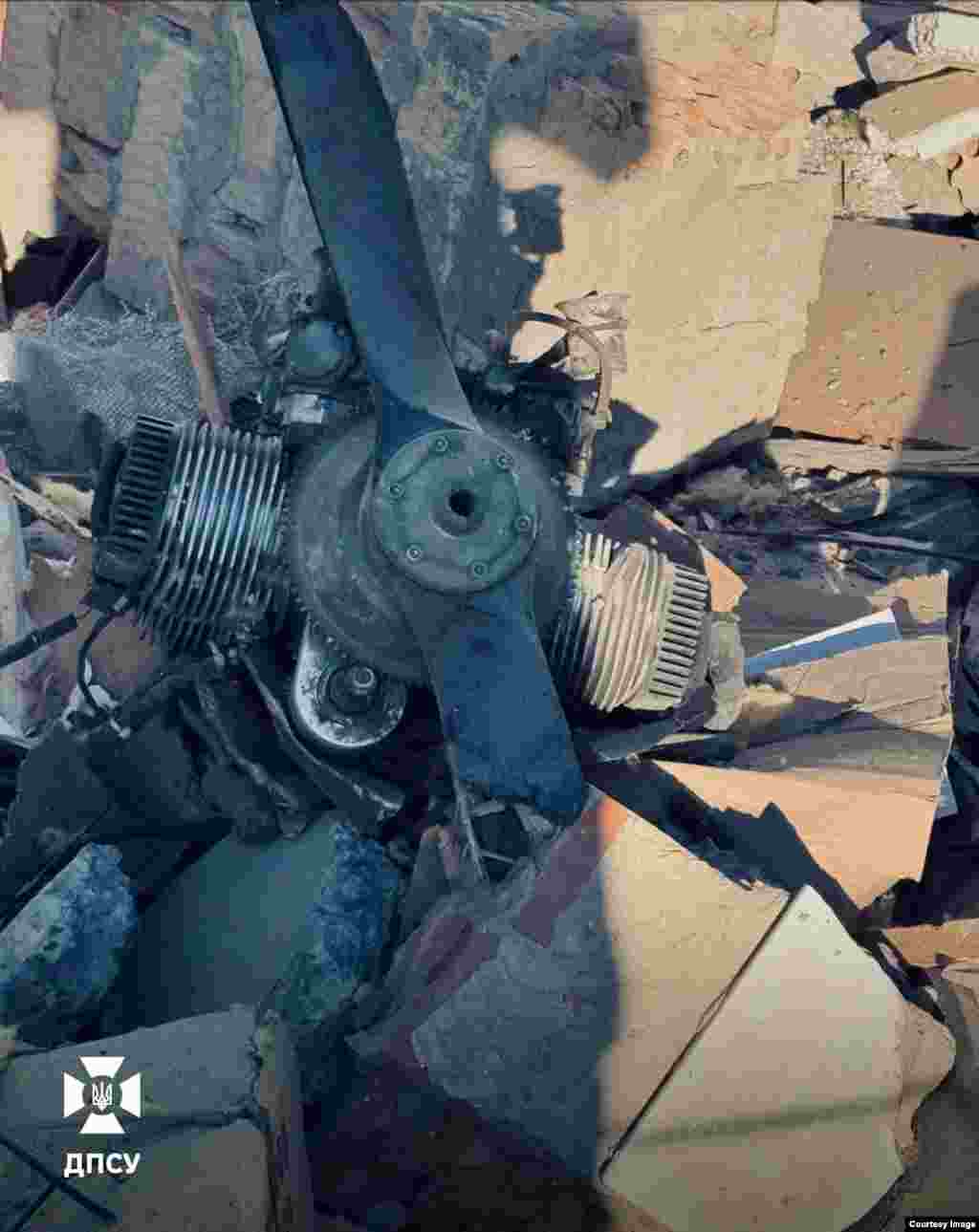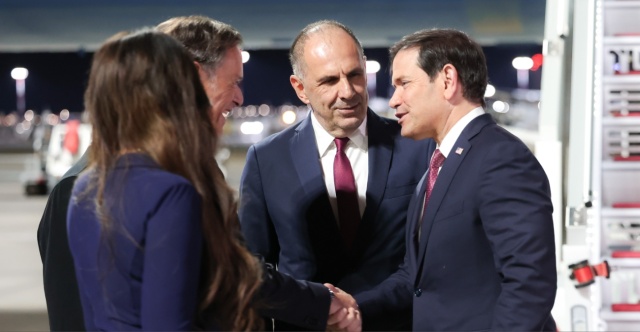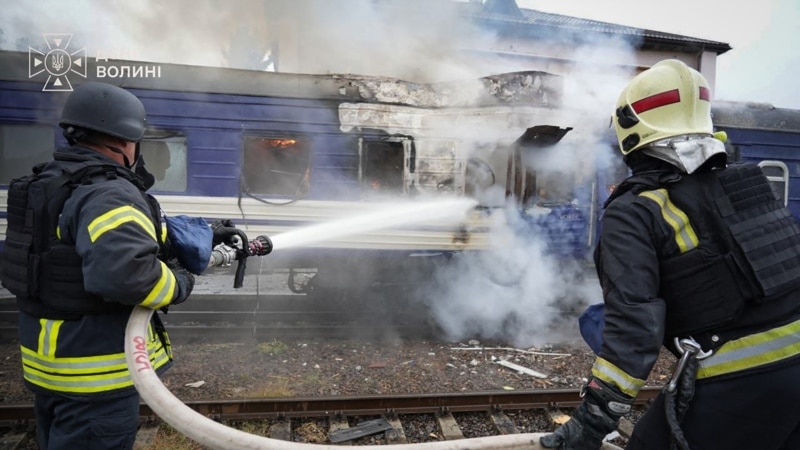
A Russian drone struck the locomotive of a passenger train at Yahodyn station in Ukraine's Volyn region on September 13, just two kilometres from the Polish border, minutes after a train carrying former UK Prime Minister Boris Johnson and other European politicians and diplomats had left the same station following the Yalta European Strategy conference in Kyiv.
Ukraine's national railway operator, Ukrzaliznytsia, said no one was hurt, as passengers had been evacuated 15 minutes before the strike.
Former Swedish Prime Minister Carl Bildt said it was not their train that was hit, but the one that followed a few minutes behind them near the Polish border.
Former CIA director David Petraeus was travelling on another train that remained at the station. Ukrzaliznytsia suggested the diplomatic train itself may have been the intended target, since it left earlier than scheduled; the railway said it adjusts timetables in real time because of the constant threat of attack.
Johnson said what the foreign visitors narrowly avoided is a threat Ukrainians face every day. He described it as a chaotic and senseless attack of the kind Ukrainians endure daily, even on civilian railways, and asked when Ukraine would finally be given the air defences it needs, and why Putin's frozen funds had not been unblocked and handed to Ukraine.
EU and NATO reaction
On the next working day, journalists pressed officials for a response at a summit in Finland, in Germany and at NATO headquarters. Beyond expressions of outrage at Russia and support for Ukraine, no concrete measures were announced.
Finnish Prime Minister Petteri Orpo called the attacks a very dangerous game by Russia, said they should prompt even greater support for Ukraine, and called for tougher sanctions on Moscow.
French Foreign Minister Jean-Noel Barrot said he saw the attack as an attempt to intimidate Europeans and split their ranks. The European Union's top diplomat, Kaja Kallas, voiced a similar assessment.
Kallas said it was a clear attempt to intimidate Western countries into withholding support from Ukraine and staying away from visits there, calling it an unmistakable signal to the Western world. She urged the opposite response, saying the West should show it could not be intimidated.
Reporters asked NATO Secretary General Mark Rutte whether the Alliance was considering helping Ukraine beyond air defence systems such as Patriot missiles, including closing the skies near the border given how close the strikes had come to NATO territory.
Rutte gave no direct answer. He said he does not comment on intelligence matters, and described the train strikes as a sign of Vladimir Putin's despair and his wish to spread fear and terror. He said the response would always be to increase support for Ukraine, so whatever Putin hoped to achieve, he would not achieve it.
Strikes near NATO's border
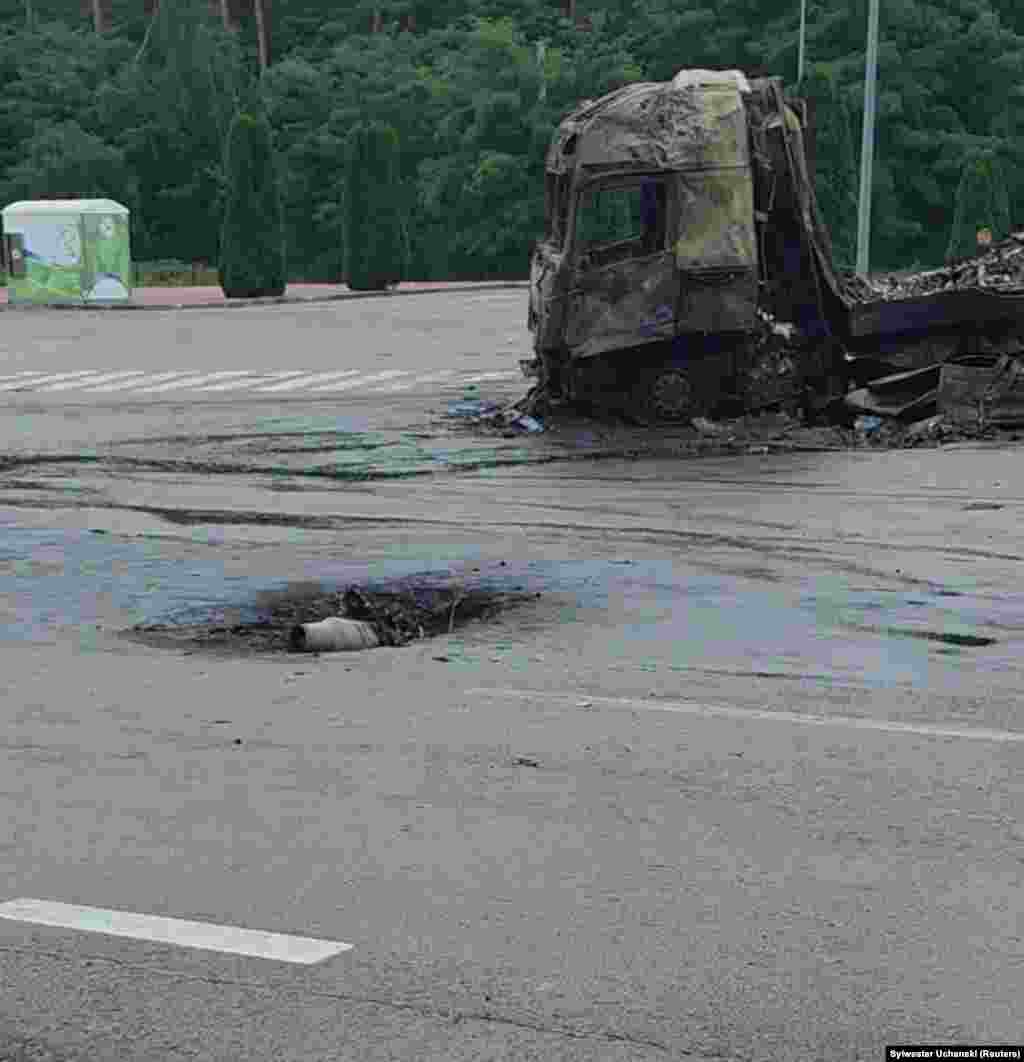
The same night, a separate attack hit near the Yahodyn-Dorohusk road border crossing, just 800 metres from Poland. A drone hit trucks at a fuel station, and the crossing temporarily suspended operations.
Polish Prime Minister Donald Tusk convened the heads of the country's security services and announced significantly heightened readiness, saying Poland could not rule out that the escalation would reach its own territory.
Polish Foreign Minister Radoslaw Sikorski said debate was ongoing in Poland and within NATO over whether to intercept threats over Ukrainian territory, and that he personally supported the idea, according to Onet, citing the BBC.
Sikorski said that when a cruise missile is heading toward Poland, as happened a month earlier when one exploded on Polish soil, it is far better to shoot it down in self-defence while it is still in Ukrainian airspace than to let it be shot down over Poland, where falling debris could strike someone.
Military expert and former Ukrainian security service officer Ivan Stupak said this is unlikely to happen for now. He said there is concern that if NATO weapons, targeting systems and personnel began shooting down threats over Ukrainian territory, it would be treated as a direct clash between the Alliance and Russia, and that Poland has no wish to be drawn into the war in any way.
German Defence Minister Boris Pistorius struck a similarly cautious note, calling the situation very and very serious while urging calm and warning against being provoked.
A pattern of attacks on the railway
Rail travel has long been considered Ukraine's safest way to travel abroad, used by millions of Ukrainians and foreign visitors alike. But Russia has struck the railway more than 1,500 times since the start of the year, according to Ukraine's Ministry of Infrastructure.
Johnson drew attention to the toll, saying that to date 1,700 Ukrzaliznytsia employees have died because of Putin. As of early September, Russia had damaged a total of 508 locomotives and 249 railcars, and Ukrzaliznytsia has asked Western partners to hand over used locomotives.
Stupak said Russia's aim is not only to disrupt passenger travel but to halt the flow of aid from partners, since rail transport lets military cargo be loaded, moved and unloaded quickly on a large scale, affecting logistics broadly.
He said border crossings linking Ukraine to the EU are especially vulnerable, describing them as a bottleneck where large volumes of cargo and people make an easy target.
He suggested one way to cut the risk would be for Poland to help intercept Russian aerial targets several dozen kilometres inside Ukrainian territory, by deploying its own air defence and radar systems, not necessarily costly Patriot batteries but simpler systems covering a depth of 10 to 20, or 30 to 40, kilometres.
Such protection depends on allies having the political will to act over Ukrainian skies, which he said does not currently exist. For now, Kyiv can only ask partners to help repair or replace damaged equipment, while rail staff rely on monitoring threats, adjusting timetables and evacuating passengers.
Other border crossings hit since late August
Russian drone strikes have hit several other crossings along Ukraine's western border since late August. The Orlivka crossing on the Romanian border, which leads to a car ferry across the Danube, was hit on September 1 and struck again on September 6.
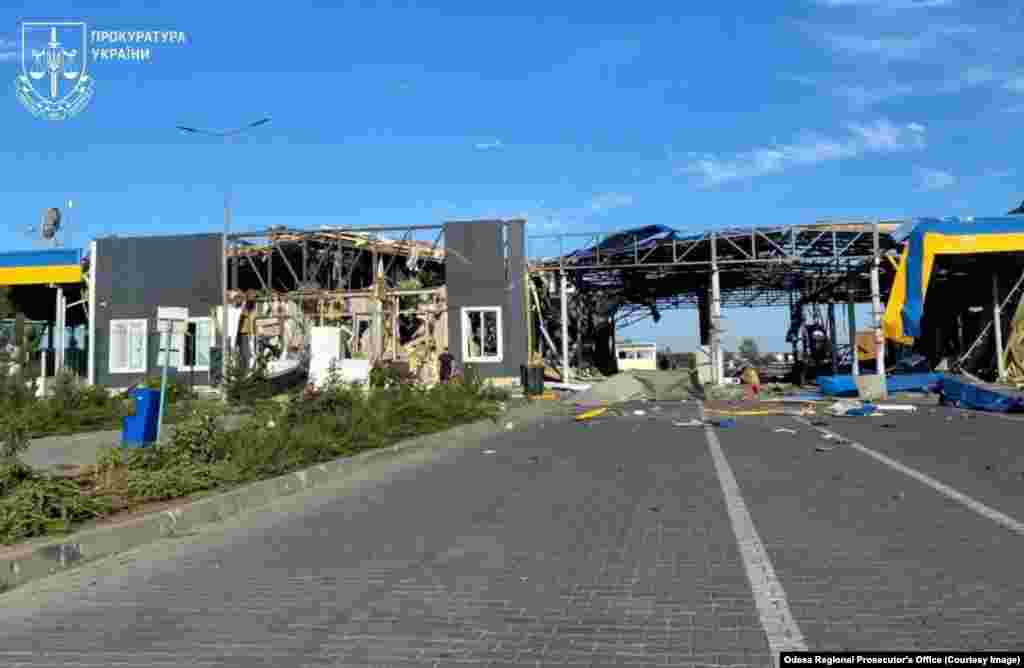
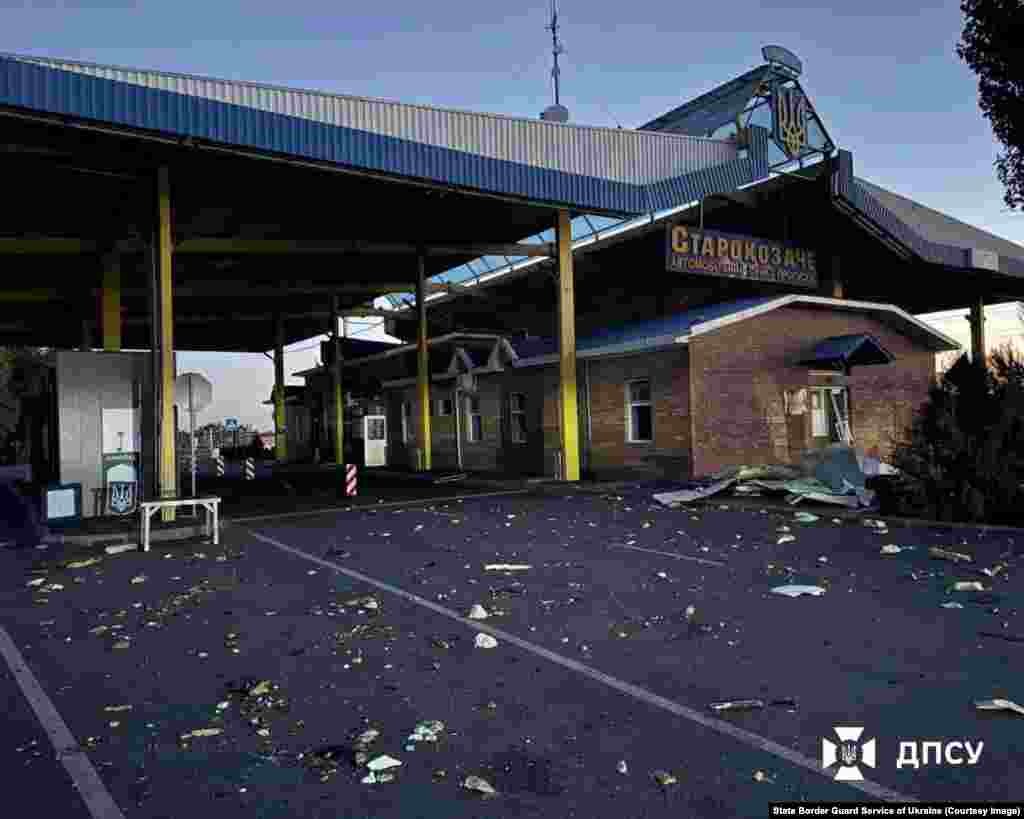
The Starokozache crossing on the border with Moldova was hit by a series of Russian drone strikes on September 9, killing two people. Russia said the crossing was targeted because it was being used to deliver military cargo into Ukrainian territory, describing the site as a logistics facility.
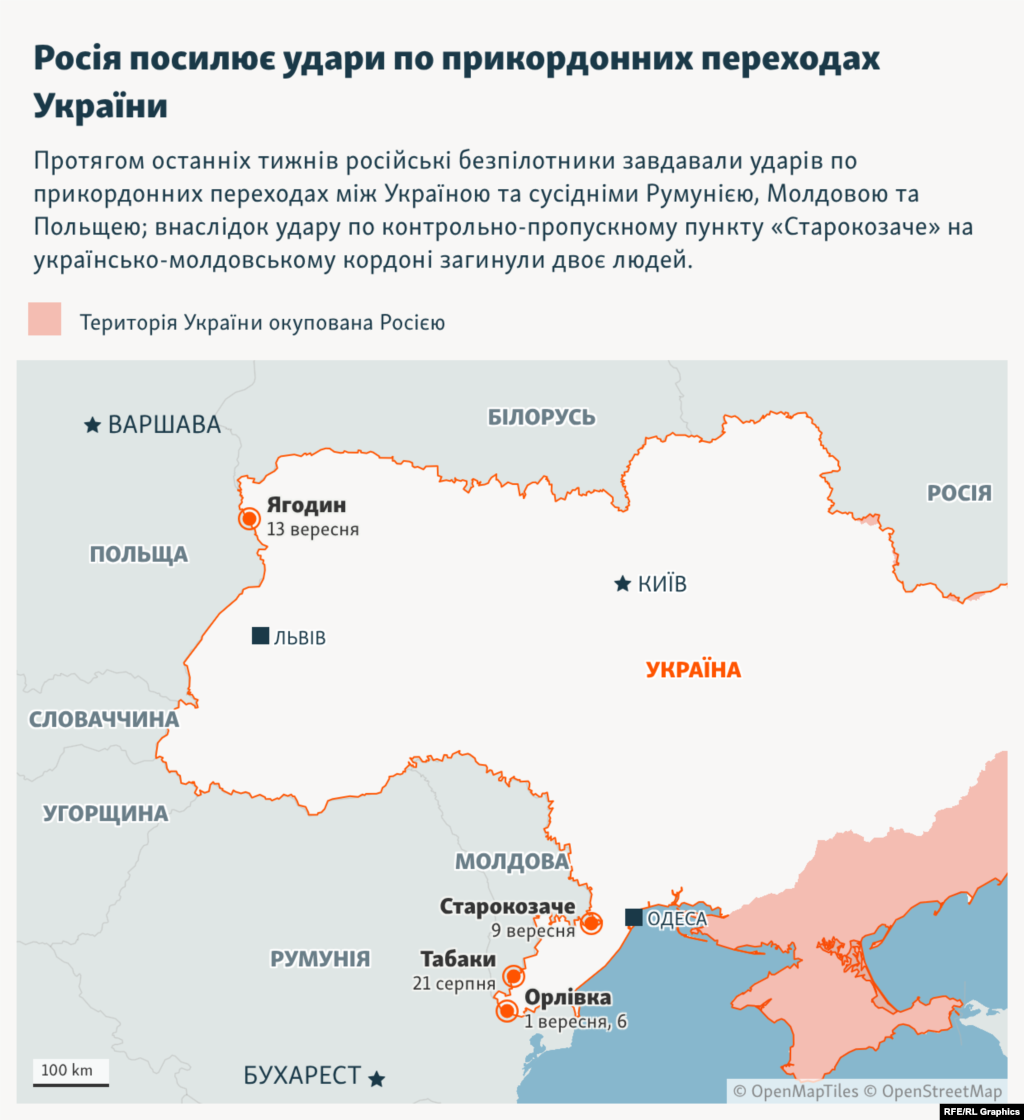
The Tabaky crossing on the border between Moldova and Ukraine was damaged on August 21. Ukraine's border police said it was hit by a Russian drone. The day before, authorities in Chisinau reported a drone had exploded on Moldovan territory near the border with Ukraine.