

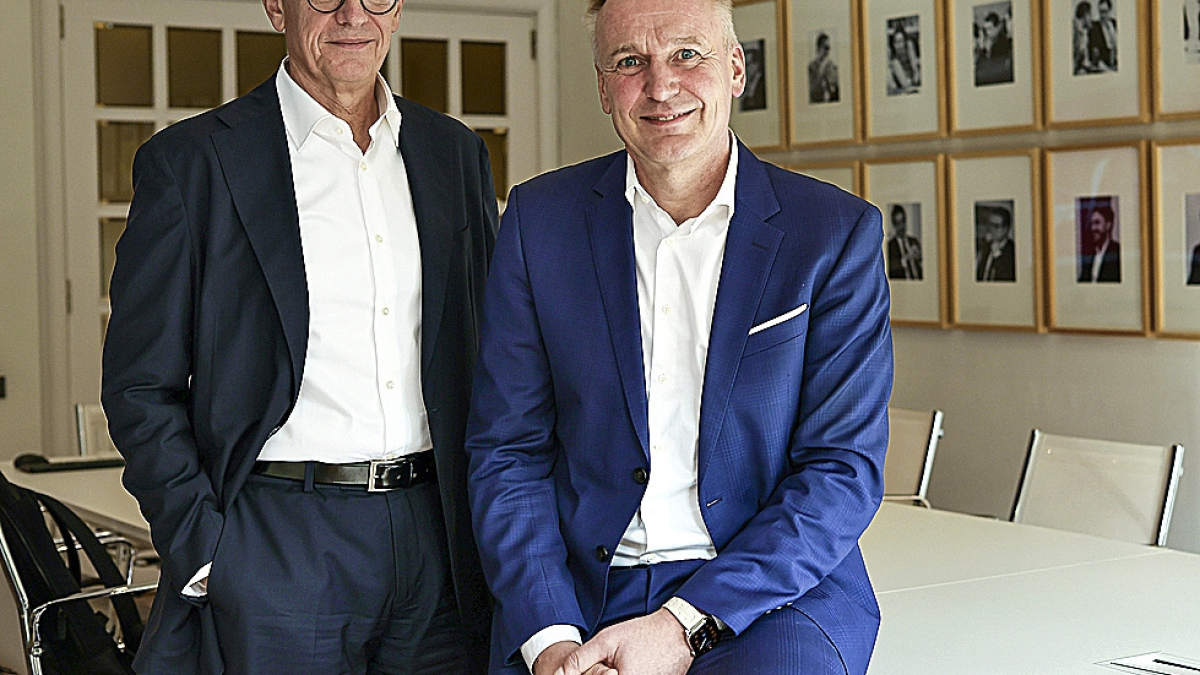
German drinks group Henkell, which took full ownership of Spanish cava producer Freixenet in March, says innovation and adaptation to new consumer tastes will be central to the company's strategy going forward.
Andreas Brokemper, chief executive of Henkell Freixenet, gave his first interview since completing the purchase of the remaining 50% of Freixenet, a deal that ended eight years of shared ownership with the Ferrer family. He said the companies now act as a single business, and that the only real change is that he now visits Sant Sadurni d'Anoia, the town near Barcelona where Freixenet is based, more often.
Brokemper leads the group from Wiesbaden, Germany. Henkell posted sales of 1.25 billion euros in 2025 and belongs to one of the branches of the Oetker family's business empire.
Brokemper said the company needs to be innovative because sparkling wine consumption has changed, and that it must cater to new consumers. He added that Freixenet will remain the group's most important brand but that innovation is crucial, pointing to a shift in taste toward less complex, fruitier sparkling wines.
He praised the progress Freixenet made under the Ferrer family, saying its global success was impressive but that it had to adapt to current consumption trends to continue it. He said he personally loves gran reserva cava, but that younger drinkers prefer other types of sparkling wine, and the company has to offer something for them. He also said the way people drink and celebrate has changed and will keep changing, with sparkling wine increasingly consumed outside special occasions, often as an aperitif or mixed with other drinks.
Despite setbacks in recent years from the Covid pandemic and drought, Brokemper said he is satisfied with Freixenet's international performance, noting it leads the market in 70 countries, and that the goal is for Freixenet to grow faster than the wider cava market.
Cava loses ground to prosecco
Freixenet produces around 100 million bottles a year, but only half of that is cava, sold under flagship brands including Carta Nevada and Cordon Negro, according to technical director Josep Palau. The other half is sparkling wine from other categories, mainly Italian prosecco.
That prosecco business has made Freixenet the leader in the British sparkling wine market, Brokemper said, arguing that prosecco has reshaped consumer preferences.
Italian prosecco producer Mionetto, bought by Henkell in 2008, is the group's other major brand alongside Freixenet, which added the prosecco designation to its range in 2018. Brokemper called them the group's global icons.
To support its innovation drive and boost output, the company has recently invested 2.6 million euros in the facilities of Unio Cellers del Noia, also based in Sant Sadurni, Palau said. Around 80% of the firm's revenue comes from international markets across roughly 100 countries, with the remaining 20% from Spain. Germany and the United Kingdom are its leading export markets, ahead of the United States and France, Palau said.
Freixenet posts first loss
As Expansion reported on 3 November, Freixenet SA, the largest firm in the Catalan cava and wine group, fell into losses of 14.4 million euros in 2025, compared with a net profit of 5.3 million euros in 2024. Revenue dropped 19% to almost 188 million euros.
The company blamed the results on two years of drought in the Penedes region and on severance payments linked to a layoff plan that ultimately affected 154 workers. Freixenet's workforce totals around 650 employees, including staff at Segura Viudas and Unio Cellers del Noia.
Palau said the restructuring was necessary to make the business more efficient and sustainable and is now complete, with operating costs down 26%. He said the company still feels the effect of high costs this year but, with the adjustments made, could return to profit in 2027.
Industry-wide export slump
Palau, who sits on the full board of the Consejo Regulador del Cava, the body that oversees the cava designation, called for greater resilience across the sector to face the current crisis. That crisis has included the exit of Juve y Camps, one of the largest cava producers, from the designation, and a 19% fall in exports last year.
That decline followed an 18% drop the previous year and was driven mainly by a collapse in cava sales in Germany. The slump followed Freixenet's 2024 decision to replace its cava exports to Germany with an alternative sparkling wine, a move it justified at the time by a shortage of grapes within the designation's growing area. Brokemper said the Freixenet brand is now stronger in Germany, arguing that German consumers love fruity Spanish sparkling wines.
Codorniu takeover ruled out
Brokemper smiled when asked about reported interest from Henkell in Codorniu, Freixenet's long-standing rival. Carlyle, the US investment group that controls 68% of Codorniu, put the winery up for sale in 2025, a process that remains open. Brokemper would say only that one should never say never, while denying that a possible acquisition of the firm founded by the Raventos family is currently on the table.
What happens next
Freixenet's technical director Josep Palau said the company could return to profit in 2027, while Carlyle's process to sell rival Codorniu, launched in 2025, remains open.
Test yourself
Which company took full ownership of Freixenet in March?
How much did Freixenet SA lose in 2025?
What share of Freixenet's bottle production is cava?
Have your say
Do you prefer traditional cava or newer, fruitier sparkling wines?
Where it happened
Sant Sadurní d'Anoia, Spain


