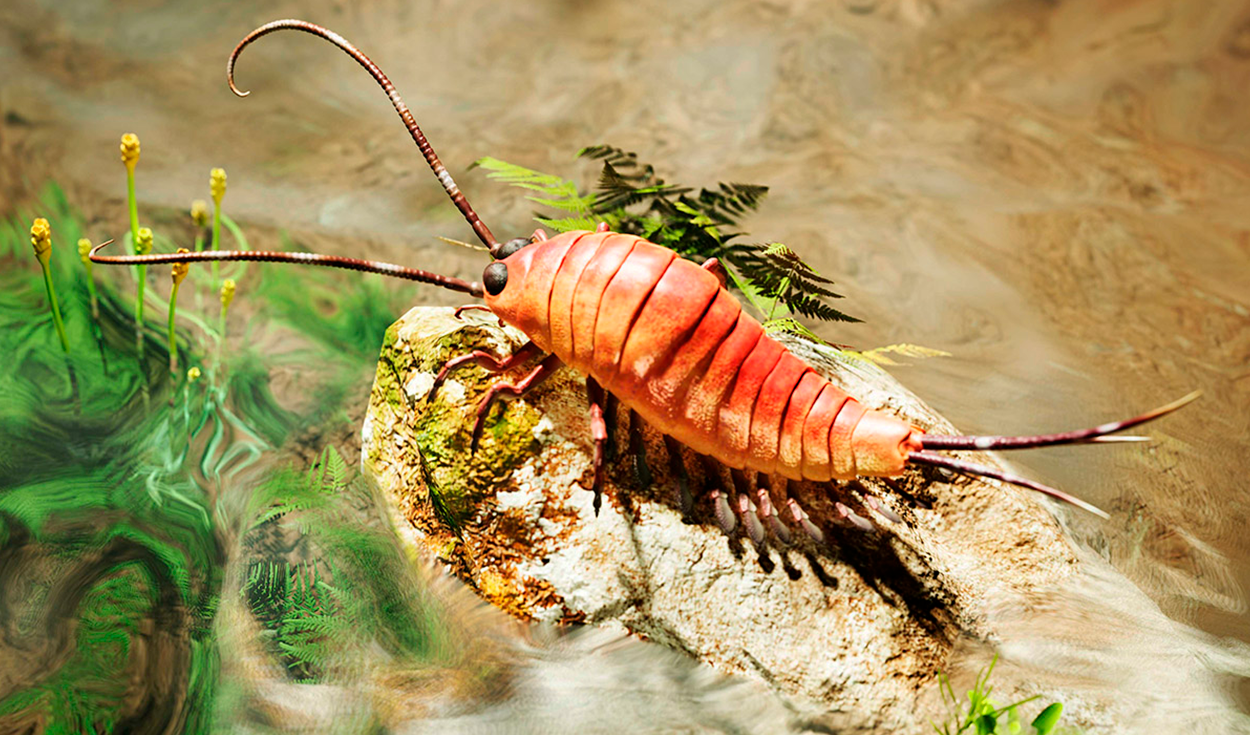
A 324-million-year-old fossil discovered in western Texas shows that early insects transitioning from the sea to dry land possessed 24 legs.
Researchers reclassified the ancient specimen, named Chosha praecursor, after finding that it combined classic insect traits with physical characteristics inherited from its aquatic ancestors.
The study, published in the journal Nature, was led by Erik Tihelka, a paleontologist at the University of Cambridge in the United Kingdom. Researchers analyzed the fossil alongside other ancient specimens found in Scotland and Illinois to fill a long-standing gap in the evolutionary history of insects.
Reclassifying a Texas Discovery
The fossil was originally collected in 1985 from the Tesnus Formation near Big Bend National Park in western Texas. For decades, the specimen remained stored in the collection of the San Diego Natural History Museum in California.
Museum staff had long cataloged the creature as a juvenile specimen of Tesnusocaris goldichi, an ancient crustacean. Its true identity emerged when Tihelka spotted an illustration of the specimen in an old Russian book, prompting him to re-examine the physical artifact.
Tihelka and his colleagues used polarized light analysis to examine the fossil, revealing fine anatomical details that previous researchers had missed. Polarized light microscopy enhances structural contrast in fossilized rock specimens, allowing paleontologists to distinguish subtle organic boundaries.
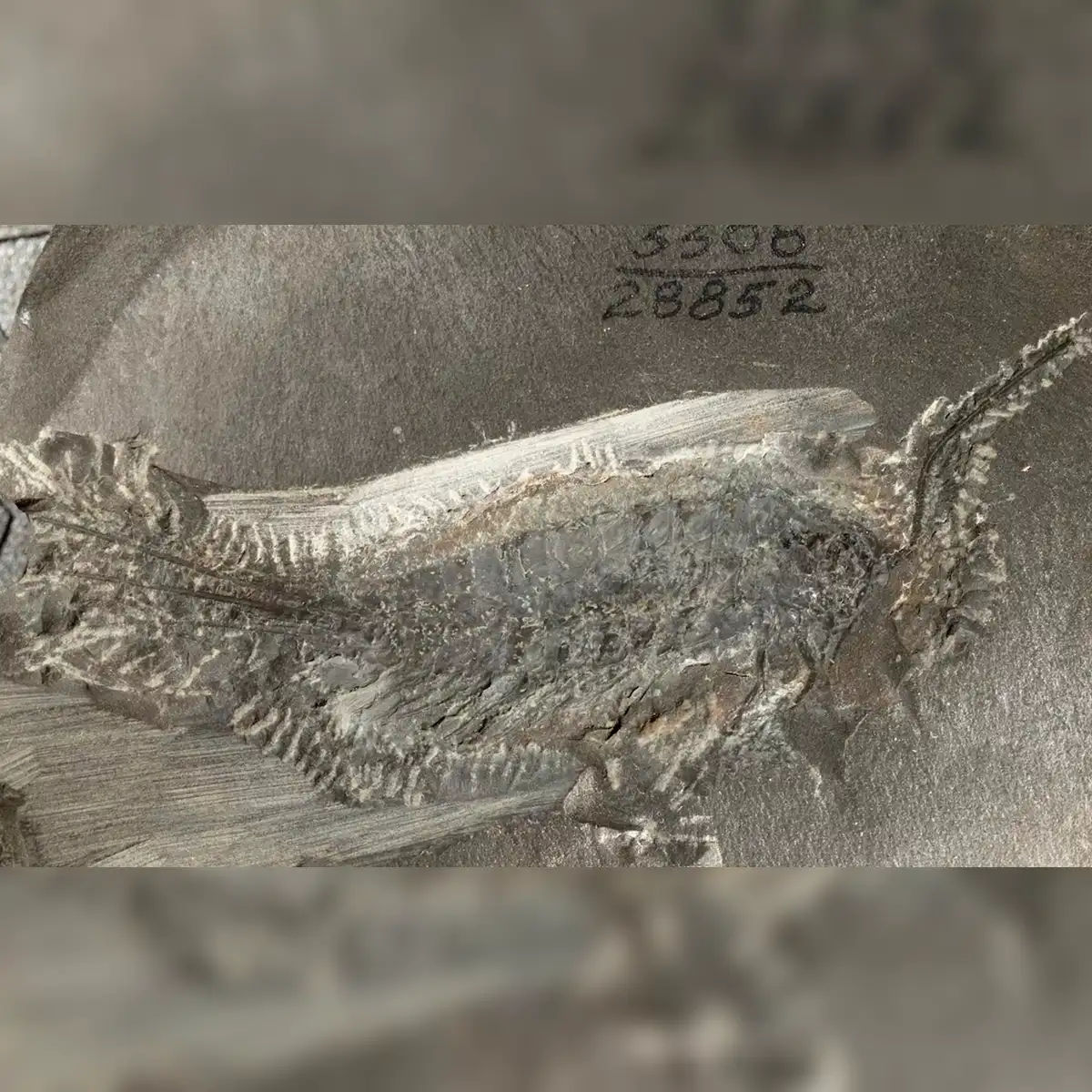
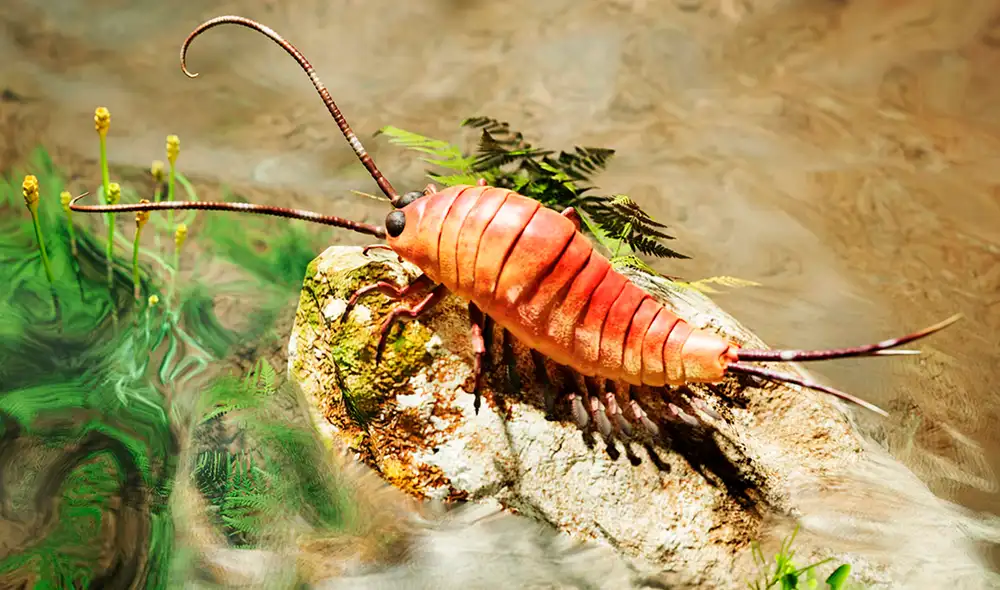
The detailed imagery showed that Chosha praecursor possessed a thorax divided into three distinct segments, three pairs of legs used for walking, a pair of antennae, an 11-segment abdomen, a long tail filament, and a specialized tubular structure used for laying eggs.
In addition to its six primary walking limbs, the creature featured nine pairs of short legs along its abdomen, bringing its total leg count to 24. Modern insects, by contrast, possess only six legs attached to the thorax.
Adapting from Water to Land
The extra limbs provide vital clues regarding how early insects adapted to terrestrial life. The legs located at the rear of the abdomen ended in flattened, paddle-shaped structures.
Specialists propose that these specialized paddle limbs helped the creature move through shallow waters or served a function similar to gills. The discovery places Chosha praecursor near the evolutionary origin of modern insects, though outside the group that contains all living insect species.
Tihelka said the transition to land may have been gradual, noting that the physical features suggest these ancient animals were capable of navigating both aquatic and land environments.
Evolutionary Loss of Extra Limbs
To map out the evolutionary timeline, the research team compared the Texas specimen with three other ancient fossils that preserved abdominal limbs or appendages. One of these specimens was Leverhulmia, a fossil found in Scotland and dated to approximately 405 million years ago.
The other two specimens came from the Mazon Creek fossil beds in Illinois, a site renowned for preserving soft-bodied organisms from the Carboniferous era. Taken together, the four fossils demonstrate that early wingless insects exhibited far greater anatomical diversity than previously understood.
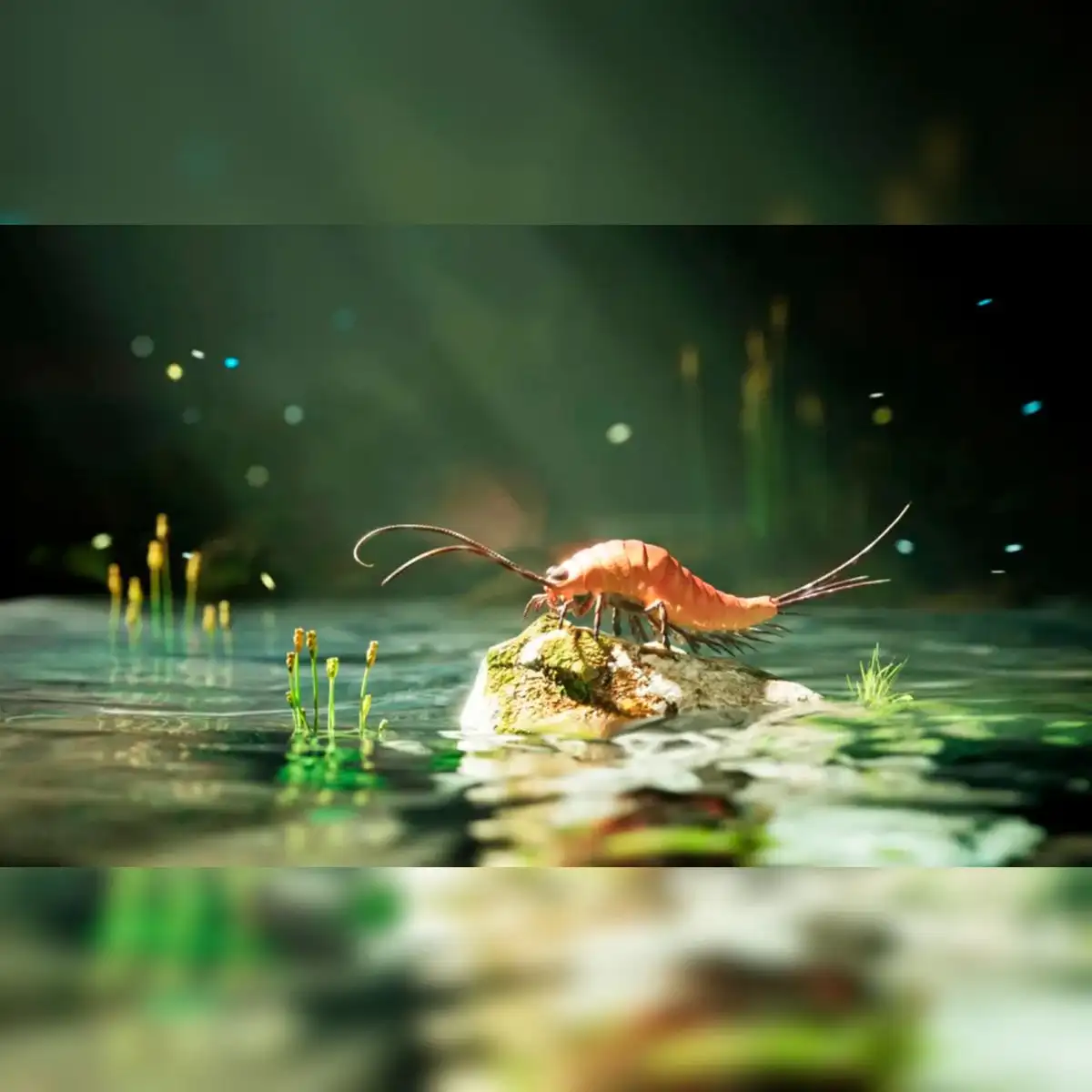
Over time, insect lineages with numerous abdominal limbs died out, while a separate lineage survived and gave rise to modern insects. As evolution progressed, the extra abdominal legs vanished, leaving only the three pairs of walking limbs found today on beetles, bees, butterflies, and millions of other living species.
Tihelka said that while scientists call this broad group hexapods, meaning six legs, the earliest members of the lineage turned out to have many more.