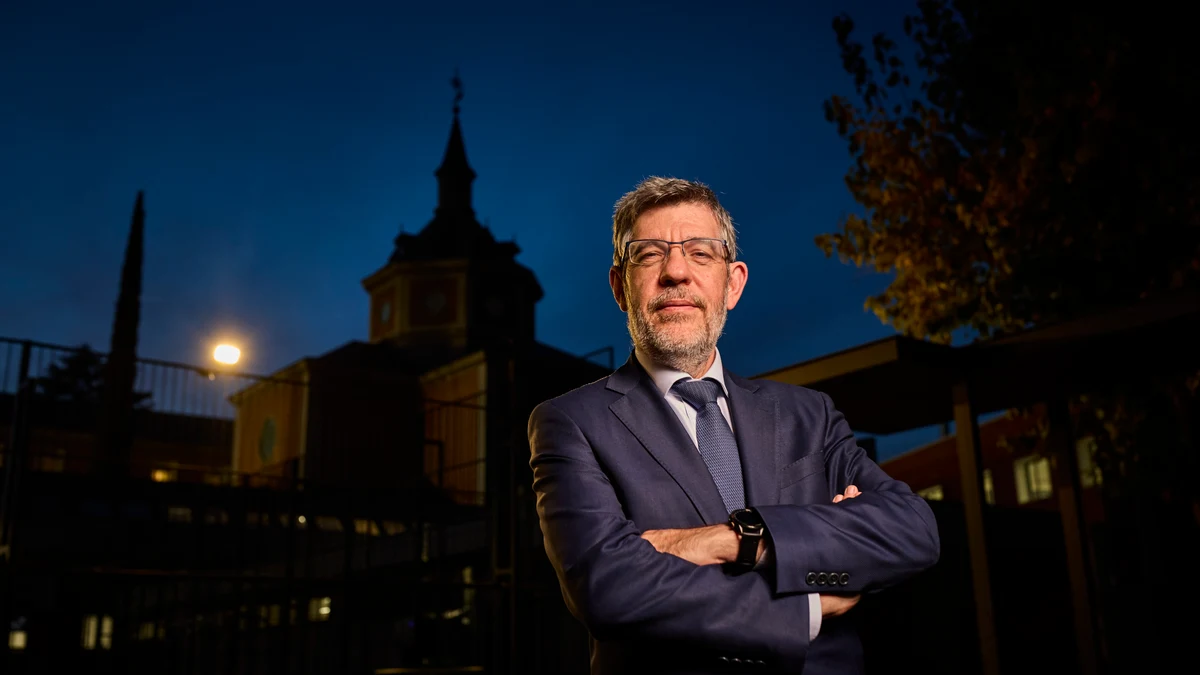
Alberto Nadal, the deputy secretary for economy and sustainable development of Spain's Partido Popular (PP), said immigrants coming to Spain must come to work in a regulated way, not simply to claim benefits, as part of the economic programme the conservative party plans to apply if it wins power.
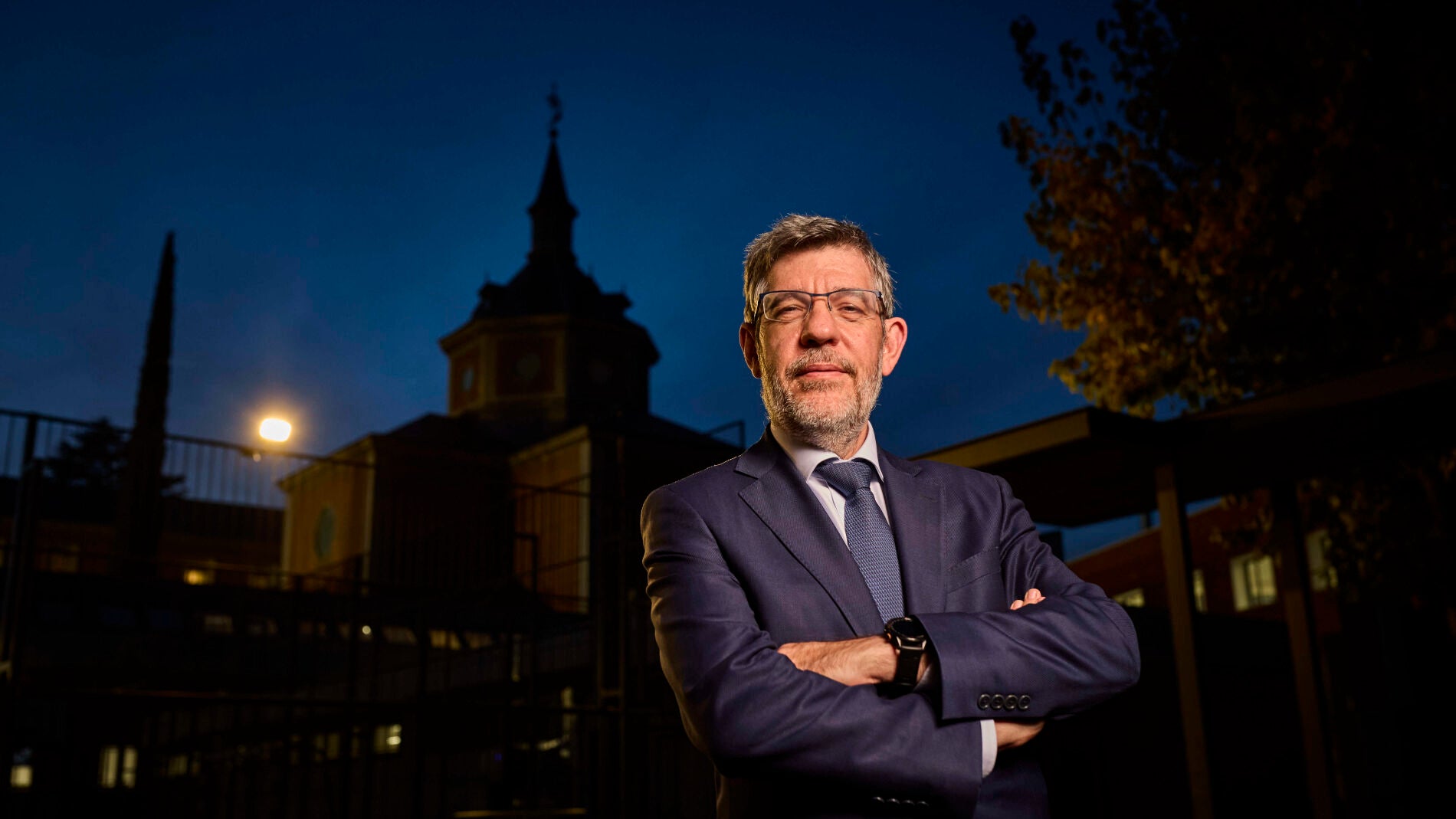
Nadal set out the plan in an interview published four days before Spain's general election on 29 November. He said immigration policy should follow a points-based visa system matching arrivals' skills to labour-market needs, combined with tighter border controls. He argued Spain needs immigration because its birth rate has fallen sharply since the 1970s, but said newcomers should be qualified, work in regulated jobs and share values that make integration easier.
Nadal is a state economist and former head of the Inter-American Development Bank in Washington who was brought in by PP leader Alberto Núñez Feijóo to shape the party's economic programme. He said the party wants to win back the middle class, support the most vulnerable without creating dependency, and rebuild Spain's public finances.
Budget audit and tax relief
Nadal said a PP government's first step would be an independent audit of public accounts and contracts, carried out by people of recognised standing, to establish the true state of state finances before drafting a general budget to present to parliament by the first quarter of 2027. He said Spain has gone four years without a new budget, with the current one extended through what he called a "Frankenstein" of thousands of amendments, and said EU recovery funds have been used to govern without passing budgets.
He said that budget would include tax relief for families, particularly those with children, whom he said have been hit hardest by inflation and tax rises under Prime Minister Pedro Sánchez, alongside measures to speed the construction of a million homes and a package of infrastructure investment.
On income tax, Nadal said personal allowances would be adjusted for inflation this year, starting with deductions tied to family size, which he said have not been updated and have hit larger families hardest. He said government spending should grow more slowly than the economy to leave room for tax cuts through the legislature. He said the current government has raised tax revenue by 200,000 million euros since 2018 and issued more than 500,000 million euros in new debt, while ranking 21st of the European Union's 27 members on public spending efficiency, according to a European Commission report, and 25th of 27 specifically on social spending.
Benefits, minimum wage and pensions
Nadal said welfare payments such as the minimum income scheme and the winter heating subsidy would be merged into a single "activation income" designed to keep recipients eligible for support while they return to work, rather than paid unconditionally. He said the minimum wage should be set using objective criteria reflecting its effect on jobs, businesses and the self-employed, rather than being decided by the government for electoral purposes.
He rejected opposition claims that the PP would privatise pensions, saying the public pension system has only been at risk under Socialist-led governments and that it would remain guaranteed under the PP, with pensions paid on time and updated in line with consumer prices. He said long-term sustainability depends on economic growth and productivity, which he said has been stagnant for eight years.
Housing and the anti-squatting law
On housing, Nadal said Spain built more than 600,000 homes a year in the late 1990s and early 2000s, compared with 130,000 today, and said the priority is to free up land and cut red tape so supply matches the number of families. He said young buyers would get a 60% reduction in mortgage-related taxes, with the remaining 40% paid off over the life of the loan, plus help with deposits and guarantees, while councils would be allowed to spend budget surpluses on land and subsidised housing for low-income families.
He said rental contracts should be rebalanced so landlords can recover a property quickly if it is squatted and are guaranteed to be paid, while tenants keep security over their tenancy. He said a law against squatting, which he said is drafted and ready but has been blocked in Congress by the Socialist Party and the left-wing majority on its governing board, would be reactivated and passed once the new parliament opens.
Energy, rail and Ceuta
Nadal said the state should only hold stakes in companies tied to security, national defence or essential public services such as the electricity grid operator, and said it would scrap the government's timetable for closing nuclear plants while staying neutral on which energy technologies companies choose. He said system costs for securing electricity supply have risen from 600 million euros when the current government took office to roughly 5,800 million euros this year, blaming the replacement of cheap renewable power with gas-fired generation after Spain's blackout, and said grid investment could free up more than 5,200 million euros to lower bills.
On the railways, he said a PP government would audit the entire rail network to find safety weaknesses, prioritise fixing existing lines over new construction, and re-professionalise the operator Adif, restoring Renfe's punctuality compensation payments once safety conditions allow. He also said the party has an immediate tax and regulatory plan to restore Ceuta's economy after what he called the invasion it suffered, saying the rest of Spain must show solidarity while the city recovers.
What happens next
Spain holds a general election on 29 November. Nadal said the PP would negotiate its first budget with other parties as soon as a government is formed if Alberto Núñez Feijóo leads it, with that budget due to reach parliament by the first quarter of 2027.
Test yourself
What immigration system does Nadal propose?
By when does Nadal say a PP government would present a new budget?
Where does Nadal say Spain ranks among EU states on public spending efficiency, per the European Commission?
Have your say
Should public spending grow more slowly than the economy to make room for tax cuts?
Where it happened
Madrid, Spain